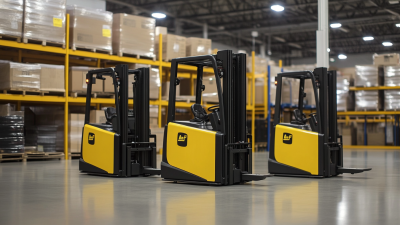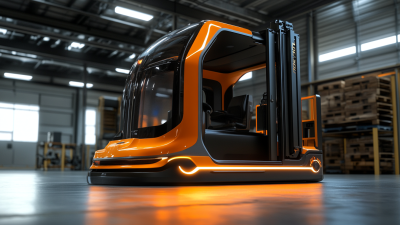

What Is a Battery Powered Forklift?

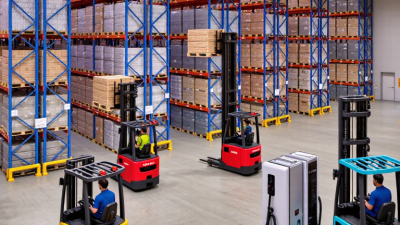
A Battery Powered Forklift uses an electric motor and rechargeable battery to lift, carry, and place materials. Instead of burning fuel onboard, it draws power from a battery pack, commonly lead-acid or lithium-ion. The operator controls travel and lifting through electric systems, while the mast, forks, and rated capacity determine how loads are handled. No tailpipe emissions.

These forklifts are often used in warehouses, distribution centers, and other indoor workplaces. Their quieter operation can make conversations easier to hear, and they do not produce exhaust at the point of use. Still, “electric” does not mean maintenance-free. Battery condition, charging access, shift length, floor conditions, and the truck’s workload all affect day-to-day performance. A cold room or a long shift can change what works well.

Battery choice matters. Lead-acid batteries may need scheduled watering and dedicated charging time; lithium-ion models can offer different charging routines, depending on the equipment and manufacturer’s guidance. Neither option is automatically right for every operation. It is easy to focus on energy savings and overlook practical details, such as whether a facility has suitable charging space or backup equipment. That deserves honest attention.

This guide explains how a Battery Powered Forklift works, where it fits, and what to consider when comparing models. It also covers operating costs, battery care, safety features, and limitations. Specific capacity and charging requirements vary, so consult the manufacturer’s documentation and a qualified equipment provider before making a purchase decision.
What Is a Battery Powered Forklift?

Definition and Core Components of a Battery-Powered Forklift

What Is a Battery Powered Forklift?

Definition and Core Components of a Battery-Powered Forklift

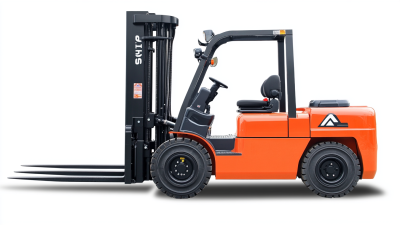
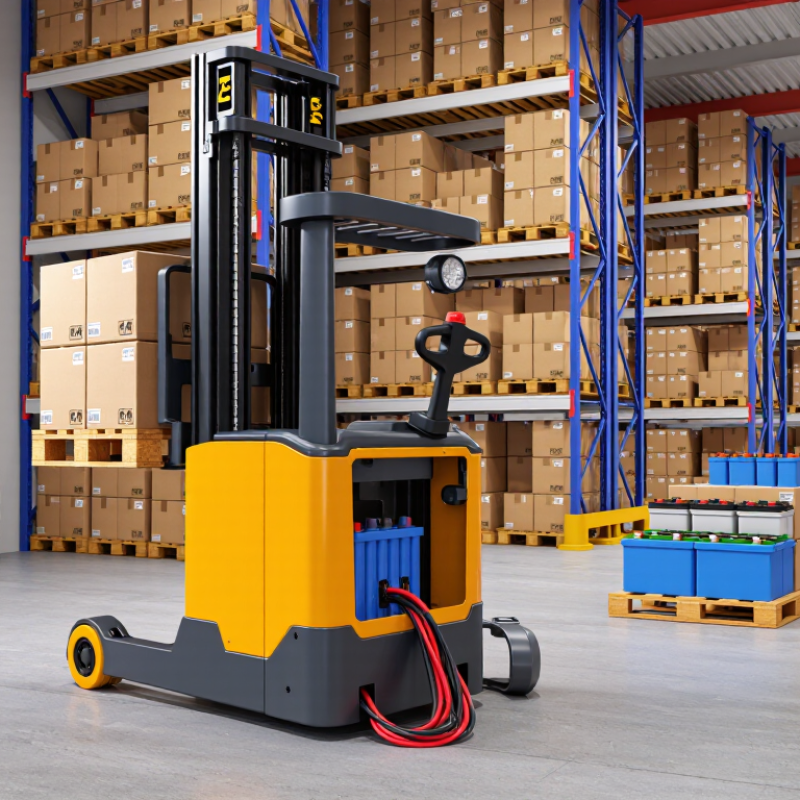
A battery-powered forklift uses stored electrical energy to move, lift, and steer loads. Its battery supplies power to electric motors, while electronic controls regulate speed and torque. Some models use separate motors for driving and lifting; others have different arrangements. The design depends on the forklift’s capacity and intended work.

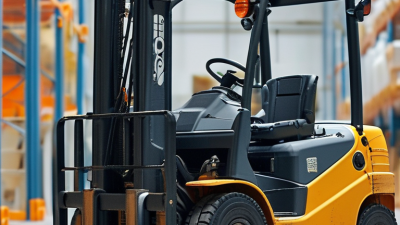
The battery is a central component, often housed beneath the operator’s seat or inside the chassis. A battery management system may monitor temperature, voltage, and charge levels. The drive motor turns the wheels through a transmission or drive axle. For lifting, a hydraulic pump sends fluid to cylinders that raise the mast and forks. The mast guides the load upward. Carefully.

Other key parts include the controller, steering system, brakes, and onboard displays. An external charger replenishes the battery during scheduled breaks or between shifts. In daily operation, an operator may notice reduced lift speed as charge falls, though the exact behavior varies by model and battery condition. A quick visual check can reveal loose connectors, damaged cables, or fluid leaks. Not every issue is obvious. Battery placement, charging time, and maintenance needs differ, so equipment specifications matter more than assumptions based on appearance.

How the Battery and Electric Drive System Work

A battery-powered forklift stores energy in a rechargeable pack, commonly lead-acid or lithium-ion. During travel, the pack supplies direct current to a controller. The controller meters power to an inverter, which drives the traction motor and turns the wheels through a reduction gearbox. Press the accelerator, and torque arrives quickly; ease off, and regenerative braking can return some energy to the battery. No exhaust at the truck. The exact setup varies by model, so operators should check the equipment manual rather than assume every truck behaves alike.

The battery also powers a hydraulic motor for lifting and tilting the mast. A battery management system monitors temperature, voltage, and charge limits; the charger converts incoming AC power into battery-ready DC.

DOE’s Alternative Fuels Data Center reports that electric vehicles can convert over 77% of grid electricity into wheel power, compared with 12%–30% for conventional gasoline vehicles. Those figures describe vehicles broadly, not a forklift-specific test, but they help explain electric-drive efficiency.

Heat still matters. Repeated lifting, cold rooms, and fast charging can change runtime, and a simple shift estimate may miss those conditions. In practice, note battery level before and after demanding tasks; real warehouse duty cycles are rarely neat.

Common Battery Types and Charging Methods

A battery-powered forklift uses stored electrical energy to operate its drive and lifting systems. The battery type affects charging time, maintenance, and daily work planning. Lead-acid batteries are widely used and usually need a dedicated charging area. Their electrolyte levels may require routine checks and, where specified, water replenishment. Keep it clean. Lithium-ion batteries generally accept faster charging and need less routine maintenance, but their charging equipment and battery controls must be compatible.

Charging methods vary with the battery and shift pattern. Conventional charging usually means charging a lead-acid battery after a work shift, then allowing it to cool before use. Opportunity charging adds short charging periods during breaks. This approach is more common with lithium-ion batteries; frequent partial charging can shorten lead-acid battery life. Fast charging may reduce downtime, but it requires equipment approved for that battery and can increase heat.

A practical setup matches the battery to the forklift’s workload, available charging time, and site conditions. Check the battery and charger instructions before choosing a routine. Lead-acid charging areas need suitable ventilation, while all charging connections should be kept dry and inspected for damage. Schedules rarely work perfectly on a busy floor. That is worth planning for: rushed charging or skipped checks can lead to avoidable downtime.

What Is a Battery Powered Forklift? Common Battery Types and Charging Methods

Battery-powered forklifts use rechargeable batteries to power their traction and lifting systems. Lead-acid batteries are commonly charged in a dedicated, uninterrupted cycle and typically need time to cool before use. Lithium-ion batteries can generally charge faster and are often suitable for opportunity charging during breaks. Actual charging time depends on battery capacity, charger output, temperature, and battery condition.

The bars show approximate midpoints of typical full-charge ranges: around 8–10 hours for lead-acid and 1–2 hours for lithium-ion. These are general estimates, not guaranteed charging times.

Key Features and Typical Applications

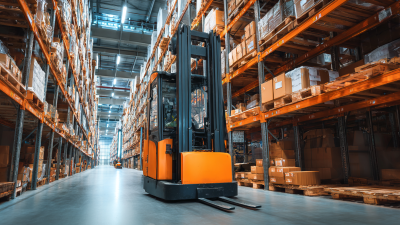
A battery-powered forklift uses an electric motor and rechargeable battery to lift and move palletized loads. Its key features include quiet operation, precise speed control, and no exhaust fumes at the point of use. That matters in warehouses where workers share narrow aisles and indoor air quality is a concern. Some models use lead-acid batteries; others use lithium-ion systems. Charging time, operating hours, and battery replacement needs vary. Check the truck’s rated capacity, lift height, and turning radius against the actual work area. Small details count.

These forklifts are commonly used in warehouses, distribution centers, food facilities, and manufacturing plants. They suit smooth indoor floors and routine pallet handling, such as moving stock from receiving bays to storage racks. Some can work outdoors, but wet surfaces, rough ground, and low temperatures may affect traction or battery performance. A busy shift also needs a charging plan; plugging in at the wrong time can interrupt work. In practice, the best fit is not always the model with the longest advertised runtime. Measure aisle widths, typical load weights, and daily operating hours before choosing. Operators sometimes overlook floor condition, and that can become an expensive lesson.

What Is a Battery Powered Forklift? - Key Features and Typical Applications

Category Key Features Typical Applications
Definition A forklift powered by a rechargeable battery and electric motors rather than an internal-combustion engine. The battery supplies energy for travel and, in most models, hydraulic lifting functions. Material handling in warehouses, distribution centers, factories, and other sites where electric operation is suitable.
Power source Common battery options include lead-acid and lithium-ion. Battery chemistry, voltage, capacity, and charging requirements vary by model and duty cycle. Sites can select a battery system to match shift patterns, charging access, operating intensity, and maintenance capability.
Load capacity Capacity varies widely by forklift type and configuration. Many counterbalance models are designed for loads in the low-tonne range; always check the capacity plate and load chart for the specific truck and attachment. Pallet handling, loading and unloading, and moving materials over short distances, provided the load is within the rated capacity.
Operating emissions Produces no exhaust emissions at the point of use. Electricity generation and battery production can still have environmental impacts. Indoor workplaces and locations where controlling local exhaust emissions is important, subject to appropriate ventilation and safety procedures.
Noise and vibration Typically quieter during operation than comparable engine-powered forklifts, although hydraulic systems, tires, alarms, and the work environment still generate noise. Indoor operations, mixed-use facilities, and workplaces where lower vehicle noise can be beneficial.
Charging and shift planning Operating time between charges depends on battery capacity, workload, travel distance, lifting, attachments, and operating conditions. Charging time varies by battery and charger; follow the equipment manufacturer's instructions. Single- or multi-shift operations with planned charging, battery changes where supported, or opportunity charging where approved for the battery system.
Maintenance considerations Electric drive systems avoid engine-related servicing such as oil and filter changes. Lead-acid batteries generally require battery-specific care; lithium-ion systems have different charging and maintenance requirements. Facilities seeking an electric fleet should plan for battery inspection, charging equipment, trained operators, and maintenance appropriate to the chosen battery type.
Common forklift types Battery-powered options include counterbalance forklifts, reach trucks, pallet trucks, and order pickers. Design and maneuverability differ between types. Counterbalance trucks for general pallet handling; reach trucks for many high-rack warehouse tasks; pallet trucks for moving loads at floor level; order pickers for item picking.
Indoor and outdoor use Many electric forklifts are used indoors. Outdoor suitability depends on the truck's design, tires, ground conditions, weather protection, and operating environment. Indoor warehouses and production areas; selected outdoor tasks on suitable surfaces when the specific truck is rated for those conditions.
Key selection factors Consider rated capacity, lift height, aisle width, load dimensions, duty cycle, floor and ground conditions, battery chemistry, charging access, and any attachments. Matching the truck to the site's loads and layout helps support safe, efficient handling. Operators should be trained and follow applicable workplace rules.

Operation, Maintenance, Safety, and Limitations

A battery-powered forklift uses an electric motor and rechargeable battery to lift and move loads. Before starting, check the tires, forks, warning lights, and battery charge. Look for cracks, leaks, or loose connections. Small details matter. During operation, keep loads low while traveling, turn slowly, and stay within the truck’s rated capacity. A capacity plate is useful only when operators read it and account for load shape and attachment weight.

Maintenance should follow the truck and battery manuals, since inspection and charging needs vary by battery type. Keep charging connectors clean and dry, and report unusual heat, odors, or charging behavior. Record recurring faults rather than relying on memory. That routine can feel tedious, but missed checks often become downtime. Charging areas should be orderly, with cables kept clear of travel paths.

These forklifts are often quieter and produce no exhaust at the point of use, which can suit indoor work. They are not suited to every task. Battery runtime may fall during long shifts, in cold conditions, or under heavy use, and charging takes time. Plan for breaks or a suitable spare battery when schedules are tight. Also remember that quiet equipment can approach unnoticed. Use marked routes, working alarms, and clear communication, especially near pedestrians. No checklist catches everything. Operators still need training and must pause when visibility or conditions are poor.