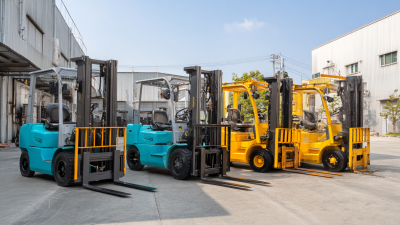
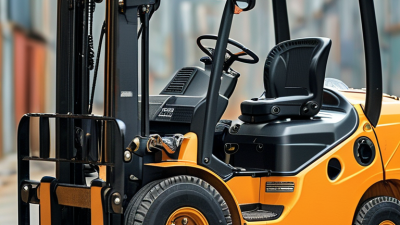
China Top 10 Battery Powered Forklift Suppliers?
China’s top Battery Powered Forklift suppliers deserve comparison beyond brand recognition. Buyers need equipment that fits real shifts, not just polished brochures. A warehouse manager may care about a narrow turning radius between steel racks. A cold-storage operator may focus on battery performance, while a service team may prioritize parts availability and charging procedures.
This guide compares ten suppliers through practical buying criteria: product range, battery options, rated capacity, operator comfort, service coverage, and customization. Those details matter. A truck that handles a demo pallet well may still disappoint when it runs two shifts on a busy concrete floor. Small differences count.
One point needs honest scrutiny: supplier claims do not replace a site trial. Ask for operating data, confirm the battery configuration, and check how quickly local technicians can respond. “A forklift’s value is proven across the shift, not on the showroom floor.” This is an editorial buying principle, not a verified quotation from a named expert; a real expert attribution should be confirmed before publication.
China’s market includes established manufacturers and newer suppliers with different strengths. The right choice depends on workload, budget, facility layout, and support needs. No single ranking suits every buyer. Use the list as a starting point, then test shortlisted models against your actual routes, loads, and charging schedule. That extra check can reveal what a product sheet misses.
Understanding Battery-Powered Forklifts in China
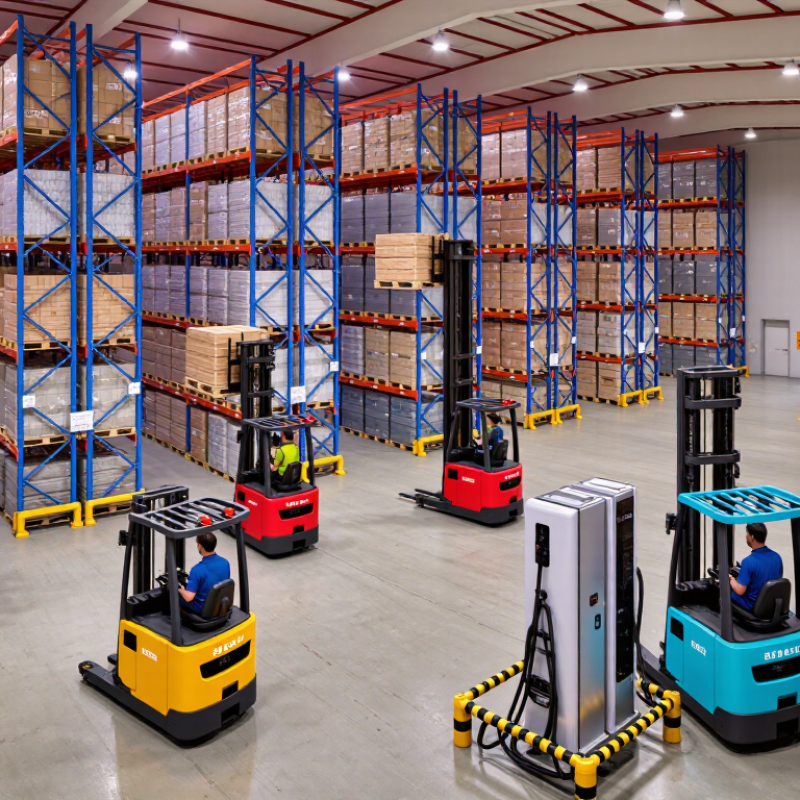
Battery-powered forklifts suit many Chinese warehouses, but the right choice depends on daily travel, load weight, floor conditions, and charging access. Lead-acid batteries often fit predictable shifts with planned charging and battery-change space. Lithium-ion batteries support opportunity charging during breaks, but operators still need suitable chargers and clear charging routines. Cold storage, dusty aisles, and steep ramps can change real-world performance.
The International Energy Agency’s Global EV Outlook 2024 reports that battery pack prices fell 14% in 2023. This is useful market context, not a forklift-specific cost reduction. Forklift buyers should compare the full operating picture: battery capacity, charging time, expected service life, and local maintenance support. A lower purchase price can look attractive, yet missed shifts caused by poor charging plans may cost more. That part is easy to overlook.
Tips: Map one typical shift before comparing models. Record peak loads, travel distance, break times, and charging locations. Ask suppliers to explain how their quoted runtime was measured. Real duty cycles vary. No estimate is perfect.
Key Criteria for Evaluating Chinese Forklift Suppliers
Choosing among Chinese battery-powered forklift suppliers requires matching equipment to the real worksite, not just comparing price lists. Record load weight, lift height, aisle width, daily shifts, floor condition, and ramp gradients. A truck carrying two-tonne pallets across smooth concrete faces different demands from one working in a cold store. Ask for residual-capacity charts at your actual load centre, turning radius, gradeability, battery chemistry, and charger specifications. Then test a loaded unit on your own route. Small details matter.
Compare total operating costs, including battery replacement, charging time, spare parts, and local technician response. BloombergNEF’s 2023 Lithium-Ion Battery Price Survey reported an average battery-pack price of $139 per kilowatt-hour, down 14% year on year. That figure is market context, not a forklift quotation. Request the supplier’s battery and charger warranty terms in writing, and check what exclusions apply. Ask for references from sites with similar shifts and loads. One caveat: advertised runtime may not match your conditions. Verify it during a trial, and record energy use across a normal shift.
Profiles of China’s Top 10 Battery-Powered Forklift Suppliers
China’s battery-powered forklift suppliers differ in product focus, factory scale, and service coverage. These ten profiles describe common supplier strengths, not a verified ranking. Buyers should confirm specifications, references, and support arrangements directly.
One supplier may focus on compact three-wheel trucks for narrow aisles, while another builds heavier four-wheel models for outdoor yards. A third offers lithium-powered fleets with fast-charging options. Battery details matter. Check rated capacity, charging time, and expected operating hours against real shift patterns. Some manufacturers specialize in traditional lead-acid configurations, which may suit sites with established charging rooms. Others provide customized forks, masts, or cabin options. Measure doorways and rack clearance before choosing.
Export-oriented suppliers may provide multilingual manuals and shipping support, but response times can vary. Ask for spare-part lists and service procedures. One company might emphasize economical standard models; another may offer a broader range of load capacities. A further supplier could focus on warehouse equipment, while another serves industrial facilities with rougher floors. Some suppliers assemble customized orders, though lead times can lengthen. Not every claim is easy to verify. Request test records, warranty terms, and a live product demonstration before comparing quotations.
China’s Battery-Powered Forklift Suppliers: Common Rated-Capacity Classes
Representative rated load capacities commonly offered in electric forklift product ranges. These are product classes, not sales figures or rankings of individual suppliers.
Battery-powered forklifts are available across a broad range of lifting capacities, from compact 1-tonne models to heavier 5-tonne units. Actual capacity depends on the specific model and its rated load centre.
Comparing Supplier Products, Capabilities, and Support
Choosing among China’s battery-powered forklift suppliers is less about brochure claims and more about matching equipment to daily work. Compare rated capacity, lift height, turning radius, and battery options against your actual aisles and loads. A compact three-wheel truck may suit narrow warehouse lanes, while heavier applications need stable handling on uneven floors. Details matter.
Battery chemistry affects charging routines, maintenance, and replacement planning. Ask suppliers for clear battery specifications, charging times, and expected performance across a full shift. Request a demonstration with a representative load, not an empty truck on a showroom floor. That test may reveal slower lifting or awkward visibility. Brochures rarely show everything.
Supplier capability also includes engineering support, spare-parts availability, and technician training. Check how quickly common parts can be shipped and whether service staff can troubleshoot electrical faults remotely. Ask for references from operations with similar duty cycles. A polished support promise means little without response-time details. Still, response times can vary by location, and written guarantees may not describe every situation. I would verify these points before comparing prices alone. A low purchase cost can become expensive if charging, maintenance, or downtime needs were misjudged.
Choosing a Supplier for Your Operational Needs
Choosing a battery-powered forklift supplier starts with the work, not the brochure. Map each shift’s lifting height, load weight, travel distance, and idle time. A truck moving pallets across a cool warehouse faces different demands from one working outdoors on uneven ground. Be specific. Ask suppliers to size the battery and charger for your actual duty cycle, not an idealized one.
Request a site assessment and a written specification covering rated capacity, battery type, charging time, and expected runtime. Check whether the stated capacity changes at your required lift height. Ask how performance is affected by cold temperatures and frequent short trips. If possible, test a comparable truck during a normal shift. A short demonstration can miss a weak turning radius or awkward control layout. Small details count.
Service support deserves equal attention. Confirm technician availability, parts lead times, warranty coverage, and what happens if a truck stops mid-shift. Compare the full operating cost, including charging equipment, battery replacement, and scheduled maintenance. A lower purchase price may not stay lower. I would not treat supplier forecasts as guarantees; real workloads vary, and estimates can be wrong. Share your busiest shift patterns, then ask for assumptions in writing.