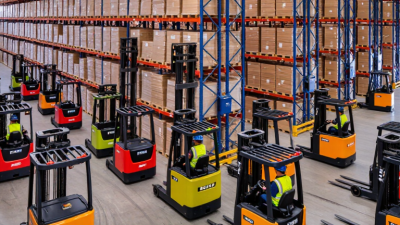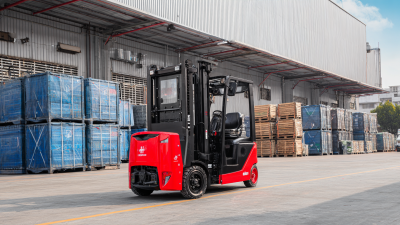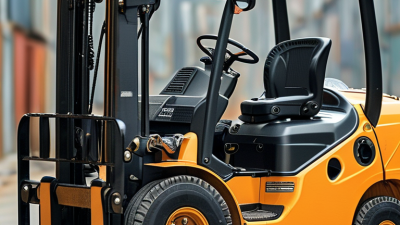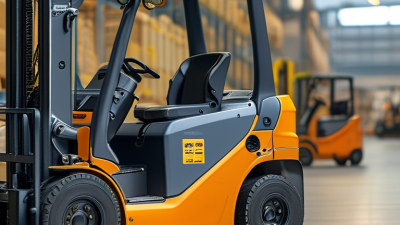

2026 Best Aisle Forklift Types for Global Buyers

Aisle Forklift selection begins with the warehouse floor, not the brochure. Buyers should compare aisle width, rack height, pallet dimensions, turning space, and daily travel distance. A reach truck may suit tall racking and narrow lanes; a counterbalance model may offer more flexibility where aisles are wider. Some sites need a compact turret truck. Others do not. The details matter.

In 2026, global buyers also need to consider operator visibility, battery and charging arrangements, service access, and parts availability in the destination market. A truck that fits a drawing may still struggle around floor joints, dock plates, or uneven loads. Measure the tightest turn. Check the actual load.

As warehouse equipment specialist [Expert Name] puts it, “[Insert a verified quotation from a named expert and its source].” This quotation needs a reliable source before publication; inventing one would weaken buyer confidence. The guide ahead compares common Aisle Forklift types by operating conditions, practical trade-offs, and questions worth asking suppliers. No single model wins every site. And a neat specification sheet cannot replace a real aisle test.
2026 Best Aisle Forklift Types for Global Buyers

What Aisle Forklifts Are and How They Work

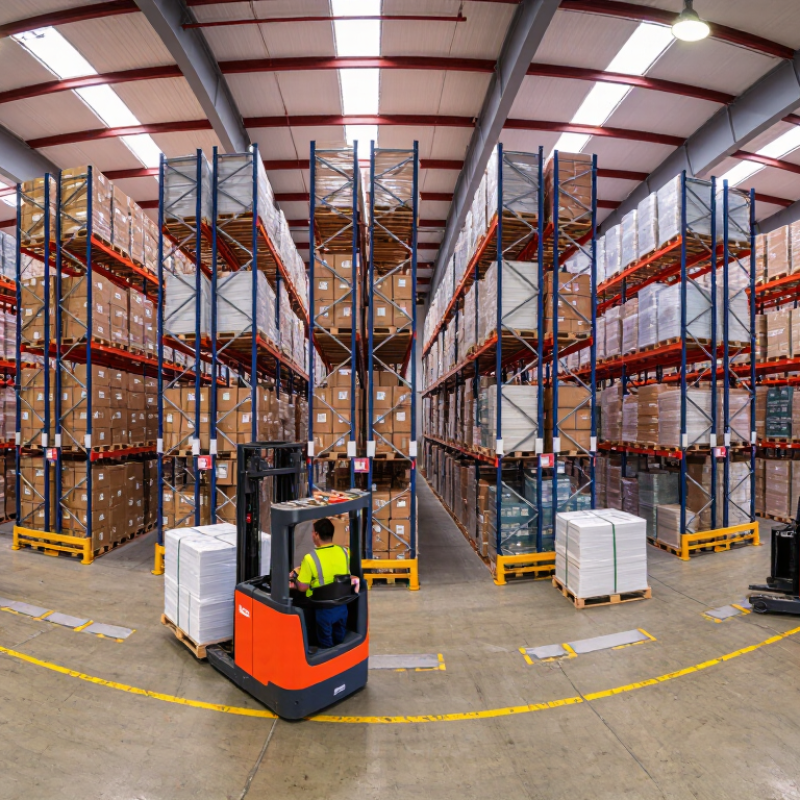
Aisle forklifts are warehouse trucks designed to move palletized loads through relatively narrow storage lanes. Compared with standard counterbalance forklifts, many models need less turning space or use a reach mechanism to place loads on tall racks. Their exact layout varies: some lift the mast, while others move the forks or rotate the load-handling assembly. Space is tight.

In operation, the driver approaches a pallet, aligns the forks with its openings, and slides them underneath. The forks lift the load just clear of the floor. The truck then travels slowly to the rack, keeping the load low, before raising and placing it at the required level. Alignment matters. At height, the operator must account for the load’s weight, dimensions, and center of gravity; rated capacity can decrease as lift height or reach increases.

Aisle width is not just the truck’s turning radius. Pallet size, rack position, floor condition, and clearance all affect whether a truck can work safely in a lane. Some aisle trucks use guidance systems, but guidance does not replace careful operation or a clear route. A tidy aisle plan can still fail when pallets overhang. That detail is easy to miss. Before choosing a type, buyers should compare actual load dimensions and rack heights with the truck’s operating specifications, rather than relying on a headline capacity alone.

The Main Types of Aisle Forklifts Available in 2026

Aisle forklift choice in 2026 depends on more than aisle width. Reach trucks suit pallet storage at height, using extending forks to place loads into racks. They work well in distribution buildings with smooth floors and consistent pallet positions. Measure the narrowest operating aisle, not just the gap shown on a warehouse plan. A few centimeters can affect turning clearance.

For tighter layouts, very-narrow-aisle trucks include turret and swing-reach designs. Their forks rotate or move sideways, allowing pallets to be handled without turning the whole truck. They can increase storage density, but often require carefully maintained floor conditions and guided travel. Order pickers serve a different task: operators rise with the platform to pick individual cartons. They are useful for piece-picking, not routine pallet putaway. Fit matters more.

Articulated forklifts can travel between wider receiving areas and narrower storage aisles, reducing the need for separate trucks. However, their turning path and load capacity vary by model. Compare rated capacity at the actual lift height, since capacity may decrease as the mast rises. Check pallet dimensions, rack beam levels, floor joints, and operator sightlines during a site trial. Measure twice. A layout that looks efficient on paper may feel cramped with a real load.

How Aisle Width and Load Needs Shape Forklift Choice

2026 Best Aisle Forklift Types for Global Buyers

Aisle width is more than the gap between two rack rows. Measure the narrowest working point, including guardrails, columns, and stored loads that overhang pallets. Measure twice. Pallet length and turning space can change which truck fits safely. A counterbalance forklift may suit wider aisles, while reach trucks and narrow-aisle models can work in tighter layouts. Check the manufacturer’s turning and aisle-clearance specifications against your actual pallet dimensions.

Load needs matter just as much. Record the heaviest expected load, its dimensions, and the load center, then check required lift height. Rated capacity can decrease as lift height or load center increases. Confirm capacity using the truck’s data plate and the exact attachment configuration. Small details matter. A compact truck is not automatically suitable if it cannot lift the load to the upper rack level.

Floor condition, operator visibility, and daily travel distance also shape the choice. A common planning miss is measuring an empty aisle but ignoring pallet overhang during turns. Test the proposed truck with representative loads in the tightest aisle, if practical. There is no tidy formula that replaces this check; even careful plans can miss a column or a rough floor joint. Choose a truck that meets the real duty, not just the best-case measurement.

Comparing Forklift Types by Performance and Operating Costs

Choosing an aisle forklift in 2026 means matching its performance to the warehouse, not chasing the highest lift rating. Counterbalance trucks handle varied loads and dock work, but need wider turning space. Reach trucks operate in narrower aisles and lift efficiently to high racks. Their cost makes more sense when floor space and storage density matter.

For very narrow aisles, turret trucks can reduce wasted space and keep pallets accessible at height. They typically require compatible racking, careful floor conditions, and operator training. Order pickers serve a different job: workers retrieve individual items from elevated locations. They can improve picking speed, but are less suitable for moving full pallets. There is no universal winner.

Operating costs extend beyond the purchase price. Compare battery capacity, charging time, tire wear, service access, and expected daily hours. A truck that uses less energy may still cost more if it slows picking or needs specialized maintenance. Check actual aisle widths and pallet dimensions before requesting quotes. Then estimate throughput using a representative shift, not a perfect day. That detail matters. I would also leave room for imperfect assumptions: load mix and staffing can change, and a spreadsheet will not capture every delay. Ask suppliers for comparable operating data, and verify what routine service includes.

How Global Buyers Can Select the Right Aisle Forklift

Choose an aisle forklift by measuring the narrowest working aisle, not the warehouse average. Record pallet dimensions, load weight, load center, lift height, floor condition, and turning space. Counterbalance trucks suit open aisles and frequent loading. Reach trucks support denser racking, while very-narrow-aisle models require compatible floors and careful operating procedures. Published aisle-width figures can vary with pallet orientation and load size.

OSHA’s Powered Industrial Trucks eTool reports that overturns account for about 25% of forklift-related deaths in the United States. Stability, visibility, and pedestrian routes deserve attention alongside rated capacity. Compare battery runtime, charging access, local maintenance, and operator training across each destination market. A truck that performs well on a smooth floor may struggle over rough joints. No spreadsheet catches every awkward corner.

Tips: Arrange a loaded-truck demonstration in your tightest aisle. Bring your actual pallets and heaviest routine load. Check turning clearance, visibility, and stacking height, then confirm the quoted aisle width matches your layout. Leave a little room for real-world mistakes.

2026 Best Aisle Forklift Types for Global Buyers

How Global Buyers Can Select the Right Aisle Forklift

Typical planning ranges for aisle width vary by truck design, load size, pallet orientation, and operating conditions. Confirm the required working aisle with the supplier using your actual load and warehouse layout before selecting equipment.