Why Choose a Scrap Forklift for Global Material Handling?
Global material handling is changing. Scrap yards now face heavier loads, tighter schedules, and harsher working conditions. In this environment, choosing the right machine affects safety, productivity, and long-term operating costs.
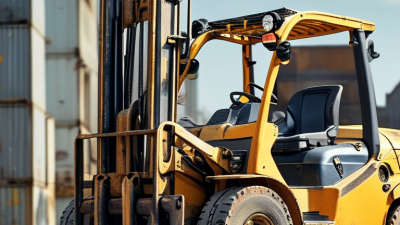
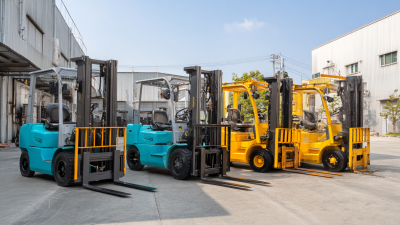
A Scrap Forklift is built for demanding work. Its reinforced carriage can handle irregular bundles, steel offcuts, and dense recycled materials. Larger tires help it cross uneven concrete, wet loading areas, and compacted yard surfaces. Strong cooling systems also matter when operators work continuously beside furnaces, trucks, or outdoor stockpiles. Material-handling consultant David Chen explains, “A forklift for scrap must survive the material, not merely lift it.” That principle sounds simple. It is easy to ignore.
The best choice depends on more than rated capacity. Buyers should examine load shape, center of gravity, attachment design, visibility, service access, and operator training. A 10-ton rating does not guarantee safe performance with shifting metal bundles. Real experience matters here. Operators notice vibration, blind spots, tire damage, and awkward controls before a specification sheet does.
A reliable Scrap Forklift can reduce handling delays and protect valuable material. Yet no machine removes every risk. Poor stacking, rushed driving, and neglected maintenance can defeat strong equipment. Global buyers should compare local service support, spare-parts availability, energy use, and site conditions before purchasing. The decision may not be perfect. It should be carefully tested, honestly reviewed, and improved through daily operating feedback.
What Is a Scrap Forklift and How Does It Work?
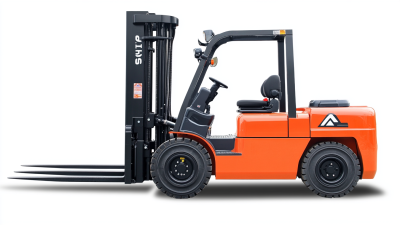
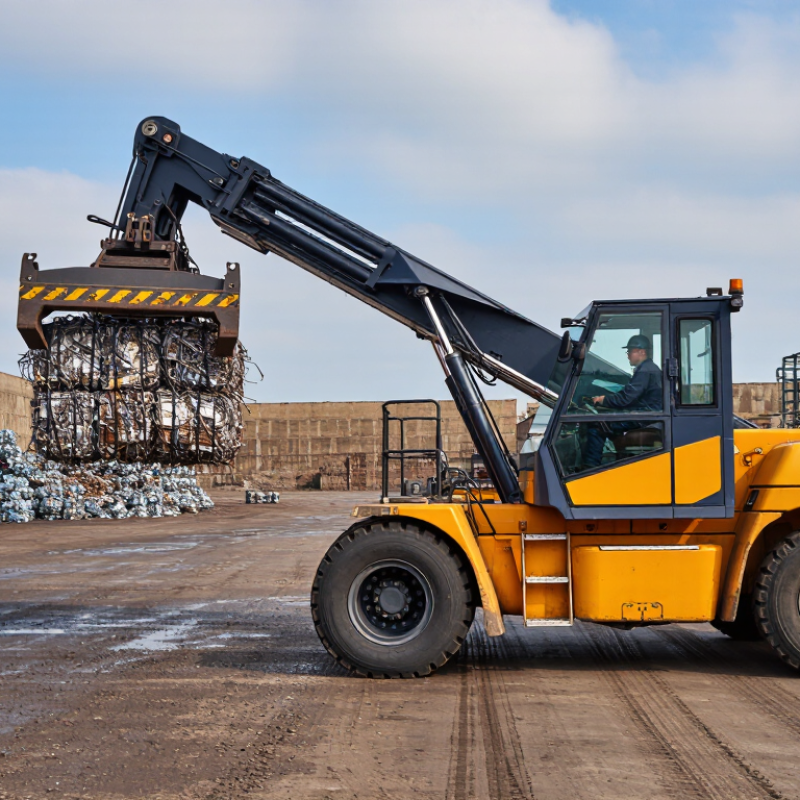
A scrap forklift is a heavy-duty powered industrial truck designed for irregular, dense, and often sharp materials. Unlike a standard warehouse forklift, it may use reinforced forks, a protective overhead guard, solid tires, and shielding around vulnerable hydraulic parts. These features help it handle steel offcuts, crushed vehicles, metal bundles, and recycling containers.
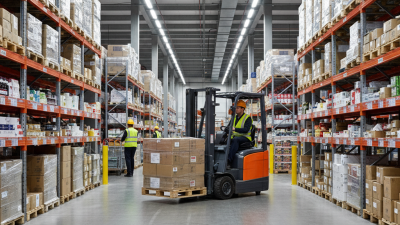
Its working process is straightforward but demanding. The operator positions the forks beneath a stable load, checks the center of gravity, lifts slowly, and travels with the load low. In a scrapyard, uneven ground and hidden voids can change stability within seconds. OSHA estimates that powered industrial trucks cause about 85 fatal accidents and 34,900 serious injuries annually in the United States. That figure makes training, inspection, and load control essential, not optional.
Scrap handling also supports wider resource efficiency. The International Aluminium Institute reports that recycled aluminium can use up to 95% less energy than primary production. A reliable forklift helps keep this material moving between sorting, processing, and storage areas. However, the machine is not a complete solution. Wet surfaces, tangled scrap, and overloaded containers still create serious hazards. Operators need site-specific training and daily checks. Small mistakes matter. The best specification depends on material density, aisle width, ground conditions, and expected lifting cycles. Choosing only by rated capacity is a common, costly oversight.
Key Features for Handling Scrap and Recyclable Materials
Why Choose a Scrap Forklift for Global Material Handling?
Scrap and recyclable materials create harsher demands than standard warehouse loads. The Global E-waste Monitor 2024 reports 62 million tonnes of electronic waste in 2022. That volume may reach 82 million tonnes by 2030. A scrap forklift must therefore manage irregular shapes, sharp edges, dust, moisture, and unstable loads.
Protection matters. Solid or resilient tires reduce puncture risks around metal fragments and broken pallets. An enclosed operator compartment helps limit exposure to dust and flying debris. Reinforced overhead guards, protected hydraulic lines, and corrosion-resistant components support longer service in demanding yards. High ground clearance also helps when surfaces become uneven. However, protection cannot replace inspection.
Capacity must match real working conditions. Scrap bales often shift during lifting, so a reliable load chart is essential. Wide forks, clamps, or rotating attachments can improve control, but each tool changes the truck’s balance. Operators need clear forward visibility and practical access to controls. Small design details matter, especially during repeated loading cycles.
The World Bank’s What a Waste 2.0 report estimated 2.01 billion tonnes of municipal solid waste in 2016, with global volumes projected to reach 3.40 billion tonnes by 2050. This growing flow increases pressure on recycling yards and transfer sites. Still, no forklift suits every material stream. I have seen specifications look impressive on paper, yet perform poorly on wet, mixed scrap. Field trials, maintenance records, and operator feedback should guide the final choice.
Why Scrap Forklifts Suit Global Material Handling Needs
Scrap forklifts suit global material handling because they are built for difficult, changing loads. In recycling yards, operators may move steel offcuts, bundled wire, castings, or irregular bins within one shift. Reinforced frames and protective guards help withstand sharp edges, impact, and abrasive dust. This design can reduce interruptions on uneven surfaces or during poorly balanced lifts. It also supports safer routines across ports, fabrication plants, and recovery facilities. Real work is rarely tidy.
Their value also comes from adaptability. Different regions use varied pallet sizes, container systems, floor conditions, and operating practices. A suitable scrap forklift may include solid tires, corrosion-resistant parts, adjustable forks, or task-specific attachments. Capacity should reflect the actual load center, not only the listed weight. That detail is often missed. Operators must also follow local safety requirements and site procedures.
Good inspections matter as much as machine strength. Teams should check fork wear, hydraulic leaks, visibility, alarms, and power systems before each shift. Maintenance records improve traceability across international sites. Fuel choice, charging access, ventilation, and climate can change the practical decision. Dusty outdoor yards require different controls from enclosed warehouses. No configuration is perfect. An oversized forklift may waste space in narrow aisles, while an undersized model may create unstable lifting conditions. Training should address load stability, pedestrian separation, attachment limits, and changing yard conditions.
How to Choose the Right Scrap Forklift for Your Operation
Why Choose a Scrap Forklift for Global Material Handling?
Choosing the right scrap forklift starts with the material, not the advertised lifting capacity. Scrap loads are uneven, sharp, wet, and often unstable. Measure the heaviest real load, then check the forklift’s residual capacity with the selected mast and attachment. A 5-ton rating may drop sharply at full lift height. That detail is easy to miss.
In a yard assessment, I would inspect travel lanes, floor strength, loading height, and turning space. Solid tires suit puncture-prone surfaces, while pneumatic tires can improve movement across uneven ground. Choose a guarded operator compartment and strong visibility around raised loads. According to the U.S. Occupational Safety and Health Administration, forklifts cause about 85 workplace fatalities and 34,900 serious injuries annually. Selection must therefore include stability, visibility, braking, and operator training.
Power choice also depends on the site. Electric models can reduce indoor emissions, but charging space and battery handling require planning. Internal-combustion units may suit outdoor yards, though exhaust, noise, and maintenance need control. OSHA’s Powered Industrial Trucks standard requires operator training and performance evaluation at least every three years. Service access matters too. If technicians cannot reach filters, brakes, or hydraulic points quickly, downtime grows. I would request maintenance records and test the forklift under typical scrap conditions before purchase. A short demonstration can reveal more than a polished specification sheet. Mistakes still happen. Recheck capacity after adding magnets, clamps, or other attachments.