

How to Get Forklift Training in 2026?
In 2026, Fork Lift Training is not just a certificate or a quick walk around a truck. It is preparation for real decisions: checking a load, turning through a narrow aisle, and stopping on a wet floor. The U.S. Occupational Safety and Health Administration (OSHA) estimates that proper training could prevent about 70% of forklift accidents. OSHA also cites roughly 85 forklift-related deaths and 34,900 serious injuries each year. These figures make the stakes clear, though they cannot predict what will happen at any one workplace.
A useful principle comes from Dr. David Michaels, former Assistant Secretary of Labor for OSHA: “Every worker has a right to a safe workplace.” Good training turns that principle into practical habits. Operators need instruction on the specific truck they will use, supervised practice, and an evaluation of their ability. OSHA’s powered industrial truck standard, 29 CFR 1910.178(l), sets out those training and evaluation requirements for U.S. workplaces. Requirements may differ elsewhere, so learners should check the rules that apply locally.
This guide explains how to find a reputable course, what training usually involves, and how to prepare for hands-on assessment. Look for clear lessons, qualified instruction, and practice that reflects your actual worksite—not only a classroom slide deck. Training can become a box to tick; that is a real weakness. A certificate matters, but safe choices matter more.
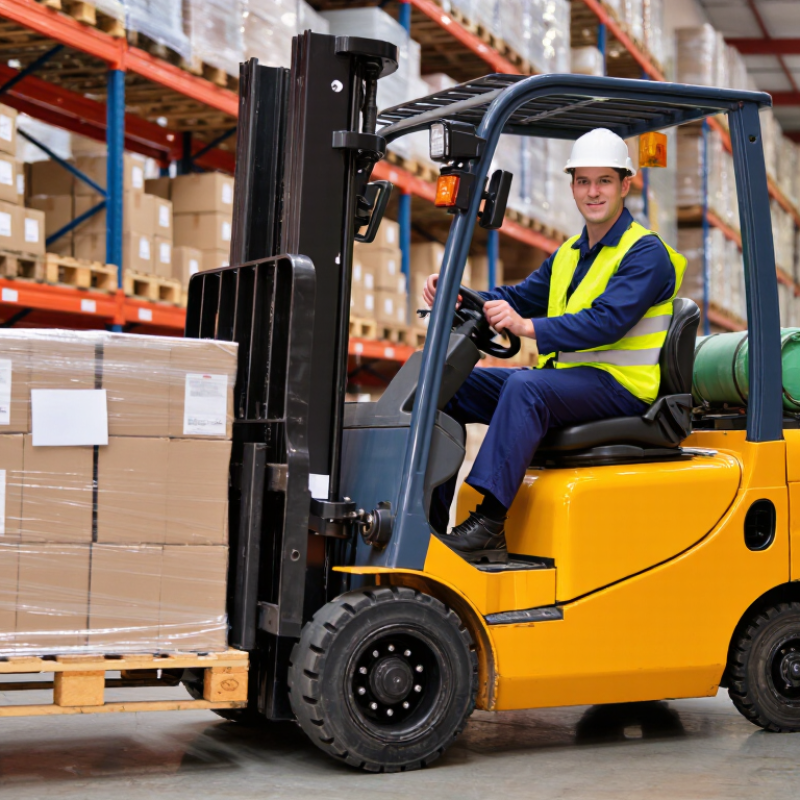
Understand Forklift Operator Training Requirements in 2026
How to Get Forklift Training in 2026?
Understand Forklift Operator Training Requirements in 2026
In the United States, forklift training requirements are set by OSHA’s powered industrial truck standard, 29 CFR 1910.178(l). Employers must provide formal instruction, practical training, and an evaluation of each operator’s performance. A classroom certificate alone is not enough. Training should match the truck and workplace: a narrow aisle, a loading dock, and an outdoor yard create different hazards. Expect hands-on practice with controls, load handling, visibility, and pedestrian awareness.
OSHA reports that forklift incidents cause about 85 deaths and 34,900 serious injuries each year. Those figures make site-specific practice more than a paperwork exercise. It matters. Employers must certify that operators have been trained and evaluated; they must also provide refresher training after certain incidents, unsafe operation, or changes in equipment or conditions. Operator performance must be evaluated at least once every three years. Rules can differ outside the United States, so check the relevant local authority. A rushed lesson may cover the controls but miss the awkward turn near a blind corner. That is worth noticing. During training, ask for practice with the actual truck, typical loads, and routes you will use.
Choose a Qualified Training Provider and Course
How to Get Forklift Training in 2026?
Choose a Qualified Training Provider and Course
Choosing a forklift training provider takes more than comparing prices. Ask who teaches the course and how much hands-on experience they have with the equipment. A qualified instructor should explain safe operating practices clearly and make time for questions. That matters.
Check that the course matches the forklift you will use, such as a counterbalance or reach truck. Ask to see the lesson outline, practical assessment details, and a sample training record. Confirm that the provider follows current requirements in your area. A neat certificate alone is not enough. I would look for clear evidence of both instruction and practical evaluation.
The training should include real practice, not only slides and a quick walk-around. Look for time to inspect forks, tires, controls, and warning devices before driving. Trainees should practise turning, lifting, and placing loads in a controlled space. Ask whether the course covers hazards at your workplace, including narrow aisles, blind corners, or uneven floors. A course that feels rushed may leave important questions unanswered. It is worth asking how the instructor adapts practice for different experience levels.
How to Get Forklift Training in 2026: Choose a Qualified Provider and Course
OSHA’s powered industrial truck standard identifies three required parts of operator training.
Each bar represents one required training element, not a number of hours or a ranking. OSHA does not set one universal course duration. Choose a provider whose course covers all three elements and is relevant to the truck and workplace where you will operate. Employers must evaluate operator performance and certify completed training and evaluation. See OSHA standard 29 CFR 1910.178.
Complete Classroom Instruction and Hands-On Practice
How to Get Forklift Training in 2026?
Complete Classroom Instruction and Hands-On Practice
Good forklift training combines clear instruction with supervised driving practice. In the United States, OSHA’s powered industrial truck standard, 29 CFR 1910.178, requires formal instruction, practical training, and an evaluation of each operator’s performance. Reading slides alone is not enough. Operators need to learn how load weight, raised forks, tight turns, and uneven floors affect stability. OSHA has cited estimates of about 85 forklift-related deaths and 34,900 serious injuries each year. Those figures make careful practice more than a box to check.
A quality course should include demonstrations, discussion, and time on the type of truck used at work. Practice should cover pre-use inspections, starting and stopping, turning, stacking, and handling loads with limited visibility. Trainees should work in a controlled area before moving into active work zones. A trainer can observe small habits, such as looking behind before reversing or keeping forks low while traveling. These details are easy to miss in a classroom. They matter on a busy warehouse floor.
Tips: Ask who will evaluate your skills and whether the practice equipment matches your job. Bring questions about your actual work area. A checklist helps, but it cannot replace sound judgment. OSHA also requires refresher training when unsafe operation, an incident, or changed workplace conditions show it is needed; operators must be evaluated at least once every three years.
How to Get Forklift Training in 2026? - Complete Classroom Instruction and Hands-On Practice
| Stage | Training component | Key topics and activities | Completion evidence |
|---|---|---|---|
| 1. Identify the truck and workplace | Employer-led training plan | Match instruction to the powered industrial truck type and the conditions where it will be used, such as aisles, ramps, loading areas, pedestrian routes, and typical loads. | Training plan identifies the applicable truck type and workplace-specific hazards. |
| 2. Complete formal instruction | Classroom, discussion, video, or other suitable instruction | Cover truck controls and instruments, steering and maneuvering, visibility, capacity and stability, load handling, inspections, refueling or battery charging, operating rules, and relevant workplace conditions. | Learner completes instruction and can explain the main safety rules. OSHA does not set one universal course length. |
| 3. Practice under supervision | Hands-on training with the relevant truck type | Practice pre-use checks, starting and stopping, steering, traveling, turning, positioning forks, picking up and placing loads, parking, and other tasks required for the job. | Trainer observes practice and provides feedback before the operator works independently. |
| 4. Learn site-specific procedures | Workplace instruction | Review site traffic patterns, speed limits, pedestrian interaction, dock and trailer procedures, floor conditions, restricted areas, and any attachments or unusual loads used at the workplace. | Operator can describe and follow the procedures relevant to the assigned work area. |
| 5. Complete an operator evaluation | Practical performance evaluation | A qualified evaluator assesses safe operation of the truck type in the workplace conditions the operator will encounter. Provide additional instruction and reevaluate if needed. | Employer documents the operator’s name, training date, evaluation date, and the identity of the person who provided the training or evaluation. |
| 6. Maintain and refresh skills | Refresher training and periodic evaluation | Provide refresher training when unsafe operation is observed, an accident or near miss occurs, workplace conditions change, or the operator is assigned a different truck type. Evaluate each operator’s performance at least once every three years. | Training and evaluation records are updated, including the reason for refresher training where applicable. |
Important: This overview reflects general U.S. OSHA powered industrial truck requirements under 29 CFR 1910.178(l). Employers are responsible for ensuring operators are trained and evaluated for the truck type and workplace conditions. Check applicable state-plan and local requirements.
Pass the Written Test and Practical Skills Evaluation
Forklift training in 2026 should prepare you for two different challenges: a written knowledge test and a hands-on skills evaluation. OSHA’s powered industrial truck guidance cites estimates of about 85 forklift-related fatalities and 34,900 serious injuries annually. These figures are older estimates, not a current-year count, but they show why careful training matters. The written test commonly checks load capacity, stability, safe travel, and pedestrian awareness. Test formats vary, so study your course materials rather than relying on memorized answers alone.
The practical evaluation puts those ideas into motion. Expect to inspect the truck, adjust controls, move a load, turn, and place it safely. An evaluator may watch how you approach a blind corner or respond to people nearby. Keep forks low while traveling, make smooth turns, and never lift a load beyond the truck’s rated capacity. Small errors count. A correct answer on paper does not always translate into steady control behind the wheel. That gap is worth noticing.
Tips: Before the test, practise a walk-around inspection and name each defect you would report. Review load charts and the truck’s controls. Ask what the evaluation includes; equipment and workplace procedures differ. Take your time. Confidence helps, but it can also hide a rushed habit.
Receive Your Certification and Keep Your Skills Current
How to Get Forklift Training in 2026?
Receive Your Certification and Keep Your Skills Current
A forklift certificate is useful, but safe operation comes from practice. Choose training that combines clear instruction with supervised, hands-on driving. You should learn how to inspect the truck, read load-capacity information, and move pallets without blocking your view. A good instructor will watch you operate, then explain what needs work. Practice matters.
Training and evaluation requirements can vary by location, employer, and equipment type. Confirm that your course meets the standards that apply to your workplace. Keep your completion records, and ask when refresher training is expected. A certificate alone may not cover a new truck, attachment, or unfamiliar work area. Skills can fade.
Keep them sharp with regular checks before each shift. Look for damaged forks, leaking fluid, worn tires, and warning lights, then report concerns before operating. Take extra care around blind corners, ramps, pedestrians, and uneven floors. If a near miss or change in equipment leaves you uncertain, pause and request guidance. I have seen confident operators skip small checks when work gets busy; that is exactly when a steady routine helps. Your training should support good judgment, not replace it.
Related Posts
-
The Future of Fork Lift Training: Innovations Shaping Safer Workplaces Worldwide
-
Elevate Your Skills with the Premier Forklift Training Program from Quality Focused Chinese Manufacturers
-
What is Fork Lift Training and Why is It Important?
-
How to Choose the Right Battery Powered Forklift for Your Business Needs
-
Advantages of Choosing Battery Powered Forklifts in Modern Warehousing
-

What is the Ultimate Guide to Best Scissor Rental for Global Buyers
