What is Wireline Logging Cable and How is it Used?
Wireline Logging Cable plays a crucial role in the oil and gas industry. This specialized cable is used for various downhole operations. It allows for real-time data transmission during logging activities. The cable connects sensors and instruments to the surface while drilling.
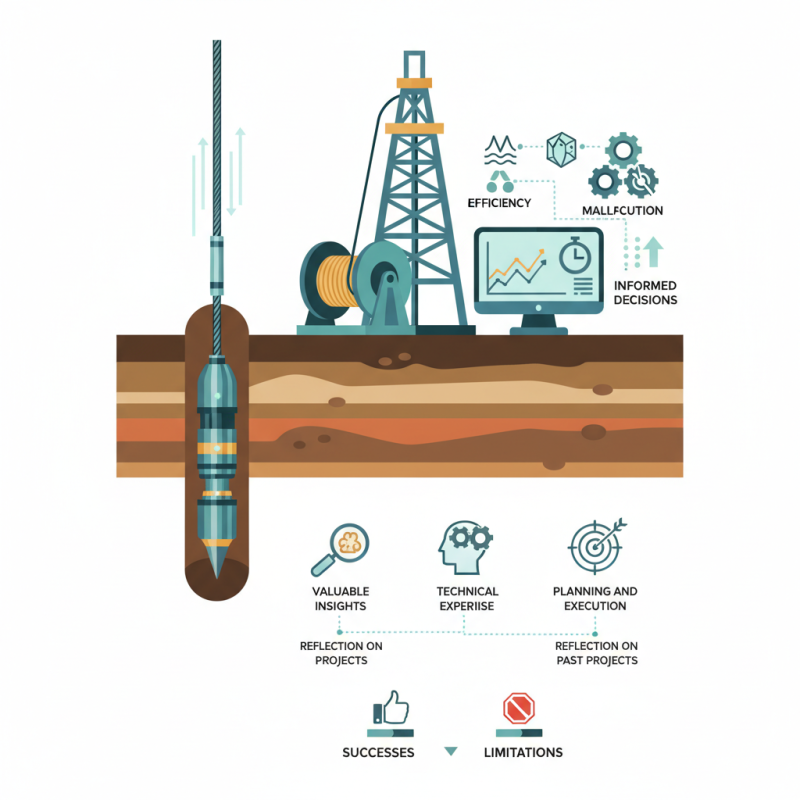
Wireline logging provides valuable insights into underground formations. It enables engineers to assess the properties of the rock and fluids. With the data obtained, companies can make informed decisions. The efficiency of Wireline Logging Cable can impact the success of exploration projects. Reliability is essential, as any malfunction can lead to costly delays.
Understanding how Wireline Logging Cable works is vital for industry professionals. It involves technical expertise and experience. Each logging operation presents unique challenges. Reflection on past projects enhances future outcomes. The effectiveness of wireline logging depends on meticulous planning and execution. In this context, recognizing potential limitations is just as important as celebrating successes.
Definition and Overview of Wireline Logging Cable
Wireline logging cable is essential in the oil and gas industry. It provides a means to gather geological information during drilling operations. This cable connects various sensors and instruments to the surface. It delivers real-time data about the subsurface environment, helping engineers make informed decisions.
The cable comprises multiple conductors. These conductors are insulated to resist high temperatures and pressures in deep wells. It is essential that cables are durable, flexible, and easy to deploy. Some cables can withstand harsh environmental conditions. They may face challenges like wear over time or damage during deployment. This could compromise data accuracy, illustrating the need for quality checks.
Wireline logging techniques are crucial for resource evaluation. They help determine the presence of oil, gas, or minerals. Engineers rely on this data to plan drilling strategies effectively. However, the complexity of cable management can lead to operational delays. Proper handling and maintenance are necessary to avoid issues. Regular inspection can enhance the reliability of wireline logging systems.
What is Wireline Logging Cable and How is it Used? - Definition and Overview of Wireline Logging Cable
| Property | Description |
| Material | High-strength steel or fiber optics |
| Diameter | Typically ranges from 0.080 to 0.250 inches |
| Weight | Varies based on material; can be up to 25 lbs per 1000 ft |
| Operating Temperature | Can operate in temperatures up to 150°C |
| Applications | Used in oil and gas exploration, geology, and mining |
| Installation | Requires specialized equipment for deployment and retrieval |
| Data Transmission | Can transmit data in real-time to surface monitoring systems |
Components and Structure of Wireline Logging Cable
Wireline logging cable is a crucial component in the oil and gas industry. It serves as a communication link between the surface and downhole equipment. These cables are designed to withstand extreme conditions, yet their complexity demands careful examination.
The structure of wireline logging cables typically includes multiple layers. The core consists of conductors, which carry electrical signals. Surrounding these conductors is insulation to protect against downhole temperatures and pressures. Additionally, a robust outer sheath protects the cable from physical damage. This multi-layer design is essential for reliable data transmission.
However, not all cables are created equal. Discrepancies in quality can lead to data errors. This highlights the importance of quality control during manufacturing. The effectiveness of wireline logging heavily relies on the durability of its cable. Inadequate cables can lead to costly setbacks during operations, underscoring the need for rigorous testing and evaluation.
Wireline Logging Cable Usage and Performance
Applications of Wireline Logging Cable in the Oil and Gas Industry
Wireline logging cables play a crucial role in the oil and gas industry. These specialized cables are used to convey instruments into boreholes. They help analyze geological formations and assess resource potential. According to the International Association of Oil & Gas Producers, wireline logging provides essential data for over 70% of reservoir assessments.
Applications of wireline logging cables include production monitoring and formation evaluation. Operators use these cables for real-time data transmission, which enhances decision-making. A study by McKinsey reveals that efficient logging can reduce drilling costs by 15-20%. Companies utilize these cables to gather vital information about reservoir pressure and fluid properties. The precision of this data supports better drilling strategies.
Despite their benefits, certain limitations exist. Conditions in deep wells can lead to cable failure. Additionally, the interpretation of wireline data requires technical expertise. Operators must be mindful of these challenges to optimize their logging efforts. Adapting techniques based on field conditions becomes essential for success in resource extraction.
Advantages of Using Wireline Logging Cable for Data Acquisition
Wireline logging cable plays a crucial role in data acquisition within the oil and gas industry. This specific type of cable is designed to carry sensors and tools deep into wells. It allows operators to collect vital information about the geological formations encountered during drilling. The data gathered includes temperature, pressure, and rock properties. Such detailed insights help in making informed decisions regarding drilling operations.
The advantages of using wireline logging cable are significant. For one, this cable offers a high level of reliability, reducing the risks of data loss. Its robust construction can withstand harsh environments, ensuring that data transmission remains consistent. Additionally, the efficiency of wireline logging enhances operational time. Equipment can be deployed quickly, leading to faster data collection.
Some operators find it easier to identify issues early in drilling, which can save substantial costs later. However, not all operators are familiar with the best practices for using wireline logging. This lack of knowledge can lead to missed opportunities for optimization.
Proper training and understanding are essential for maximizing the cable's capabilities. There can be a steep learning curve, especially for new users. Balancing speed with accuracy in data collection remains a challenge. Nevertheless, the potential benefits often outweigh these hurdles.
Challenges and Limitations of Wireline Logging Cable Technology
Wireline logging cable technology plays a crucial role in the oil and gas industry. However, it faces several challenges that affect its effectiveness and reliability. One major limitation is the cable's susceptibility to damage in harsh downhole environments. Extreme temperatures and pressure can lead to cable failure. Operators must frequently assess cable integrity, which adds to operational costs.
Another challenge is the limited data transmission speed. While advancements are being made, wireline systems can struggle to transmit large datasets quickly. This can delay decision-making, especially in critical drilling operations. Additionally, the need for precise calibration makes the setup complex. Inaccurate readings can lead to misinterpretation of subsurface conditions.
There are also logistical challenges. The process of deploying and retrieving wireline can be time-consuming. This affects well productivity, especially when multiple runs are necessary. Moreover, the physical manipulation of the cable requires skilled operators. Training and expertise are essential to minimize risks associated with operations. Understanding these limitations is key for professionals engaging in the field.