What is Valve Guide Customized for Your Engine Needs?
When it comes to optimizing engine performance, understanding the significance of a "Valve Guide Customized" for individual needs is crucial. These components play a pivotal role in maintaining the proper alignment and function of the valves. They ensure smooth operation, enhancing efficiency and longevity.
Different engines require different specifications, making customization essential. A standardized valve guide may not fit every engine ideally. The perfect fit can drastically improve performance. However, it’s easy to overlook this aspect when tuning or rebuilding an engine.
Customization involves considering several factors, such as material choice, size, and shape. It’s tempting to choose a one-size-fits-all solution, but that often leads to subpar results. Reflecting on past experiences, one can realize the importance of tailored solutions. Engine enthusiasts should not underestimate the potential of a proper valve guide. It can make or break the overall dynamics of an engine. In the quest for performance, every detail matters.
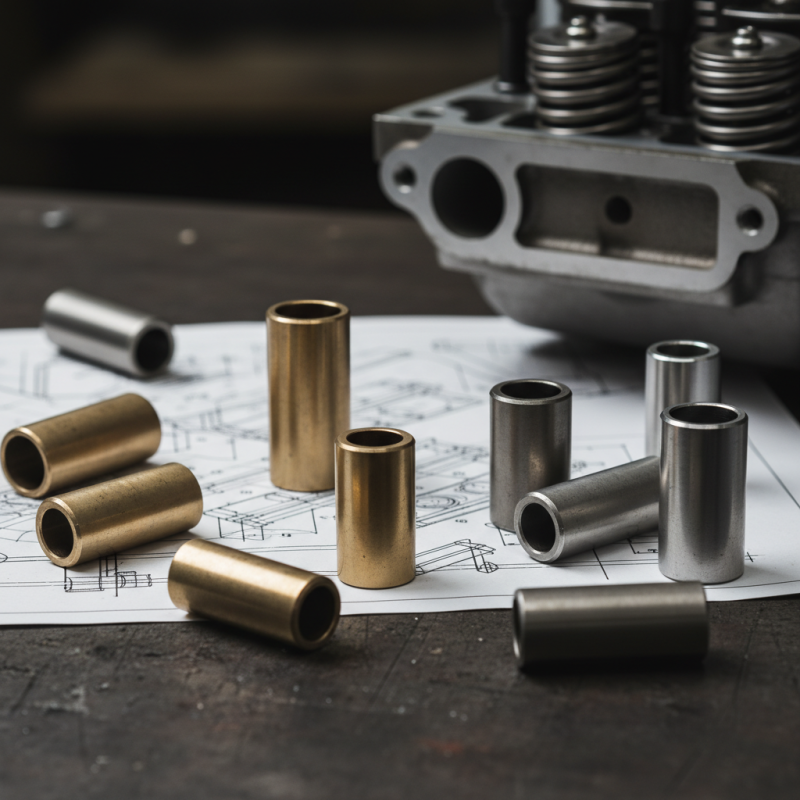
What is a Valve Guide and Its Importance in Engine Performance?
A valve guide plays a crucial role in an engine's performance. It ensures the proper alignment of the valve stem as it moves. This precision leads to efficient airflow and better combustion. Reports indicate that a well-functioning valve guide can enhance engine efficiency by up to 10%.
The materials used in valve guide manufacturing can greatly impact performance. Common choices include bronze, cast iron, and aluminum composites. Each material has its pros and cons. For instance, bronze is known for its durability but may not dissipate heat as effectively as aluminum. The choice of material should reflect the specific engine application.
Moreover, improper fitting or wear of the valve guide can lead to significant issues. Misalignment can cause increased friction. This, in turn, can lead to reduced horsepower and inefficient fuel consumption. A study showed that poorly aligned valves could decrease an engine's efficiency by nearly 15%. It’s essential to regularly inspect valve guides to ensure they meet engine needs. Ignoring this can lead to costly repairs.
Key Materials Used in Customized Valve Guides for Engine Durability
When discussing valve guides, material selection is critical for performance and longevity. Common choices include bronze, steel, and aluminum. Each material offers unique benefits but also comes with trade-offs. For instance, bronze guides are known for their excellent wear resistance. They can endure high temperatures and pressures. However, they may not be suitable for all engine types. Steel, on the other hand, is strong but can experience wear over time, especially in high-performance applications.
The durability of valve guides directly impacts engine efficiency. A study indicated that using custom-fitted guides can reduce friction by up to 30%. This reduction leads to better engine response and longevity. Aluminum guides are lightweight, aiding in performance. Yet, their vulnerability to wear and heat can be an issue. It's essential to analyze your engine’s requirements before deciding.
Customization often requires balancing durability and weight. Engine builders need to assess how these materials behave under various conditions. For some, a mixed-use approach, combining materials, might provide the best results. Understanding how each material interacts with engine oil, combustion temperatures, and operating pressure is vital. This can help avoid costly mistakes down the line.
Factors Influencing the Design of Valve Guides for Optimal Engine Efficiency
When considering valve guides for engines, several factors come into play. The material selection impacts durability and heat resistance. Steel and bronze are often favored for their strength. However, the complexity of your engine might demand a combination of materials for better performance. The wrong choice could lead to rapid wear.
Another significant factor is the diameter and length of the valve guide. These dimensions affect airflow and engine efficiency. If the valve guide is too small, airflow is restricted. Conversely, an oversized guide may disrupt the sealing of the valve. Each engine type has its specific requirements. Finding that sweet spot is tricky.
Finally, think about the tolerance levels. Precision is crucial in manufacturing valve guides. Poorly machined guides can lead to engine knocking. This ultimately causes damage. Balancing cost and quality can be challenging. Investing in the right valve guide might save money in the long run. It’s essential to reflect on these factors to enhance engine performance effectively.
Custom Valve Guide Applications in Racing vs. Standard Automotive Engines
Custom valve guides play a crucial role in both racing and standard automotive engines. In racing applications, performance is key. These engines require precise fitment and optimal material choices. Custom valve guides can withstand higher temperatures and pressures. They help maintain a tighter tolerance for faster response times. For racing, every detail matters. Oversights can cost valuable seconds on the track.
In contrast, standard automotive engines often prioritize durability and cost-effectiveness. While custom valve guides can enhance performance, they are not always necessary for everyday vehicles. A typical car engine may benefit from standard guides. They provide adequate performance for regular use. However, even in standard applications, improvements can be made. There's always room for better materials or designs.
Balancing performance and practicality is essential. Some may overlook the potential of custom solutions. However, investing in the right custom valve guides can lead to noticeable improvements. The choice depends on needs and resources. Finding the sweet spot between performance and efficiency often requires careful thought.
What is Valve Guide Customized for Your Engine Needs? - Custom Valve Guide Applications in Racing vs. Standard Automotive Engines
| Engine Type | Valve Guide Material | Customization Level | Typical Applications | Performance Benefits |
| High-Performance Racing Engines | Titanium Alloy | Fully Customized | Motorsport, Track Racing | Reduced Weight, Enhanced Durability |
| Standard Automotive Engines | Cast Iron | Standard | Daily Use, Commuter Vehicles | Cost-effective, Sufficient Longevity |
| Performance Tuned Engines | Nimonic Alloys | Semi-Customized | Street Racing, Modified Cars | Increased Heat Resistance, Improved Flow |
| Vintage Racing Engines | Bronze | Custom | Classic Car Racing | Authenticity, Reliability |
Industry Trends: Innovations in Valve Guide Technology for Modern Engines
Valve guides play a crucial role in the performance of modern engines. They ensure the accurate alignment of the valves, controlling airflow and enhancing efficiency. Recent innovations in valve guide technology are catering to the diverse needs of engines today. Manufacturers are focusing on materials that can withstand higher temperatures, offering better durability.
Innovative designs are emerging, such as guides with improved lubrication properties. These advances reduce friction and wear, extending engine life. Another trend is the use of CNC machining for precision-engineered guides. This allows for tighter tolerances, improving overall performance. Engineers are experimenting with different alloy compositions to optimize strength and reduce weight.
Tips: Always consider the specific requirements of your engine when selecting a valve guide. Research your material options deeply. Additionally, regular maintenance is key. Check your valve guides frequently for wear. This can avert costly repairs down the road. Remember, the smallest detail in valve guide design can significantly impact engine performance.