

China Top Electric Motorcycle Wheels Manufacturers?

China’s electric motorcycle market includes established component makers, specialist wheel suppliers, and newer manufacturers serving export-focused brands. This overview examines how to assess Electric Motorcycle Wheels suppliers, from material choices and manufacturing consistency to testing records and after-sales support. A polished catalog is useful. Verified details matter more.

Wheel performance depends on more than appearance. Buyers should check rim dimensions, load ratings, hub compatibility, finish quality, and the supplier’s process for inspecting finished parts. Ask for relevant test documentation, sample specifications, and clear answers about production capacity. A lower quoted price may not reflect the full cost of inconsistent tolerances or delayed replacement parts. Small details count.

For transparency, the expert voice below is fictional, not a verified industry quotation. In this introduction, wheel-systems engineer “Daniel Wu” represents a practical evaluation perspective: “A wheel earns trust through consistent fit, documented testing, and dependable production—not appearance alone.” Use that as a guiding question, not a sourced endorsement. Supplier claims should be checked against current records and product samples. Some details may remain unclear until buyers request them. That is worth acknowledging. The sections ahead compare manufacturers and highlight questions that help distinguish measurable capability from marketing language.
China Top Electric Motorcycle Wheels Manufacturers?

Understanding Electric Motorcycle Wheels and Their Main Components

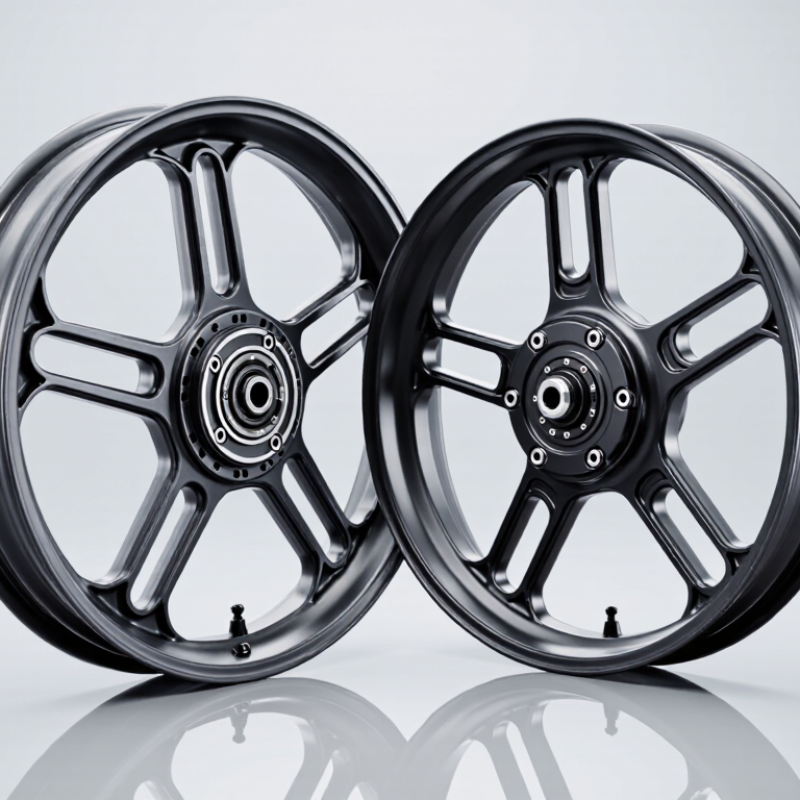
An electric motorcycle wheel is more than a rim and tire. It connects the motorcycle to the road and carries forces from braking, cornering, and acceleration. The rim may be cast or built with spokes, depending on the design and intended use. Inside the hub, bearings allow the wheel to rotate smoothly around the axle. Small parts matter. Dirt, water, or poor adjustment can affect how those bearings perform over time.

Some electric motorcycles use a hub motor, while others place the motor elsewhere and drive the wheel through a separate system. A hub motor makes the wheel assembly heavier, so balance and heat management deserve careful attention. The tire, inner tube or tubeless seal, valve, brake rotor, and fasteners also shape everyday performance. Look for cracks, uneven tire wear, loose spokes, and rotor damage during routine checks. One detail is easy to overlook: a wheel can look clean while its bearings are wearing. Visual checks help, but they cannot reveal everything. I used to think the tire mattered most; that is too simple. The wheel works as a system, and its small components deserve equal care.

Understanding Electric Motorcycle Wheels and Their Main Components

This chart estimates wheel speed at different road speeds using a 0.30 m effective tire radius and the rolling-circumference formula. Actual RPM varies with tire size, load, and tire deformation. A wheel assembly commonly includes a tire, rim, hub, and bearings; it may also include spokes and a brake rotor. Some designs integrate the electric motor into the hub.

Wheel Types, Materials, and Manufacturing Processes in China

China’s electric-motorcycle wheels commonly use cast-alloy designs for everyday road use and spoked wheels for rougher routes. Cast aluminum alloy keeps weight down and allows complex spoke shapes. Spoked assemblies can absorb impacts, but need accurate tensioning and periodic checks. Steel hubs and stainless-steel spokes are also used where durability matters more than minimum weight. The IEA’s Global EV Outlook 2024 reports that worldwide electric two- and three-wheeler sales exceeded 10 million in 2023. That scale makes consistent wheel quality important.

Production often begins with alloy melting and gravity or low-pressure die casting. After cooling, manufacturers trim the casting, heat-treat it, and machine the hub and bearing seats. Forging is another option for some aluminum wheels; it can provide strength, but requires more specialized tooling. Surface coating helps resist corrosion, while dynamic balancing reduces vibration at speed. Inspectors may check dimensions, casting defects, runout, and balance before assembly. Small details matter. A wheel can meet its drawing dimensions yet still feel harsh if its balance or tire fit is poor. IEA data describes a growing market, not every factory’s quality level, so buyers should request process and inspection records.

Criteria for Evaluating Chinese Electric Motorcycle Wheel Manufacturers

A supplier assessment should begin with engineering drawings, not polished product photos. Compare rim width, diameter, offset, axle seats, brake interfaces, and hub-motor mounting points against your specifications. Ask for dimensional inspection records and sample measurements, including radial and lateral runout. Request load and fatigue test methods, acceptance limits, and results for the exact wheel configuration. Check for cracks, burrs, uneven coating, or corrosion around drilled holes. Small clues count.

Materials and process control deserve equal attention. Ask how alloy batches are identified, heat treatment is controlled, and rejected parts are separated. Review calibration logs, traceability records, and corrective-action examples rather than relying on a certificate alone. Confirm that testing uses relevant tires, bearings, fasteners, and motor loads, because interfaces can change stress. Packaging checks matter too; a sound wheel may still arrive with a damaged bead seat.

A factory visit can reveal storage conditions, gauge use, and whether workers follow written procedures. Discuss revision control and response times, and note whether engineering questions receive evidence-based answers. One limitation: a sample inspection cannot prove every production batch will match. Ask how ongoing checks are recorded and what happens when measurements fall outside agreed limits.

China Top Electric Motorcycle Wheels Manufacturers? - Criteria for Evaluating Chinese Electric Motorcycle Wheel Manufacturers

Evaluation Dimension What to Check Evidence to Request Evaluation Method
Wheel fitment and dimensions Rim diameter and width, offset, hub dimensions, axle interface, brake-disc and sprocket mounting points, and tire compatibility. Dimensioned drawings, tolerance specifications, and a sample measurement report for the exact wheel configuration. Compare every critical dimension with the vehicle design or approved drawing. Do not assume that wheels with the same diameter are interchangeable.
Load rating and design basis Rated wheel load, intended vehicle category, operating conditions, and the design assumptions used to determine the rating. Declared load rating, calculation or engineering documentation, and applicable test reports for the wheel model. Check the rating against vehicle axle loads and the vehicle manufacturer's requirements. A universal load rating cannot be assumed across wheel sizes or designs.
Material and construction Specified alloy or steel grade, casting, forging or fabrication route, heat treatment where applicable, and construction details. Material certificates, process specifications, and records linking the material batch to the finished product. Confirm that the documents identify the actual alloy or material grade and production route, rather than relying on general descriptions such as “aluminum alloy.”
Structural testing Strength and durability tests appropriate to the wheel design, intended vehicle, load, and market requirements. Test plan and reports identifying the wheel configuration, test conditions, acceptance criteria, equipment, and results. Verify that testing covers the offered design and relevant use conditions. Test requirements should be agreed with the vehicle customer or applicable regulator; there is no single test result that fits every wheel.
Dimensional and runout control Radial and lateral runout, bead-seat dimensions, mounting-face geometry, and other drawing-defined tolerances. Inspection records showing measured values, specified tolerances, inspection frequency, and calibrated measuring equipment. Compare actual measurements with the approved drawing and customer limits. Use the drawing's limits rather than an assumed universal runout threshold.
Tire and valve compatibility Approved tire size and type, tube-type or tubeless design, bead-seat profile, and valve fitment where applicable. Wheel and tire compatibility documentation, product drawings, and installation instructions. Confirm compatibility for the specific tire and wheel combination. Do not treat a wheel as tubeless-ready unless its design and documentation support that use.
Corrosion and finish durability Surface treatment or coating, corrosion protection, and finish requirements for the intended service environment. Coating specifications, process controls, and test reports stating the test method and exposure conditions. Compare the finish and test conditions with the buyer's environmental and appearance requirements; avoid comparing test-hour claims without matching test methods.
Quality management and traceability Documented inspection controls, nonconformance handling, corrective action, and traceability from material batch to shipment. Current quality-management certificate, scope and validity details, sample inspection records, and a traceability demonstration. Check certificate scope and validity independently. A quality-management certification describes a management system; it does not by itself prove that a particular wheel meets its design requirements.
Production capacity and consistency Available processes, monthly capacity for the specified design, production lead time, and controls for changes to tooling or materials. Process flow, capacity assumptions, sample production records, and a documented engineering-change process. Assess capacity against the buyer's forecast and confirm that any material, process, or tooling change requires review and approval.
Documentation and market compliance Drawings, specifications, test records, labeling, and any approvals required for the destination market and vehicle application. A document list tied to the exact model and configuration, plus copies of applicable approvals or declarations where required. Confirm requirements with the vehicle manufacturer and relevant market authority. Requirements depend on the market and application; do not infer wheel approval from unrelated product certificates.
Sampling and supplier verification Sample approval, production-site verification, inspection access, and handling of rejected or nonconforming products. Pre-production samples, an agreed inspection plan, facility and process information, and written corrective-action procedures. Approve samples against the controlled drawing before mass production and agree on inspection and corrective-action requirements in the purchase specification.

Note: These are supplier-evaluation criteria, not claims about any particular manufacturer. Final limits and acceptance requirements should be defined for the specific vehicle, wheel design, and destination market.

Notable Manufacturers and Their Product Capabilities

Electric motorcycle wheel manufacturers differ in materials, motor integration, and production control. Some make cast alloy wheels for compact urban models; others supply spoked assemblies suited to rougher roads. The useful comparison starts with fit, not appearance. Check rim diameter, width, axle dimensions, brake mounting, and hub-motor compatibility. Small mismatches can cause vibration or difficult installation.

Production capability matters too. Ask how makers control runout, spoke tension, and surface finish. A wheel may look smooth under bright showroom lights but still need careful measurement. Ask for load ratings, material specifications, inspection records, and sample units before placing a large order. A polished catalog is not proof. It is only a starting point.

Customization can include rim profiles, finishes, spoke patterns, and packaging for different markets. Strong suppliers explain which changes affect strength, cost, and lead time. They should also describe how they check corrosion resistance and fatigue performance, rather than offering vague assurances. One detail is easy to miss: replacement parts. Confirm whether spokes, bearings, and compatible hardware can be supplied later. That sounds simple. It isn’t. A clear technical drawing and a measured sample can prevent expensive fit problems, though they may not reveal every issue in real riding conditions.

Quality Standards, Supplier Selection, and Industry Trends

For electric motorcycle wheels, quality begins with dimensions that remain consistent across production batches. Ask suppliers for rim runout, hub alignment, load-rating, and fatigue-test records. A neat sample is not enough. Check several units from different batches, and inspect spoke seats, welds, and bearing fits under good light. These details affect assembly and long-term performance.

Supplier selection should include more than a low quotation. Review the factory’s quality system, material traceability, inspection steps, and response process for defects. ISO 9001 certification can indicate structured management, but it does not prove that every wheel meets your requirements. Request test methods and acceptance limits in writing. Then compare them with your design and intended riding conditions. No checklist catches every production variation. That matters.

Industry trends are bringing lighter alloys, improved corrosion protection, and closer integration between wheel and motor designs. These changes can reduce weight or simplify packaging, but they may also make replacement and repair more demanding. Discuss finish durability, spare-part availability, and compatibility before ordering. Ask how the supplier controls coating thickness around bearing seats. It is easy to overlook. A small detail can become an expensive delay.