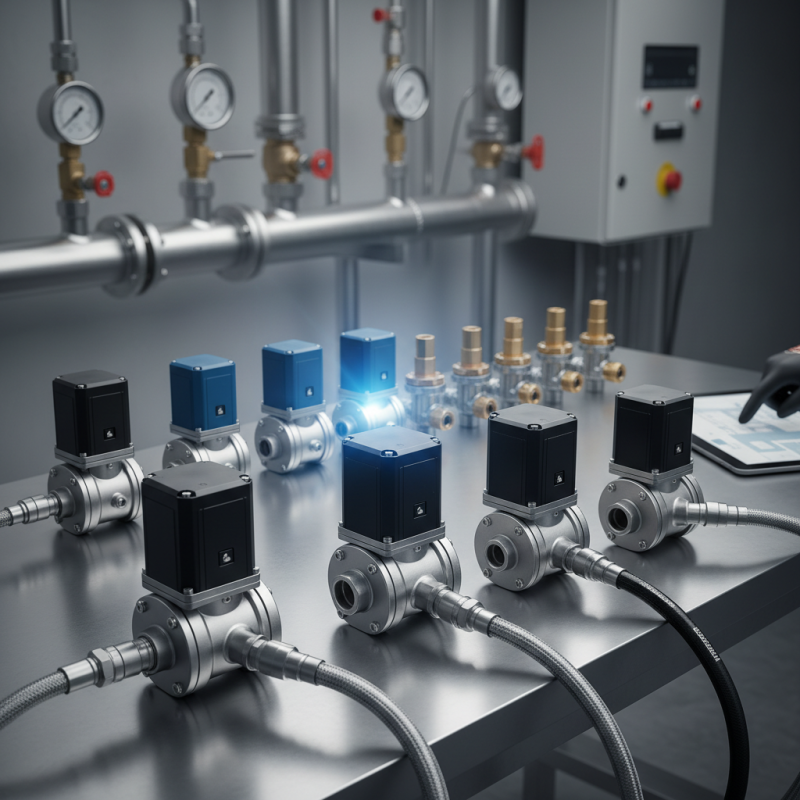
Top 10 Electric Ball Valves to Consider for Your Project?
Electric Ball Valves are integral in modern plumbing and industrial systems. They offer precision control over fluid flow in various applications. In recent years, these valves have gained popularity due to their efficiency and automation capabilities.
Choosing the right Electric Ball Valves can be daunting. With many options on the market, how do you know which to pick? It's crucial to understand your project's requirements. Factors such as size, pressure ratings, and control methods matter greatly. Many users overlook these details. The wrong choice can lead to issues down the line.
In this guide, we highlight the top 10 Electric Ball Valves you should consider. These selections are based on performance, durability, and user satisfaction. This list aims to simplify your decision-making process. We hope to provide you with valuable insights that can enhance your project.
Overview of Electric Ball Valves and Their Applications
Electric ball valves are essential components in various industrial applications. They offer precise control over fluid flow. These valves use an electric actuator to open or close a ball. Typically, they are used in HVAC systems, water treatment plants, and chemical processing. Their design allows for quick and reliable operation. However, the initial setup may pose challenges for some users.
One advantage is their ability to function remotely. This capability is crucial in hard-to-reach areas. But, they require a proper power supply for optimal performance. Some users find it difficult to integrate them into existing systems. It’s important to consider compatibility when choosing an electric ball valve. Installation errors can lead to leaks or malfunctions, creating costly problems.
The durability of electric ball valves is another factor to consider. They can withstand harsh environments, yet wear and tear can occur over time. Regular maintenance is necessary to ensure longevity. Users often overlook this aspect, leading to performance issues. Taking time to understand the specifics of each project can enhance the effectiveness of these valves. Ultimately, careful consideration is key to successful implementation.
Key Features to Look for in Electric Ball Valves
When considering electric ball valves for your project, key features are critical. The valve's actuator type is one of the most important elements. Options include on-off, modulating, or proportional control. Actuators should fit your specific application. A report by Market Research Future highlights that the actuator type can affect efficiency by up to 30%.
Another essential factor is the valve's material construction. Stainless steel and brass are common choices. They offer durability and resistance to corrosion. The right material will improve lifespan and reduce maintenance. According to industry studies, metallic valves show a lifespan increase of approximately 20% compared to their plastic counterparts in high-pressure situations.
Additionally, consider the voltage and power consumption. Electric ball valves typically operate at 12V, 24V, or 110V. Select a voltage that aligns with your system's power supply. High energy efficiency can lower operational costs significantly. Reports suggest that efficient models can reduce energy consumption by up to 15%. However, not all models provide clear energy ratings, which can lead to unexpected expenses. Review performance testimonials and detailed specifications closely.
Top 10 Electric Ball Valve Models for Different Needs
When selecting electric ball valves for your project, it’s crucial to match the model with your specific needs. According to a recent industry report, the demand for efficient and reliable electric ball valves is increasing, especially in sectors like water treatment and HVAC. These valves offer enhanced control over flow rates and are designed for durability.
Consider the flow capacity and pressure ratings of the valves. Models with varying sizes can accommodate diverse applications. For example, larger valves might be necessary for industrial use, while smaller ones are suitable for residential projects. Research shows that incorrect sizing can lead to inefficiency, leading to wasted resources and increased operational costs.
Tips: Always assess the voltage requirements for your application. Some models may not operate effectively under intermittent use. Additionally, installation processes can vary. Ensure your team is familiar with specific models to avoid common pitfalls. Remember, selecting the right valve isn’t just about specifications; it's about understanding the overall system you’re working with. Each choice reflects on your project's success.
Comparative Analysis of Price and Performance
Electric ball valves are increasingly popular in various industrial applications. Their efficiency can be measured through a comparative analysis of price and performance. According to recent industry reports, the average cost of an electric ball valve ranges from $150 to $500. This price variability often depends on specifications and materials used. Higher-priced models may offer advanced automation features or corrosion-resistant materials, which can be crucial for certain environments.
Performance metrics are equally important. Data from engineering analyses show that electric ball valves can reduce energy consumption by up to 30% compared to traditional valves. This decrease is significant for projects aiming for sustainability. However, some low-cost options may compromise durability for price. Maintenance costs can also add up over time if a valve frequently malfunctions.
User experiences often reveal frustrations. The ease of installation should also be factored into your evaluation. Some valves require specialized skills, which can increase overall project costs. Balancing upfront costs against long-term performance can be tricky. A thorough understanding of both aspects is essential for making informed choices.
Maintenance Tips for Electric Ball Valves in Industrial Use
Electric ball valves are widely used in industrial applications. Regular maintenance is essential for optimal performance. Inspecting components like seals and wiring can prevent unexpected failures. Corrosion or wear can lead to leaks. Addressing these issues early minimizes disruption in operations.
Routine cleaning is crucial as well. Dust and grime can accumulate on the valves. This buildup may affect their functionality. Simple soap and water can do wonders. Regular checks help to identify wear and tear. Some users overlook this, leading to larger problems later.
It's also vital to monitor the actuator’s performance. An actuator can fail due to overheating or overuse. Ensure it operates within its designed limits. Maintain a log of performance metrics to detect irregularities. This proactive approach can highlight potential problems before they escalate.