

Who Are the Top Acid Storage Cabinet Suppliers in China?

Choosing among China’s acid cabinet suppliers is not just a price comparison. The right cabinet must suit the chemicals stored, the work area, and the facility’s safety procedures. Acid Storage Cabinets vary in construction, capacity, shelf design, and spill-containment features. A cabinet intended for one acid may not be suitable for another. Confirm material compatibility with the supplier before ordering, and ask for clear product specifications rather than relying on broad claims. Details matter.

This overview considers how buyers can compare suppliers, including product range, manufacturing experience, customization, quality documentation, and after-sales support. Useful questions include whether shelves can be adjusted, how spills are contained, and what testing or inspection records are available. Buyers should also check dimensions against the installation space and consider delivery, service, and replacement-part arrangements. A low quote may not reflect the full cost. That takes work.

No supplier is automatically the best choice for every laboratory, workshop, or industrial site. Requirements differ, and product descriptions do not replace a careful technical review. This comparison is a starting point, not a final endorsement. Some details may be easy to overlook, especially when specifications are brief. Request written answers, compare them against your site’s procedures, and involve qualified safety personnel when needed. The following supplier overview aims to make that evaluation clearer and more practical.
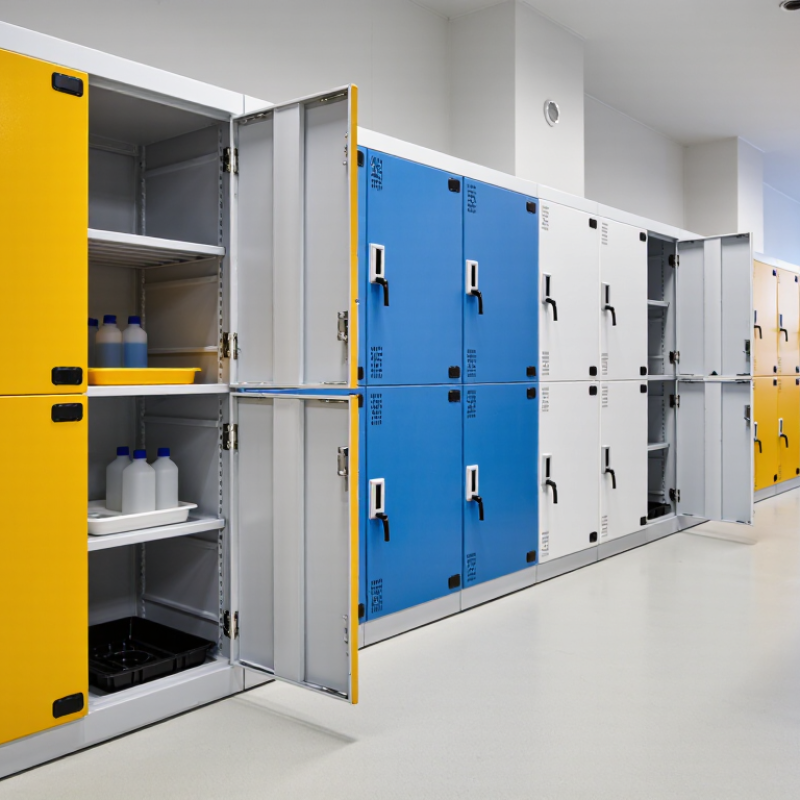
Who Are the Top Acid Storage Cabinet Suppliers in China?

Who Qualifies as a Top Acid Storage Cabinet Supplier in China?

Who Qualifies as a Top Acid Storage Cabinet Supplier in China?

A top supplier does more than offer a cabinet with a corrosion-resistant label. It can explain which materials suit the chemicals being stored and provide clear capacity, shelf-load, and ventilation details. Ask how seams, hinges, and spill-retention features are made. Specific answers matter. So does documentation, such as inspection records and practical installation guidance. A dependable supplier should discuss limitations, not promise that one cabinet fits every acid or workplace.

Tips: Request the cabinet’s material specifications and a written compatibility assessment for your intended chemicals. Check door alignment, welds, and the spill sump during a sample inspection. Confirm how replacement parts and technical support are handled.

Experience is visible in the questions a supplier asks: What containers will be stored? How often will doors open? Where will the cabinet sit? A capable team considers these details before recommending a model. It should also explain routine checks and safe handling procedures without overstating protection. Compare specifications across several suppliers, and verify that documents match the cabinet delivered. One detail is easy to miss: a well-built cabinet can still perform poorly if it is overloaded or placed in an unsuitable location. That part deserves honest discussion.

What Does GB 15603-2022 Require for Hazardous Chemical Storage?

GB 15603-2022 sets general requirements for storing hazardous chemicals in China. For an acid storage cabinet, the key point is compatibility: chemicals that may react dangerously must be kept apart. Acids should not share a cabinet with incompatible substances simply because space is limited. Check each chemical’s safety data sheet and storage conditions.

Keep containers closed, clearly identified, and in good condition. Store them in a suitable, well-ventilated area, and follow the required temperature and environmental controls for the chemicals inside. Keep an accurate inventory, maintain warning signs, and make sure staff can access the site’s emergency procedures and appropriate response equipment.

Small details matter. Paper labels fade. Routine checks can catch corrosion, leaks, or damaged containers before they become serious problems.

A cabinet alone cannot guarantee compliant storage. Its materials, capacity, ventilation, and placement should suit the chemicals and the room where it is installed. GB 15603-2022 provides a storage framework, but site conditions still matter. A practical review should compare the cabinet setup with chemical compatibility information, local risk assessments, and the facility’s emergency plan.

Some details are easy to overlook. Review them anyway.

How Do PP and HDPE Compatibility Charts Guide Storage of pH ≤2 Acids?

PP and HDPE compatibility charts are useful screening tools, not guarantees for acids at pH ≤2. A low pH does not identify the acid, its concentration, or its temperature. Those details matter: dilute hydrochloric acid and concentrated sulfuric acid can produce very different exposure conditions. ASTM D543, the standard practice for evaluating plastics against chemical reagents, emphasizes testing with defined reagents and conditions. Check the chart’s exact chemical, concentration range, temperature, and exposure time before selecting a cabinet liner or container.

PP and HDPE may both resist many aqueous acids, but ratings can differ by formulation and operating conditions. NIOSH’s Pocket Guide to Chemical Hazards reports that sulfuric acid can cause severe skin and eye burns, underscoring the need to assess the actual chemical and manage leaks carefully. For uncertain mixtures, request written compatibility data or conduct a controlled materials assessment with a qualified safety professional. A chart alone cannot predict every real-world failure. That limitation is easy to overlook.

Tips: Record acid identity, concentration, storage temperature, and container material. Inspect for swelling, discoloration, cracks, or softening. Replace suspect components promptly.

How Do ISO 9001:2015, Testing, and Warranty Help Assess Suppliers?

For acid storage cabinet suppliers in China, ISO 9001:2015 is a useful starting point, not proof that a cabinet is safe. ISO’s 2022 Survey recorded more than 1.26 million ISO 9001 certificates worldwide. That scale makes it especially important to verify the supplier’s certificate scope, issuing body, and validity. Ask how incoming steel, welds, coatings, and final inspections are controlled. A tidy certificate can still leave gaps.

Request test reports for the specific cabinet model, not a similar product. Check the test method, laboratory, date, and results for corrosion resistance, load capacity, and door operation. Acid compatibility matters: ask for written guidance on the cabinet’s lining and shelf materials for the chemicals you plan to store. A report should name the tested materials and conditions. Look closely.

Tips: Ask for a sample inspection record and warranty terms in writing. Check whether the warranty covers corrosion, hinges, and workmanship, and whether exclusions apply to routine chemical exposure. Compare the stated coverage period with the time needed to obtain replacement parts. One awkward detail: suppliers may provide strong documents but slow after-sales responses, so test response time with a specific service question before ordering.

Who Are the Top Acid Storage Cabinet Suppliers in China? - How Do ISO 9001:2015, Testing, and Warranty Help Assess Suppliers?

Supplier assessment framework — the criteria and weights below are suggested for comparing suppliers, not verified rankings of specific companies. Request current, independently verifiable documents before making a purchasing decision.

Assessment dimension Suggested weight Evidence to request How to assess it Warning signs
ISO 9001:2015 quality management 15% A current certificate showing the legal entity, covered manufacturing site, certification scope, issuer, and validity dates. Check the certificate with the issuing certification body or its official directory. Confirm that the site and scope cover relevant manufacturing activities. ISO 9001:2015 concerns a quality management system; it is not, by itself, certification that a cabinet is chemically resistant or safe for a particular use. Expired or unverifiable certificate, a different legal entity or site, or claims that ISO 9001 alone proves product performance.
Chemical compatibility and construction 20% Material specifications for the body, lining, shelves, joints, seals, and spill tray; chemical-compatibility information for the acids and concentrations intended for storage. Compare all wetted or exposed components with the exact chemicals, concentrations, temperatures, and storage conditions in your application. Ask for written limitations and recommendations; compatibility can differ between materials and chemicals. Generic “acid-proof” claims without material details, compatibility information, or stated operating limits.
Product testing and inspection 20% Test reports or inspection records identifying the tested model, test method, sample, date, results, and testing organization. Request checks relevant to the design, such as dimensional inspection, coating or material checks, load capacity, and spill-tray integrity. Confirm that reports apply to the offered model and configuration, not merely to a different product. Where relevant, verify laboratory competence and report authenticity. ISO/IEC 17025 relates to testing and calibration laboratory competence; it is not a product approval for the cabinet. Undated or incomplete reports, results for an unrelated model, or test claims without a defined method and scope.
Design, labeling, and regulatory fit 15% Drawings, capacity and load information, ventilation details if applicable, spill-containment details, operating instructions, and labels. Ask which standards or regulations the supplier claims the product meets. Match the specification to the chemicals, workplace, and destination-country requirements. Ask for the exact standard and clauses claimed. Requirements for flammable-liquid cabinets should not automatically be treated as requirements or certification for acid cabinets. Unqualified claims of universal compliance, missing technical drawings, or standards cited without explaining their relevance to acid storage.
Warranty and after-sales support 10% Written warranty terms stating duration, start date, covered parts and defects, exclusions, remedy, claims process, and responsibility for transport or labor. Compare the terms with the intended service conditions and shipping destination. Ask who handles claims, typical response arrangements, and whether replacement parts are available. Treat warranty length as one factor, not proof of product quality. Verbal promises, unclear exclusions, no named warranty provider, or terms that exclude the cabinet’s intended chemicals or environment.
Manufacturing and quality controls 10% Factory address, production-process overview, incoming-material checks, in-process inspections, final inspection criteria, and traceability practices. Use a factory audit or video inspection where practical. Ask how the supplier records nonconformities and controls design or material changes between orders. Inability to identify the production site, no documented inspection process, or unexplained changes to materials or specifications.
Export documentation and delivery readiness 10% Quotation and specification, packing details, commercial invoice and packing-list capability, shipping terms, lead time, and installation or handling instructions where needed. Confirm responsibilities, packaging suitability, delivery milestones, and document requirements for the destination. Have relevant product and import requirements reviewed for the intended market. Unclear product configuration, delivery terms, packaging, or responsibility for required documentation.
Total suggested weighting 100% Score each supplier against the same evidence and requirements; investigate gaps before comparing quotations.

Scoring suggestion: Rate each dimension from 0 to 5 (0 = no acceptable evidence; 5 = strong, relevant, verifiable evidence), then apply the suggested weight. These weights are a comparison aid, not an industry ranking or a substitute for a site-specific safety and regulatory review.

How Can Buyers Compare Chinese Suppliers by Compliance, Cost, and Lead Time?

Buyers should compare evidence, not catalog claims. Request drawings, material specifications, load ratings, and test records for the exact cabinet model. Check shelf and lining materials against the chemicals listed in your safety data sheets. “Corrosion-resistant” alone does not prove compatibility. Ask which standards and destination-market requirements the supplier has assessed. A certificate may be outdated or cover a different product.

Compare total landed cost, not just the unit price. Ask whether spill trays, adjustable shelves, labels, export packing, and inspection fees are included. Request a written breakdown of tooling, shipping, and replacement-part costs. A low quotation can hide important exclusions. I would not treat a polished certificate as a substitute for model-specific test evidence.

Lead time needs the same scrutiny. The World Bank’s 2023 Logistics Performance Index gave China an overall score of 3.7 out of 5, ranking it 19th among 139 economies. This is a country-level logistics benchmark, not a supplier delivery guarantee. Ask for dated milestones covering sample approval, production, inspection, and shipping. Build in a buffer. Rework can upset even a tidy spreadsheet.

How to Compare Acid Storage Cabinet Suppliers in China

Example buyer-set evaluation weights—not measured supplier results or market statistics. Adjust the weights to match your project, then score each supplier against the same evidence and quotation requirements.

What to check: For compliance, request applicable test reports and material specifications; for cost, compare equivalent cabinet sizes, options, packaging, and delivery terms; for lead time, confirm production time and shipping time separately. Verify quality and after-sales terms in writing.