Top Tips for Choosing the Right DC High Pressure Pump?
Choosing the right Dc High Pressure Pump requires careful consideration. The market for high-pressure pumps is evolving rapidly. According to a recent report by Research and Markets, the global high-pressure pump market is expected to grow at a compound annual growth rate (CAGR) of 5.2% from 2023 to 2030. This highlights the increasing demand across various industries.
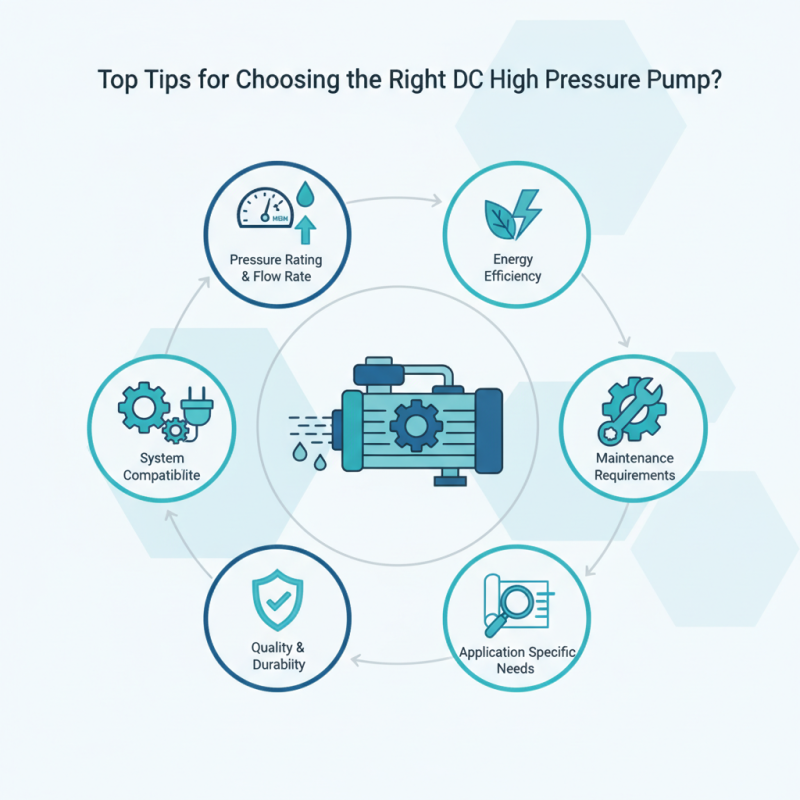
Selecting a DC high-pressure pump involves evaluating specifications and application needs. Not all pumps are created equal. Performance metrics such as pressure rating, flow rate, and energy efficiency are crucial. A study by Grand View Research pointed out that pumps designed for specific applications can lead to a 15% increase in operational efficiency. Failure to assess these factors can result in inefficiencies.
Many users may overlook critical details when making their choice. For example, understanding the pump's compatibility with existing systems is vital. Additionally, considering the maintenance requirements can prevent future disruptions. Reflecting on these elements can lead to more informed purchasing decisions and long-term satisfaction with the chosen equipment. Always prioritize quality and durability in your selection process for a reliable outcome.
Understanding the Basics of DC High Pressure Pumps
Understanding the basics of DC high pressure pumps is crucial for making informed decisions. These pumps are typically used in applications requiring high pressure and low flow rates. According to industry reports, the global market for these pumps is expected to grow by 5% annually, highlighting their increasing importance.
When selecting a pump, consider the needed pressure range. Many applications demand pressures exceeding 500 PSI. Not all pumps are designed for high pressure. Researching specifications is necessary to ensure proper performance.
Tip: Always check for certifications. A reliable pump should meet industry standards. This adds a layer of assurance about its quality.
Another important aspect is the power source. DC pumps require specific input voltage and current ratings. Mismatched power supply can lead to underperformance or even damage.
Tip: Consult the manufacturer's guidelines on power requirements. Understanding this can prevent operational issues down the line.
Taking the time to reflect on these technical details will refine your pump selection process. Choose wisely to ensure efficiency in your operations.
Key Specifications to Consider When Selecting a Pump
Selecting the right DC high-pressure pump requires careful consideration of various specifications. First, assess the pressure rating needed for your application. Different tasks need different pressure levels. For instance, a pump for a car wash demands higher pressure than one for garden irrigation. Understand the required flow rate as this impacts efficiency and performance. A mismatch can lead to inadequate water supply or wasted energy.
Another essential factor is the pump's material. High-quality materials ensure longevity and reliability. Look for options that can withstand corrosive environments if necessary. This is crucial, especially in industrial applications. Pay attention to the pump's energy efficiency as well. An energy-efficient pump can significantly reduce operational costs over time.
Do not overlook the pump's size and weight. A heavy pump may be hard to maneuver. Additionally, ensure compatibility with existing systems. Check dimensions carefully. An incorrect fit can lead to costly adjustments. Making these considerations can help prevent issues down the line. Balancing these elements requires ongoing reflection and adjustment based on performance feedback.
Top Tips for Choosing the Right DC High Pressure Pump
| Specification | Description | Importance |
| Flow Rate | The volume of fluid the pump can move per unit time, measured in liters per minute (L/min). | Determines the pump’s ability to meet application demands. |
| Pressure Rating | Maximum pressure the pump can generate, usually measured in PSI (Pounds per Square Inch). | Essential for ensuring the pump can handle required operational pressures. |
| Power Source | Type of power supply required, typically DC voltage ratings (e.g., 12V, 24V). | Important for compatibility with existing systems and power availability. |
| Material | Construction material of the pump body and internals, such as stainless steel or plastic. | Impact on durability and resistance to corrosion and wear. |
| Temperature Range | The range of temperatures the pump can effectively operate in. | Critical for applications involving hot or cold fluids. |
| Size and Weight | Physical dimensions and weight of the pump. | Affects installation flexibility and transportability. |
| Noise Level | Decibel (dB) level generated during operation. | Important for applications where noise reduction is a priority. |
Assessing the Required Flow Rate for Your Application
When selecting a DC high pressure pump, determining the required flow rate is crucial. The flow rate indicates how much fluid the pump can deliver per minute. According to industry data, many applications require a specific flow rate to ensure efficiency. For example, in hydraulic systems, flow rates can vary from 5 to 150 gallons per minute (GPM) depending on the system's demands.
Tips: Calculate your system's flow requirements. Consider both maximum and minimum flow rates. This analysis helps avoid underperformance or energy waste.
It's essential to consult performance curves and specifications when assessing flow rates. Improper flow rates can lead to operational issues. For instance, excessive flow might result in cavitation, while insufficient flow can cause inadequate cooling. A study by the Hydraulic Institute emphasizes that accurate measurements are critical in pump selection processes.
Tips: Use precise instruments to measure your system's flow needs. Regular maintenance can also improve flow efficiency. Keep in mind that environmental factors may influence performance.
Understanding the flow requirements can significantly impact your application’s success and reliability. Balancing the demands of your system with the capabilities of available pumps is vital for optimal performance. Always revisit your needs as they may evolve over time.
Evaluating Energy Efficiency and Power Supply Options
When choosing a DC high-pressure pump, energy efficiency is crucial. High energy efficiency reduces operating costs over time. Look for pumps with high-efficiency motors. They consume less electricity, which is better for your budget and the environment.
Power supply options are another important factor. Some areas may have limited supply voltage. This limitation could affect performance. Make sure to assess your local electrical infrastructure before making a choice. Compatibility with your existing systems is essential.
Installing a highly efficient pump can lead to significant savings. However, not all pumps are created equal. Consider the upfront investment versus long-term gains. A pump that seems cheaper may consume more energy later. Always balance initial costs with expected performance.
Understanding Maintenance Needs for Long-Term Performance
When choosing a DC high-pressure pump, understanding maintenance needs is crucial for longevity. Regular maintenance not only keeps the pump running smoothly but also enhances performance. Maintenance may include checking for leaks, lubricating moving parts, and replacing worn components. Ignoring these tasks can lead to decreased efficiency.
Consider the type of environment your pump operates in. Dusty or humid conditions may require more frequent maintenance checks. Keep an eye on the pump's temperature; overheating can reduce its lifespan. Investing in a reliable maintenance schedule saves money in the long run.
When selecting a pump, think about compatibility with maintenance tools. Ensure replacements and repair parts are readily available. Simplicity in design often makes maintenance easier. Look for user manuals that provide clear guidance. A good pump should come with adequate support for maintenance inquiries. Balancing performance with ease of upkeep will lead to better results.