How to Source CNC Components for Global Procurement in 2026?
In the ever-evolving landscape of global procurement, sourcing CNC components has become increasingly complex. As we look towards 2026, businesses must adapt to technological advancements and shifting market demands. CNC components are critical in various industries, from automotive to aerospace. Finding reliable suppliers can be challenging; the quality of components varies widely.
A focus on quality assurance and supplier credibility is essential. This ensures machinery operates efficiently and safely. Companies may face decisions that lead to mixed results, especially when pursuing cost savings over quality. Exploring multiple procurement strategies can help mitigate risks. However, the fast pace of innovation means there are no guarantees in sourcing.
As manufacturers demand higher precision, it’s vital to stay informed about the latest trends. Being proactive in supply chain management is crucial. Paying attention to geopolitical issues can impact sourcing decisions, often leading to unexpected challenges. By prioritizing expertise and reliability, businesses can enhance their global procurement strategies for CNC components. An informed approach is necessary for sustaining competitive advantage in a rapidly changing environment.
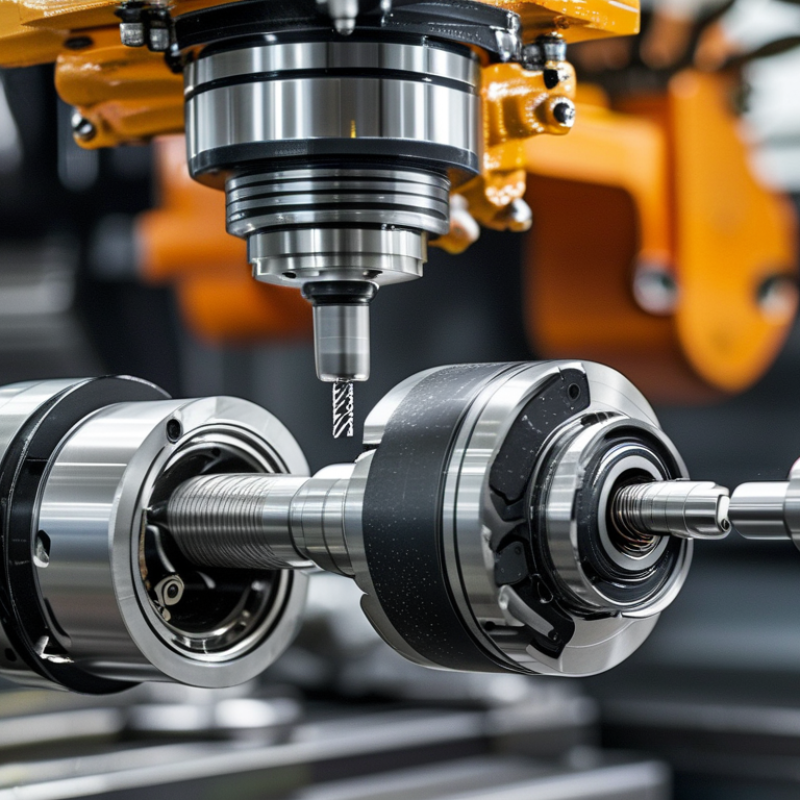
Identifying Reliable CNC Component Suppliers for Global Procurement
When sourcing CNC components for global procurement, identifying reliable suppliers is crucial. Trustworthy vendors can significantly affect production quality and delivery timelines. Start by assessing potential suppliers’ experience. Look for companies with a proven track record in delivering quality CNC components. An experienced supplier can provide insights into common challenges and how to address them.
Tips: Review supplier certifications. This includes ISO standards and other industry-specific qualifications. Such credentials often indicate a commitment to quality. Conduct site visits whenever possible. Seeing operations firsthand can reveal a lot about their capabilities and reliability.
Transparency is vital. Suppliers should be open about production processes and materials used. If information is vague, it might signal potential issues. Trust your instincts; if a supplier feels off, consider other options. Look for peer reviews and testimonials. Engaging with other companies can provide valuable feedback on supplier performance, highlighting both strengths and weaknesses.
Understanding Trends in CNC Component Sourcing for 2026
The landscape of CNC component sourcing is evolving rapidly in 2026. Manufacturers must remain attentive to this dynamic shift. Global procurement trends are moving towards sustainability and localization. Companies are increasingly prioritizing suppliers who adhere to eco-friendly practices. This focus on sustainability is not just a trend; it is becoming a necessity.
Supply chain disruptions have highlighted the need for efficient sourcing strategies. Businesses are encouraged to diversify their supplier base. Relying on a single supplier can expose companies to significant risks. In 2026, partnerships with local suppliers may offer advantages in terms of speed and reliability. Yet, it’s crucial to assess the quality and capability of these suppliers to ensure they meet industry standards.
Digital technologies play a pivotal role in sourcing CNC components. Leveraging AI and machine learning can improve decision-making processes. These tools can analyze data patterns to predict market shifts. However, they require upfront investment and expertise. Companies must weigh the potential benefits against their current capabilities. Staying informed about industry advancements will empower businesses to adapt.
Evaluating Quality Standards and Certifications for CNC Components
When sourcing CNC components globally in 2026, quality standards and certifications are crucial. A recent report from the International Organization for Standardization (ISO) notes that over 70% of manufacturers prefer suppliers with ISO certifications. These certifications ensure adherence to consistent quality management practices. They help avoid costly production delays.
CNC components should also meet specific industry standards, such as CE marking in Europe and RoHS compliance for hazardous materials. Studies indicate that companies lacking these certifications face a 20% higher risk of quality issues. Implementing a rigorous evaluation process is essential.
Sourcing from suppliers with robust quality control systems can reduce operational risks. However, relying solely on certifications can lead to complacency. Regular audits and performance reviews are necessary. Despite high standards, results can vary significantly between suppliers. Continuous assessment remains vital to ensure compliance and quality assurance.
Quality Standards and Certifications for CNC Components
Navigating International Trade Regulations for CNC Component Acquisition
Navigating international trade regulations for CNC component acquisition in 2026 is increasingly complex. As global markets expand, compliance has become a priority. A recent survey indicated that nearly 70% of manufacturers faced challenges in understanding evolving regulations. This indicates a pressing need for expertise in international trade laws.
In sourcing CNC components, tariffs and customs duties can significantly impact costs. According to the World Trade Organization, global tariffs have seen fluctuations, with averages reaching 6% across various sectors. Specialized companies now offer services to help businesses understand these costs. They aim to simplify the procurement journey and ensure compliance.
Many manufacturers overlook local regulations in foreign markets. This often leads to delays and increased expenses. Experts recommend ongoing training on these regulations, as they evolve frequently. Partnering with local firms can also provide valuable insights into best practices and compliance strategies. Functions that incorporate local expertise enhance reliability in CNC component procurement.
Leveraging Technology for Efficient CNC Procurement Processes
In 2026, sourcing CNC components efficiently requires embracing the latest technology. Many companies are already leveraging automation and AI to streamline their procurement processes. These tools can analyze supplier data in real time, allowing for smarter decisions. Automated systems reduce human error, ensuring a more accurate sourcing approach.
However, technology is not a cure-all. Companies must emphasize the need for human oversight. Data-driven insights can guide procurement, but personal relationships with suppliers remain vital. Trust and communication can prevent misunderstandings. It’s essential to balance technology with human judgment.
Investing in digital platforms can enhance transparency throughout the supply chain. Yet, businesses often report challenges in integrating new tools. Training staff to use these systems effectively is sometimes overlooked. Companies need to invest time and resources to adapt. The successful integration of technology can transform procurement, but it demands careful planning and implementation.
How to Source CNC Components for Global Procurement in 2026? - Leveraging Technology for Efficient CNC Procurement Processes
| Component Type | Material | Supplier Region | Lead Time (Weeks) | Cost per Unit ($) |
| CNC Machined Parts | Aluminum | Asia | 4 | 50 |
| CNC Turned Components | Stainless Steel | Europe | 5 | 75 |
| CNC Parts for Aerospace | Titanium | North America | 6 | 120 |
| Custom CNC Parts | Plastic | South America | 3 | 30 |
| CNC Laser Cut Parts | Carbon Steel | Africa | 7 | 45 |