What is a shore to boat voltage converter and how does it work?
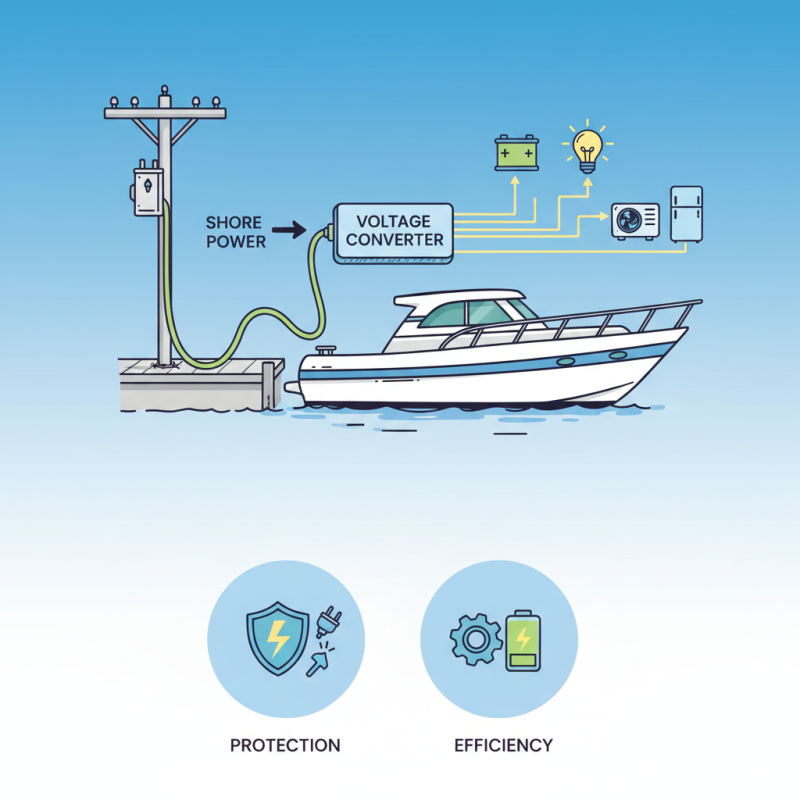
A shore to boat voltage converter is essential for boat power systems. It bridges the gap between coastal power sources and onboard electricity needs. When a boat is docked, it connects to shore power. This process allows the boat to run electrical systems efficiently without draining the onboard batteries.
Understanding the function of a shore to boat voltage converter is crucial for boat owners. This device ensures compatibility between different voltage levels. By converting shore power to the voltage required by the boat, it optimizes energy use. Each connection must be secure to prevent risks. In some situations, these converters may face challenges, like voltage fluctuations and overloads.
Reliable use of a shore to boat voltage converter enhances safety. It minimizes the risk of electrical fires and equipment damage. Recognizing potential issues helps in making informed decisions. Proper installation and maintenance are vital. Exploring these elements can lead to a better boating experience.
What is a Shore to Boat Voltage Converter?
A shore to boat voltage converter is a critical component in marine environments. It allows boats to receive power from shore connections safely. This device transforms shore power voltage into a format compatible with boat electrical systems. The conversion ensures that appliances on the boat function optimally without damage.
When connected, the converter regulates the voltage. It adjusts the incoming voltage to match the needs of the boat's electrical infrastructure. Many boats require different voltage levels, so versatility is essential. The equipment can handle various power sources, making it reliable. However, improper use might lead to electrical issues. Faulty connections can cause surges or fluctuations.
Despite its importance, many boat owners overlook the converter. This can lead to unexpected challenges. It’s crucial to understand how this device operates. Regular maintenance checks can prevent failures. Power management while at dock is vital. Users should be familiar with their boat's specific needs. This knowledge creates safer boating experiences.
The Functionality of Shore to Boat Voltage Converters
A shore to boat voltage converter is essential for boating enthusiasts. It ensures that the electrical systems on a boat operate efficiently when connected to shore power. These converters adjust the voltage and current from the shore supply, making it compatible with the boat's electrical systems.
The functionality of these converters relies on their ability to transform electricity types. Boats often use 12V or 24V systems, while shore power may supply 120V or 240V. The converter optimally adjusts the voltage levels. This not only protects sensitive equipment but also ensures that all systems run smoothly. One common issue boaters face is voltage fluctuation. Without proper conversion, devices may experience damage or failure.
While shore to boat voltage converters enhance functionality, they are not infallible. Sometimes, issues arise from poor connections or inadequate installation. Ensuring that the converter is properly rated for your specific boat system is crucial. Regular maintenance checks can prevent many potential problems. Understanding how these converters work can enhance your overall boating experience.
Key Specifications of Shore to Boat Voltage Converters
Shore to boat voltage converters play a crucial role for those who live or spend time on boats. They help bridge the voltage differences between shore power systems and boat electrical systems. These devices convert higher AC voltage from shore power to a lower voltage suitable for boat usage. It's essential for any boat owner to understand the specifications of these converters to ensure safety and efficiency.
Key specifications to consider include input voltage range, output voltage, and power rating. Many converters accept a variety of input voltages, typically ranging from 120V to 240V AC. Output voltage should match your boat's system, often around 12V or 24V. Power rating is equally important. It indicates how much load the converter can handle without overheating or failing.
Some converters come with built-in safety features. These may include overload protection, short-circuit protection, and surge protection. The design should also facilitate easy installation. However, not all converters are created equal. Users must assess the quality and reliability of their chosen product. Researching user reviews can shed light on potential pitfalls and benefits. A thorough understanding of these specifications will help owners make informed choices for their boating experience.
Shore to Boat Voltage Converter Performance Analysis
This bar chart illustrates the output voltage of different shore to boat voltage converters. The selected models demonstrate varying voltages, which are crucial for ensuring compatibility and efficiency when powering devices on boats from shore power sources.
Common Applications of Shore to Boat Voltage Converters
Shore to boat voltage converters play a vital role in marine environments. These devices enable vessels to draw power from shore sources, ensuring a stable and safe electrical supply. Common applications include powering onboard systems like lighting, HVAC, and battery chargers. According to marine electrical reports, over 70% of boat owners utilize shore power for energy efficiency, reducing reliance on onboard generators.
In marinas, voltage converters help to maintain consistent voltage levels, preventing damage to sensitive equipment. Data shows that spikes or drops in voltage can lead to equipment failures, costing boat owners thousands in repairs. Furthermore, shore power usage is environmentally friendly. It reduces greenhouse gas emissions from diesel generators. In fact, studies indicate that using shore power can lower carbon emissions by up to 30% per vessel annually.
However, there are challenges. Not all boats are equipped to handle shore power. Some require upgrades to their electrical systems. This can involve extra costs and planning. Further, different regions may have varying voltage standards, complicating the compatibility issues. Awareness and understanding of these converters can help boat owners make informed decisions. Proper installation and maintenance are key to ensuring longevity and efficiency.
Safety Standards and Regulations for Voltage Converters in Marine Use
When it comes to marine voltage converters, understanding safety standards is crucial. These devices convert shore power to a suitable voltage for boats. They ensure safe operation on the water. Regulations vary across regions but generally focus on preventing electrical shock and fire hazards.
One key safety standard is the American Boat and Yacht Council (ABYC) guidelines. These rules specify wiring requirements, component ratings, and installation practices. Compliance with these standards enhances safety and reliability. It's essential that boat owners stay informed about these regulations.
Tips: Always check the voltage rating of your converter before use. Regularly inspect connections for wear or corrosion. Don’t underestimate the importance of using a certified converter. You cannot ignore potential risks; they can lead to significant issues.
Another route to safety involves using Ground Fault Circuit Interrupters (GFCIs). These devices protect against electrical faults by shutting off power instantly. They are essential in wet environments like marinas. Be attentive to any signs of malfunction in your electrical systems. It’s better to troubleshoot early rather than face emergencies later.
What is a Shore to Boat Voltage Converter and How Does It Work?
| Feature | Description |
| Function | Converts shore power voltage to match boat’s electrical system. |
| Types | Step-down converters, step-up converters, and inverters. |
| Input Voltage | Commonly 110V or 220V AC from shore power. |
| Output Voltage | Typically 12V or 24V DC for marine applications. |
| Safety Standards | Must comply with ABYC, ISO, and IEC standards for safety. |
| Protection Features | Short circuit, overload, and thermal protection mechanisms. |
| Installation Location | Typically installed in engine compartments or near AC sources. |
| Maintenance | Regular checks for signs of wear and corrosion recommended. |