What is Reflective Workwear and Why is it Essential?
reflective workwear plays a crucial role in various industries. It helps workers remain visible in low-light conditions. This safety gear is not just about style; it’s a necessity for protection. Often, workers on construction sites or roadside jobs face hazards. Imagine a construction worker, blending into the surroundings at dusk. Without reflective workwear, the risks multiply.
reflective workwear enhances safety by using bright colors and reflective strips. These features ensure that workers are easily seen by drivers and machinery operators. The reflective materials bounce the light, creating a safety halo. Consider night shifts, where visibility is key. Inadequate visibility can lead to accidents, injuries, or worse outcomes.
Many underestimate the importance of this gear until it’s too late. Some workers might feel uncomfortable or less fashionable in these outfits. However, the trade-off is worth it. Ultimately, reflective workwear is essential for preventing workplace accidents. It reminds us that safety should never be compromised for aesthetics.
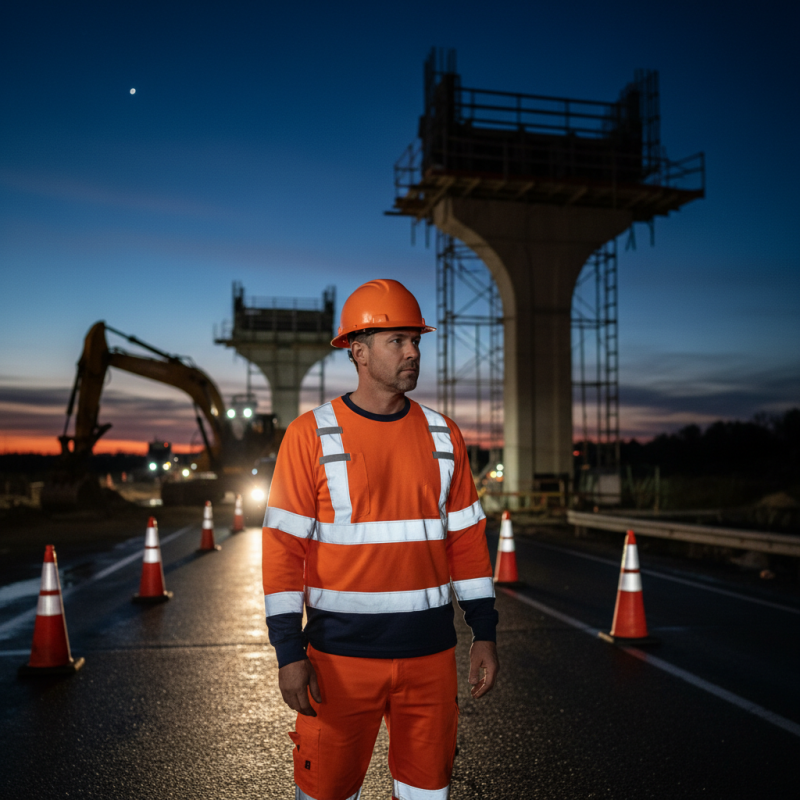
What is Reflective Workwear? A Definition and Overview
Reflective workwear refers to clothing designed with high-visibility materials. These items often incorporate reflective strips to enhance safety. Workers in construction, road maintenance, or emergency services benefit from such gear. According to the U.S. Bureau of Labor Statistics, over 200,000 workplace injuries occur annually due to low visibility conditions. This statistic highlights the necessity of effective reflective workwear.
The effectiveness of reflective workwear cannot be overstated. A report from the Occupational Safety and Health Administration (OSHA) states that visibility can reduce accidents by up to 50%. However, many workers still neglect to wear proper gear. In fact, around 35% of employees report that their workplace does not prioritize visibility standards. This negligence can lead to severe consequences, including injuries and fatalities.
For reflective workwear to be effective, it must meet certain standards. The American National Standards Institute (ANSI) provides guidelines for manufacturing these items. Despite this, some reflectivity levels fall short in practice. Insufficient testing or improper use may diminish safety benefits. Workers must regularly assess their attire. Relying solely on design is not enough. Active engagement in safety protocols is essential for creating safer work environments.
The Importance of High Visibility in Various Work Environments
High visibility workwear is vital in many settings. The Bureau of Labor Statistics reported over 20,000 workplace injuries due to low visibility conditions in 2022. These incidents often occur in construction zones and roadways. Workers without high visibility gear are at a higher risk. Bright colors and reflective materials can significantly improve safety.
Consider the logistics industry. A study by the National Safety Council found that increasing visibility reduced accidents by 30%. This statistic emphasizes the urgent need for reflective workwear. In dimly lit warehouses, poor visibility can lead to severe accidents. Reflective gear ensures that workers are seen, even in low-light situations.
The reality is that not all companies prioritize high visibility clothing. Some may overlook the importance, thinking it's an added expense. However, the cost of workplace accidents far exceeds the price of proper workwear. Investing in visibility is not just about compliance; it’s about preserving lives. Every worker deserves to be seen and safe.
What is Reflective Workwear and Why is it Essential?
| Work Environment | Type of Reflective Workwear | Visibility Level | Key Benefits |
| Construction Sites | High-visibility vests | High | Increased safety from machinery and vehicles |
| Roadwork | Reflective jackets | Very High | Visibility during low light conditions |
| Warehouse | High-visibility coveralls | Moderate | Protection in busy, low-visibility areas |
| Emergency Services | Reflective uniforms | Very High | Immediate visibility in crisis situations |
| Cycling and Pedestrian Areas | Reflective clothing | High | Increased safety from vehicles |
Key Statistics on Workplace Accidents and Visibility
Workplace accidents are a major concern across various industries. According to the National Safety Council, around 4.6 million workers are injured on the job each year in the United States. A striking statistic indicates that 25% of these injuries result from slips, trips, and falls. These incidents often occur in environments where visibility is poor. Reflective workwear can make a significant difference in preventing such accidents.
Visibility plays a crucial role in worker safety. Studies show that wearing high-visibility clothing reduces the risk of accidents by up to 70%. In construction zones, workers without reflective gear face a higher likelihood of being struck by vehicles or machinery. A report from the Bureau of Labor Statistics revealed that visibility-related accidents account for nearly 10% of workplace fatalities. This underscores the need for proper reflective attire in environments with moving equipment.
Despite these statistics, many workers still neglect to wear reflective workwear. A survey indicated that 40% of employees in hazardous areas do not consistently use proper visibility gear. This gap highlights a need for better training and awareness. It's clear that investing in and adopting reflective workwear could save lives and prevent injuries.
Types of Reflective Materials Used in Workwear and Their Benefits
Reflective workwear plays a crucial role in ensuring safety in various work environments. It improves visibility and reduces accidents. Workers often face low-light conditions. This makes reflective materials a necessity.
There are several types of reflective materials used in workwear. High-intensity reflective tapes are common. They can reflect light from far distances. This enhances worker visibility at night or in dim conditions. Fluorescent fabrics are also popular. They absorb light during the day and enhance visibility at night.
Each type of material has unique benefits. Some fabrics are durable and withstand tough environments. Others are lightweight and comfortable to wear all day. However, not all reflective workwear is created equal. Some may not perform well in certain conditions. Choosing the right type is essential. It requires careful consideration and reflection on specific job requirements.
Regulatory Standards for Reflective Workwear in Different Industries
Reflective workwear is vital for safety in many industries. Different sectors have specific regulatory standards for this type of clothing. For instance, construction, roadwork, and emergency services all have unique guidelines. These regulations often stem from the need to improve visibility in low-light conditions. Proper compliance helps workers avoid accidents and injuries on the job.
In construction, reflective clothing must meet certain brightness levels. ANSI/ISEA 107 is a common standard. Workers need to be seen from a distance. This is crucial for busy sites with heavy machinery. Similarly, workers on highways face unique challenges. They must wear gear that stands out against moving vehicles. Regulations often demand high-visibility colors and patterns for maximum safety.
However, not all businesses heed these standards. Some may overlook the importance of proper reflective workwear. This negligence can have serious consequences. Just one oversight in safety gear can lead to tragic outcomes. Reflective workwear is not merely a suggestion; it is essential for protecting lives. Making it a priority can help instill a culture of safety within the workplace.
Reflective Workwear Compliance by Industry
This chart illustrates the percentage of compliance with reflective workwear regulations across different industries, highlighting the importance of maintaining safety standards in each sector.