What are the Key Wastewater Chemicals for Effective Treatment?
Effective wastewater treatment relies heavily on specific chemicals. These "Wastewater Chemicals" play a crucial role in contaminant removal and enhancing overall water quality. According to Dr. Jane Smith, a leading expert in environmental engineering, “The right chemicals can turn a polluted source into a clean water supply.”
Key chemicals include coagulants, flocculants, and disinfectants. Coagulants help particles clump together, making them easier to remove. Flocculants aid in this process by promoting larger aggregates. Disinfectants eliminate pathogens, ensuring treated water is safe. Yet, reliance on these chemicals raises concerns. Overuse can lead to chemical buildup and unintended environmental impact.
It's essential to find a balance between effective treatment and ecological responsibility. The challenge lies in selecting the proper chemicals while minimizing adverse effects. Ongoing research in the industry aims to innovate safer alternatives. However, the current reliance on traditional "Wastewater Chemicals" remains a critical focus. Understanding their role can help improve water treatment practices and environmental sustainability.
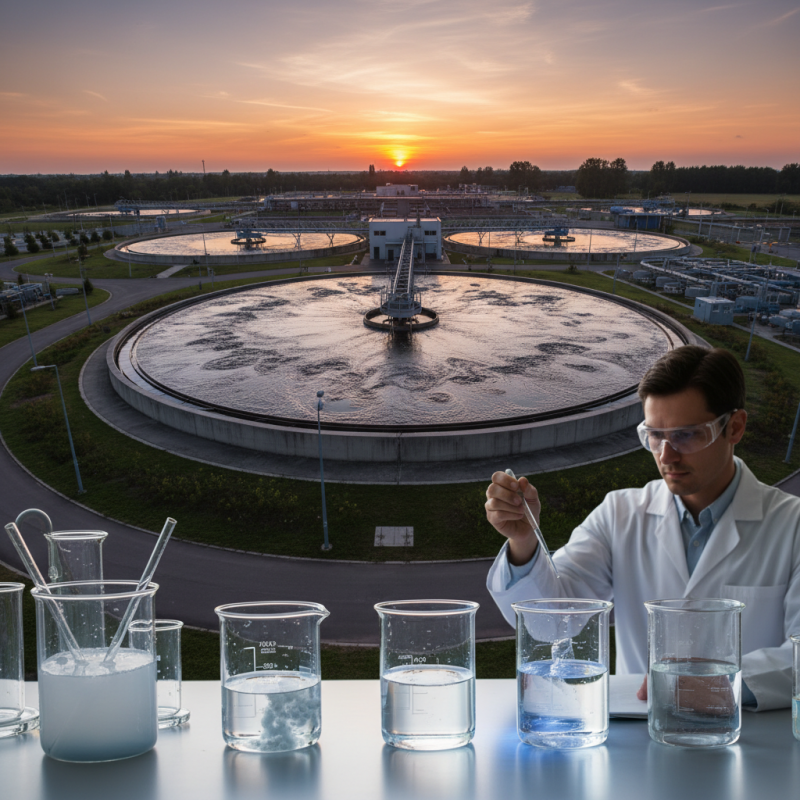
Key Chemicals in Wastewater Treatment Processes
In wastewater treatment, several key chemicals play critical roles. These chemicals help break down pollutants and ensure safe water release. Coagulants, like aluminum sulfate, encourage particle aggregation. This process helps remove suspended solids effectively. They aid in forming larger clumps, making filtration simpler.
Another essential group includes oxidizing agents. Chlorine and ozone are commonly used to disinfect water. These agents eliminate harmful pathogens, ensuring safer water for the environment. However, relying solely on these may pose risks. They can produce harmful byproducts that require management.
pH modifiers are also vital. Adjusting the acidity or alkalinity of water can enhance treatment efficiency. Sodium hydroxide or sulfuric acid can create optimal conditions for various processes. While indispensable, their use must be carefully controlled. Overuse can lead to environmental harm. The balance of these chemicals is crucial for effective wastewater treatment. Each chemical has its advantages and potential drawbacks, requiring ongoing assessment and adjustment.
Key Chemicals in Wastewater Treatment Processes
Role of Coagulants in Wastewater Treatment Efficiency
Coagulants play a crucial role in wastewater treatment efficiency. These chemical agents help to aggregate suspended particles, making it easier for them to be removed. Common coagulants include aluminum sulfate and ferric chloride. When used correctly, they significantly enhance the removal of contaminants. The optimal dosage and application method can vary based on the characteristics of the wastewater.
Effective treatment requires careful management of coagulants. Too much can lead to sludge problems. Too little might not fully clarify the water. Operators must frequently monitor water quality. Testing for parameters like turbidity and pH is essential for optimizing coagulant use.
Tips: Always start with pilot tests to find the right amounts. Regularly check the sludge volume. This can prevent overloading of treatment tanks. Inconsistent results may indicate issues in coagulant application. Adjustments might be necessary to improve efficiency.
What are the Key Wastewater Chemicals for Effective Treatment? - Role of Coagulants in Wastewater Treatment Efficiency
| Chemical | Type | Common Uses | Efficiency | Environmental Impact |
| Aluminum Sulfate | Coagulant | Suspended solids removal | High | Low toxicity |
| Ferric Chloride | Coagulant | Phosphorus removal | Moderate | Moderate |
| Polymeric Coagulants | Synthetic Coagulant | Enhanced flocculation | Very High | Low |
| Calcium Hydroxide | Coagulant | pH adjustment and clarification | High | Minimal |
| Sodium Aluminate | Coagulant | Sulfide removal | High | Low |
Importance of Flocculants in Solid-Liquid Separation
Flocculants play a crucial role in solid-liquid separation during wastewater treatment. These chemical agents promote the agglomeration of suspended particles, making it easier to remove them. According to a report from the American Water Works Association, effective flocculation can lead to a 50% reduction in suspended solids, significantly improving water clarity.
In many treatment facilities, the choice of flocculants is essential. Different types exist, each with unique properties and applications. Polyacrylamides, for instance, are often used due to their ability to enhance sedimentation rates. This means that smaller particles can be effectively captured during the process. However, improper dosage can lead to challenges in separation efficiency.
Moreover, the environmental implications of flocculants need attention. Some formulations can produce toxic byproducts if not managed correctly. The National Sanitation Foundation emphasizes the importance of using environmentally friendly alternatives. This ensures the treatment process is not only effective but also sustainable. A balance between efficacy and safety is paramount for responsible wastewater management.
Use of Disinfectants to Eliminate Pathogens in Wastewater
Disinfectants play a crucial role in wastewater treatment. They are essential for eliminating harmful pathogens that may linger in treated water. Commonly used disinfectants include chlorine, ozone, and ultraviolet (UV) light. Each of these agents has unique properties that contribute to the disinfection process.
Chlorine is widely used due to its effectiveness and cost efficiency. However, it can react with organic matter, forming harmful byproducts. This highlights the importance of monitoring chlorine levels and ensuring optimal conditions for disinfection.
Ozone, on the other hand, does not leave harmful residues but requires careful handling due to its reactive nature.
UV light provides a chemical-free alternative, effectively inactivating pathogens without adding chemicals to the water. The challenge lies in ensuring adequate exposure time and intensity.
The choice of disinfectant greatly impacts the overall treatment process. It’s essential to evaluate the specific wastewater characteristics and potential contaminants. Continuous assessment is necessary to optimize disinfection efficiency. Each water treatment facility must consider how various disinfectants perform under different conditions. Finding the right balance may take time and experimentation.
Impact of pH Regulators on Chemical Treatment Processes
pH regulators play a vital role in chemical treatment processes for wastewater. They adjust the acidity or alkalinity of water, which is crucial for effective treatment. A suitable pH range enhances the performance of chemical reactions involved in neutralizing harmful substances. For instance, many wastewater treatment chemicals work best in a neutral pH environment.
Operating outside the optimal pH range can hinder treatment efficiency. In some cases, an overly acidic or alkaline environment can render certain chemicals ineffective. This might lead to incomplete removal of contaminants. Adjusting pH levels requires careful monitoring and control. It can be challenging, as local conditions often influence the necessary adjustments.
While pH regulators are essential, over-reliance on them may cause issues. Constant adjustments can lead to chemical imbalances. Wastewater treatment plants must strike a balance between efficiency and reliability. Understanding the impact of pH on chemical treatment will help operators make informed decisions. This ensures wastewater is treated effectively, protecting both the environment and public health.