What is Hexagonal Wire Mesh and Its Applications?
hexagonal wire mesh is a versatile and durable material widely used in various industries. Its unique shape provides strength and flexibility, making it an ideal choice for many applications. From construction projects to landscaping, hexagonal wire mesh serves multiple purposes.
In construction, this mesh is often used for reinforcing concrete or as fencing. Its sturdy design allows it to withstand significant pressure and load. For agricultural purposes, hexagonal wire mesh acts as a protective barrier for plants and animals. It can prevent larger animals from harming crops while allowing sunlight to reach the plants.
Despite its many benefits, users must consider its limitations. For example, improper installation may lead to ineffective protection. Furthermore, not all hexagonal wire mesh is created equal, as quality can vary significantly. Therefore, careful selection and installation are essential. Overall, hexagonal wire mesh remains a critical material in various fields, but awareness of its shortcomings can lead to better outcomes.
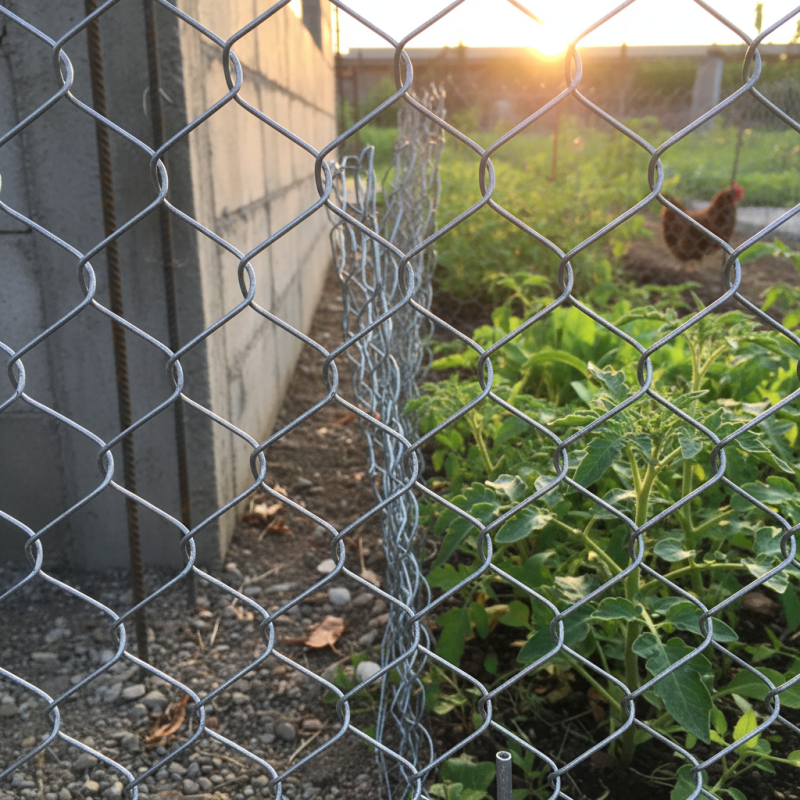
What is Hexagonal Wire Mesh?
Hexagonal wire mesh is a versatile material widely used in construction and landscaping. Made from twisted wires, it forms a hexagonal pattern. This design provides strength and flexibility, making it suitable for various applications. Interestingly, data from industry reports indicate that the global market for wire mesh products is projected to grow by over 5% annually. This shows increasing demand across several sectors.
Common applications of hexagonal wire mesh include animal enclosures, fencing, and soil erosion control. For instance, it is used to create protective barriers in gardens. Some landscape designers prefer it for its aesthetic appeal and functionality. Additionally, its use in gabion structures helps stabilize riverbanks and reduce soil erosion, which is becoming increasingly important as climate change impacts our environment.
Tip: When using hexagonal wire mesh, consider the gauge of the wire. A thicker gauge offers better durability. However, this can sometimes compromise flexibility. Make sure to evaluate your specific needs before making a selection. Over time, you may find that some projects require a mix of different gauges for optimal results. Remember, the best material choice often comes from a balance of strength and adaptability.
The Composition and Structure of Hexagonal Wire Mesh
Hexagonal wire mesh is a versatile material composed of intertwined steel or plastic wires. Its unique hexagonal shape provides strength and durability. The mesh features openings that are often used for various applications in both industrial and domestic settings.
Commonly made from galvanized steel, the mesh resists rust and corrosion. This makes it ideal for outdoor use. The structure allows for excellent airflow and drainage. Some designs incorporate a protective coating to enhance longevity. Hexagonal wire mesh comes in various sizes, allowing customization for different uses.
Tips: When selecting mesh, consider the specific application. The weight and thickness of the wire affect its strength. More robust designs suit high-stress environments better.
Moreover, mistakes can happen with installation. It's crucial to ensure the mesh is secured tightly. Loose installations may lead to limitations in functionality. Always review the area where the mesh will be placed.
The flexibility of hexagonal wire mesh makes it suitable for fencing, reinforcement, and even artistic projects. It’s used in landscaping and construction. However, note that improper use could limit its effectiveness. Evaluate your needs before making a purchase; that’s essential for optimal use.
Key Properties and Advantages of Hexagonal Wire Mesh
Hexagonal wire mesh is a versatile material with numerous applications across different industries. One of its key properties is flexibility. It can easily conform to various shapes, making it suitable for diverse uses. This adaptability is particularly valued in construction and landscaping. The hexagonal pattern provides excellent strength and stability, which are crucial in supporting structures or protecting areas from soil erosion.
Another advantage of hexagonal wire mesh is its durability. It is often made from robust materials like galvanized steel or PVC-coated wire. This enhances its resistance to weather elements, which is significant for outdoor applications. Many use it for fences, chicken coops, or garden borders. However, its strength does not mean it is invincible. Over time, exposure to harsh conditions can weaken it, leading to potential failures. Regular inspections can help identify wear before it becomes critical.
Hexagonal wire mesh is also cost-effective. It is affordable and requires minimal maintenance. This makes it appealing for individuals and businesses alike. Yet, the ease of installation benefits some users more than others. While many find it straightforward, others may struggle. Proper tools and guidance can make a difference in the outcome. Emphasizing its properties reveals a material that is both practical and reliable, though it still requires thoughtful application.
Common Applications of Hexagonal Wire Mesh in Various Industries
Hexagonal wire mesh is a versatile material widely used across various industries. In agriculture, it serves as a fencing solution, enhancing the protection of crops. According to a recent report by the Agricultural Wire Association, the global demand for agricultural fencing products is projected to grow by over 5% annually. This increase reflects the rising need to secure farmland against wildlife and maintain the health of livestock.
In construction, hexagonal wire mesh finds its place in retaining walls and erosion control. It holds soil together and allows for vegetation growth, reducing erosion risk. The Civil Engineering Journal highlights that the use of wire mesh can cut erosion rates by nearly 30% in steep terrains. However, the mesh can rust if not properly treated, which poses a challenge.
The mining industry also utilizes hexagonal mesh for ground support. It stabilizes rock formations and acts as a protective barrier for workers. Yet, the effectiveness of this application can vary based on local soil and rock conditions. Often, projects underestimate the need for proper assessment before installation. Thus, while hexagonal wire mesh has strong applications, ongoing evaluation is essential for optimal performance.
Installation and Maintenance of Hexagonal Wire Mesh Products
Hexagonal wire mesh is a versatile material, commonly used for fencing, construction, and landscaping. Proper installation and maintenance are crucial for its effectiveness and durability. When installing hexagonal wire mesh, ensure the area is clear of debris and obstacles. It's essential to select the right gauge for your specific needs. A tighter mesh may protect against small animals, while larger openings can provide less obstruction for plants.
During installation, consider the use of appropriate tools. Wire cutters, pliers, and a staple gun are useful for securing the mesh in place. Make sure to stretch the mesh taut across the desired area. This helps to avoid sagging, which can lead to a less secure barrier. Check the grounding and ensure that the mesh is well supported by posts or frames.
**Tip:** Regular inspection is key. Check for rust or wear in the mesh. If any damage is found, repair it promptly to prevent any further issues. Moisture can lead to degradation, so consider applying a protective coating if necessary. Also, remember that over time, the earth may shift or settle. Regularly adjusting and tightening the mesh can help maintain its effectiveness.