

What is Fork Lift Training and Why is It Important?
Fork Lift Training is essential for ensuring safety and efficiency in various industries. This training equips operators with the necessary skills to handle forklifts properly. Without proper training, the risk of accidents increases significantly. Each year, there are numerous injuries related to forklift operations, highlighting the importance of effective training programs.
Forklift operators must be knowledgeable about equipment operation and safety protocols. Good training covers the mechanics of forklifts and the proper procedures for loading and unloading materials. Participants often engage in hands-on practice, which is crucial for building confidence. However, not all training programs meet the necessary standards. Some programs may lack depth, leading to operators who feel unprepared for real-world challenges.
Moreover, regular refresher courses are necessary to maintain safety standards. Industries continually evolve, and so do best practices. By prioritizing Fork Lift Training, businesses can reduce accidents and improve overall efficiency. It's a responsibility that employers cannot overlook. Investing in quality training demonstrates a commitment to safety and employee well-being.
What is Forklift Training?
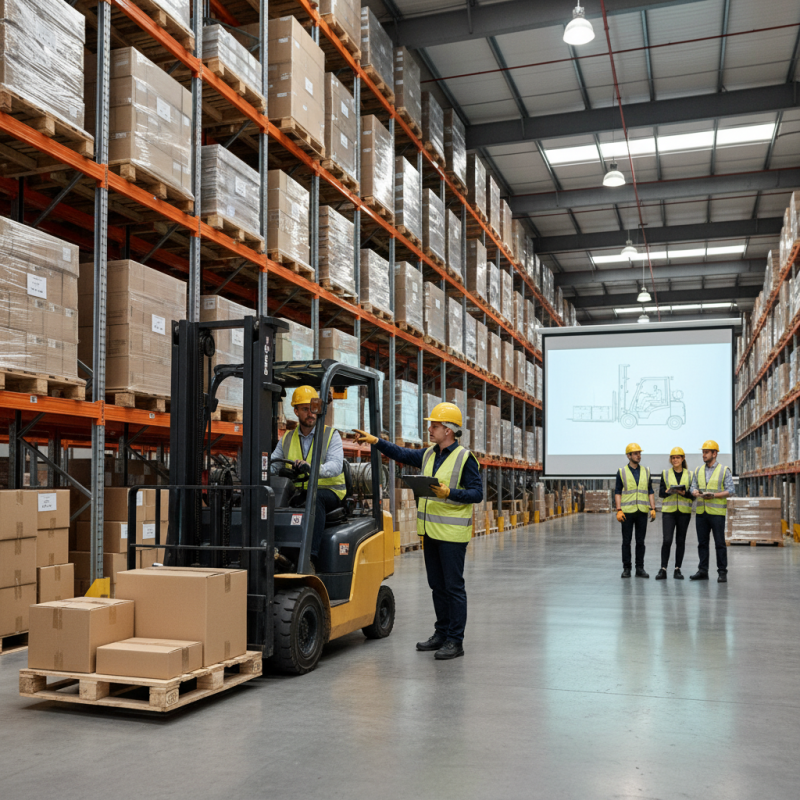
Forklift training is a structured program designed to equip operators with essential skills. This training covers various aspects of forklift operation, safety protocols, and maintenance. Understanding the machinery is crucial. Operators need to know how to manage loads properly and navigate different environments. The hands-on experience is vital for developing confidence and efficiency.
Safety is another critical dimension of forklift training. Many accidents stem from improper operation. Operators must learn about potential hazards on the job. This includes understanding weight limits and blind spots. Regular assessments and practical exercises can enhance a trainee's awareness. Mistakes can happen; reflecting on them is key to improvement.
Moreover, training should adapt to new technologies and methods. Forklifts evolve, and so do safety regulations. Continuous education ensures operators remain competent and confident. It's a dynamic process that requires commitment. A well-trained operator can significantly reduce workplace accidents. This promotes a safer environment for everyone involved.
The Importance of Forklift Training for Operators
Forklift training is crucial for operators and overall workplace safety. It is not just about knowing how to operate the machinery. Training ensures that operators understand safety protocols, proper handling methods, and operational limits. This knowledge helps prevent accidents, injuries, and costly damages.
Proper training also fosters confidence among operators. A well-trained operator can handle various scenarios, from tight spaces to uneven ground. It allows operators to recognize potential hazards and manage them effectively. However, without proper training, even experienced operators might make mistakes, leading to dangerous situations.
Continuous education is essential in the industry. As technology evolves, so do forklift models and safety regulations. Operators must stay updated on these changes. Regular refresher courses can be beneficial. They help address any knowledge gaps and reinforce best practices. Investing in comprehensive forklift training is a step towards a safer work environment for everyone.
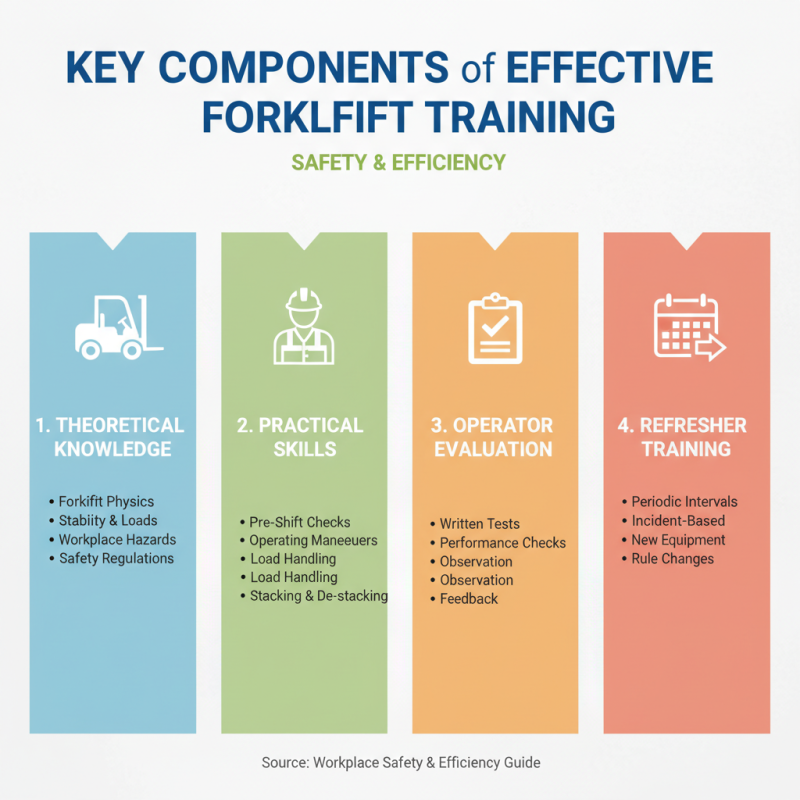
Key Components of Effective Forklift Training Programs
Forklift training programs are vital for workplace safety and efficiency. A quality training program covers several key components. Understanding these elements can greatly enhance the effectiveness of training.
Hands-on training is crucial. Operators need to practice in a safe environment. This helps them gain confidence and develop skills. Visual aids and demonstrations enhance understanding. Instructors should be knowledgeable, sharing insights from their experiences. Regular assessments ensure operators grasp essential concepts.
Another important aspect is the emphasis on safety protocols. Proper use of personal protective equipment is critical. Trainees must learn how to assess their surroundings. Identifying potential hazards can prevent accidents. Furthermore, ongoing training sessions can reinforce skills and knowledge. This ensures that operators stay updated on best practices and safety measures.
Regulatory Requirements and Standards for Forklift Training
Forklift training is crucial for ensuring workplace safety and compliance. Many regulatory bodies, such as OSHA, set clear standards for training operators. These standards require that operators are trained on equipment use, load handling, and safety protocols. Proper training minimizes accidents and injuries, protecting both workers and employers.
Organizations must adhere to these regulatory requirements or face penalties. Training programs should include practical and classroom components. This dual approach helps workers understand the theoretical aspects and the hands-on skills required. Inspectors often check for proper documentation. Lapses in training or nonexistent records can lead to serious consequences.
Employers should continuously review their training programs. Industry standards may evolve, necessitating updates. Regular assessments ensure that operators maintain their skills and stay informed about changes. Over time, complacency can creep in. Reviews and refreshers are vital to maintain a safe working environment. Forklift training not only meets compliance standards but also fosters a culture of safety.
Benefits of Forklift Training for Workplace Safety and Efficiency
Forklift training is essential in today's workplaces. It equips operators with the necessary skills to handle heavy machinery safely. Proper training reduces the risk of accidents significantly. Studies show that trained operators are less likely to cause injuries. This training emphasizes safety protocols and best practices. A clear focus on safety can create a positive work environment.
Effective forklift training enhances workplace efficiency. Trained operators can maneuver equipment swiftly and accurately. This efficiency leads to faster loading and unloading times. Companies can meet delivery deadlines with ease. However, some workplaces fail to prioritize ongoing training. This gap can lead to outdated practices that may hinder productivity.
The tangible benefits of forklift training are evident. Fewer accidents mean lower insurance costs. Employers save money and maintain a good reputation. In addition, a culture of safety attracts talent. Workers prefer environments where they feel secure. Investing in comprehensive training is a win-win for everyone involved.
Benefits of Forklift Training for Workplace Safety and Efficiency
Related Posts
-
The Future of Fork Lift Training: Innovations Shaping Safer Workplaces Worldwide
-
Elevate Your Skills with the Premier Forklift Training Program from Quality Focused Chinese Manufacturers
-
Unveiling the Top Forklifts Rental Options for Global Buyers to Consider
-
Maximizing Efficiency: A Comprehensive Guide to Choosing the Right Home Forklift for Your Needs
-
Exploring the 2025 Technological Trends Shaping the Future of Best Home Forklifts
-
How to Maximize Efficiency with Narrow Forklifts in Your Warehouse Operations
