What is Extruded Aluminum Profiles and How to Choose Them?
When exploring the world of construction materials, "Extruded Aluminum Profiles" stand out for their versatility and strength. Industry expert John Smith, a leading figure in aluminum fabrication, states, “Choosing the right extruded aluminum profiles can transform your project from concept to reality.” This quote highlights the essence of understanding these profiles in depth.
Extruded aluminum profiles are used in various applications, from architecture to automotive design. Their lightweight yet durable nature makes them a popular choice across industries. However, selecting the right profile can be challenging. Factors such as shape, size, and intended use must be carefully considered.
Understanding the specific needs of a project is crucial. This involves assessing load requirements and environmental factors. While some may overlook these details, they can significantly impact the final outcome. With the right knowledge, one can make informed decisions. Ultimately, the choice of extruded aluminum profiles can either enhance or hinder a project’s success.
What are Extruded Aluminum Profiles?
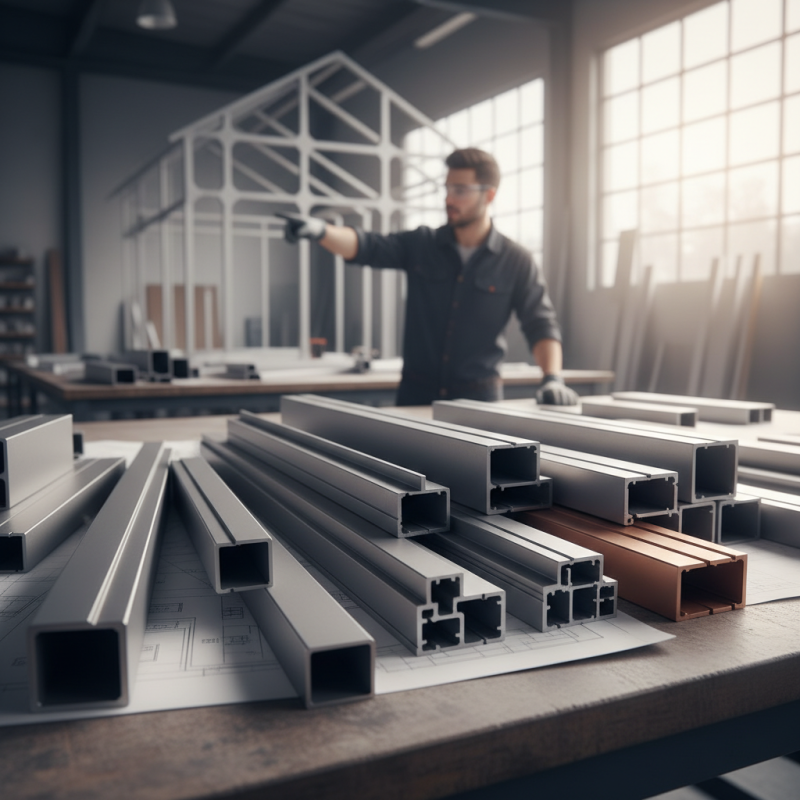
Extruded aluminum profiles are versatile materials used in various industries. These profiles are created by forcing aluminum through a shaped die. The result is a long piece of metal with a continuous cross-section. This process allows for the production of intricate shapes and designs that meet specific requirements. Common applications include framing, structural components, and architectural detailing.
When selecting extruded aluminum profiles, consider the intended use. Analyze the load-bearing capacity and resistance to environmental factors like corrosion. Not all profiles are suitable for every application, and making the right choice is crucial. A poorly chosen profile may lead to structural failures or increased costs.
Tips: Always check the weight tolerance of the profiles. Look into different alloy compositions. Some alloys offer better strength or corrosion resistance. Consider the finish as well, since this affects aesthetics and functionality.
Understanding your project's specific needs can prevent costly mistakes. Review industry standards and consult with experts if necessary. This ensures your materials align with best practices. Remember, extruded aluminum profiles can be tailored, but you must know what you need to make a wise choice.
The Manufacturing Process of Extruded Aluminum
The manufacturing process of extruded aluminum involves several critical steps. It starts with aluminum billets being heated. This heating makes the metal malleable and easier to shape. The heated billets then go through a die, which shapes them into profiles. This process requires precision to achieve desired dimensions and characteristics.
Care must be taken throughout this process. Improper heating can lead to defects. Overheating or uneven temperatures create weak points in the final product. Additionally, the extrusion die plays a crucial role. A poorly designed die can cause uneven flow of aluminum, resulting in inconsistencies.
After extrusion, the profiles often undergo further treatments. These can include anodizing or powder coating for added protection. Each step should be monitored closely. A lack of attention to detail can affect the finish and durability. The entire process reflects the importance of careful planning and execution in aluminum profile manufacturing.
Extruded Aluminum Profiles - Production Volume by Application (2022)
Key Applications of Extruded Aluminum Profiles
Extruded aluminum profiles play a crucial role in various industries. They are widely used in construction, automotive, and aerospace sectors. Their versatility makes them suitable for different applications. For instance, in the construction industry, these profiles can be found in window frames, curtain walls, and roofing systems. Their lightweight nature reduces transportation costs, while their strength ensures durability.
Another significant application is in the automotive sector. Custom-designed aluminum profiles are employed in car bodies and chassis. This helps achieve fuel efficiency, as lighter materials improve overall performance. In the aerospace field, extruded aluminum is essential for aircraft components. The need for strong yet lightweight materials drives its usage here.
Choosing the right extruded aluminum profile requires a good understanding of these applications. Each project has unique requirements. Sometimes, it’s difficult to determine which profile is most suitable. Reflecting on the material's properties, such as corrosion resistance and thermal conductivity, can help make informed decisions. Balancing specifications with budget constraints adds another layer of complexity.
What is Extruded Aluminum Profiles and How to Choose Them? - Key Applications of Extruded Aluminum Profiles
| Application | Key Features | Material Grades | Common Sizes |
| Construction | Durable and lightweight | 6061, 6063 | 20mm x 20mm to 100mm x 100mm |
| Automotive | Corrosion resistance | 5754, 6061 | 25mm x 25mm to 50mm x 50mm |
| Electronics | Thermal conductivity | 6063 | 10mm x 10mm to 30mm x 30mm |
| Aerospace | Lightweight and strong | 7075, 6061 | 15mm x 15mm to 50mm x 50mm |
| Furniture | Stylish and functional | 6063 | 20mm x 20mm to 40mm x 40mm |
Factors to Consider When Choosing Extruded Aluminum
When choosing extruded aluminum, several factors must be considered. First, think about the intended application. Different projects require different strength levels and corrosion resistance. For instance, components in marine environments need higher corrosion resistance. The thickness of the profile also plays a crucial role. Thicker profiles often provide increased durability. However, they can add unnecessary weight.
Another factor is the finish of the aluminum. Various surface treatments, such as anodizing or powder coating, can enhance appearance and protection. Anodized finishes offer excellent longevity. However, they might limit design flexibility. It's imperative to evaluate your project’s aesthetic requirements alongside performance needs.
Consider the environmental impact too. Opt for suppliers focusing on sustainability. Recycling aluminum is energy-efficient and reduces waste. Reflect on your choices: Are they eco-friendly? Are they efficient? Balancing performance with these considerations can lead to better outcomes.
Tips for Selecting the Right Extruded Aluminum Supplier
Choosing the right extruded aluminum supplier can make or break your project. The global aluminum extrusion market is projected to reach $98.67 billion by 2025, emphasizing its significance in various applications. When selecting a supplier, consider their experience and expertise in the industry. Look for long-standing companies with proven track records. Their knowledge often correlates with product quality and customer service.
It’s crucial to examine their production capabilities. A reliable supplier should offer a range of profiles and custom solutions. Check if they use advanced techniques and technology in their manufacturing process. Certifications, such as ISO 9001, indicate adherence to quality management standards. Suppliers with these certifications often have more rigorous controls and quality checks.
Here are a few tips for selection:
- **Request samples** to evaluate the quality first-hand.
- **Discuss lead times** to ensure they can meet your project deadlines.
- **Understand their customer service** approach. Good communication is essential for a successful partnership.
While many suppliers may present attractive offers, do not overlook the importance of reputation. Evaluate feedback from previous clients. A few negative reviews can reflect larger issues. Make informed decisions to avoid potential setbacks in your projects.