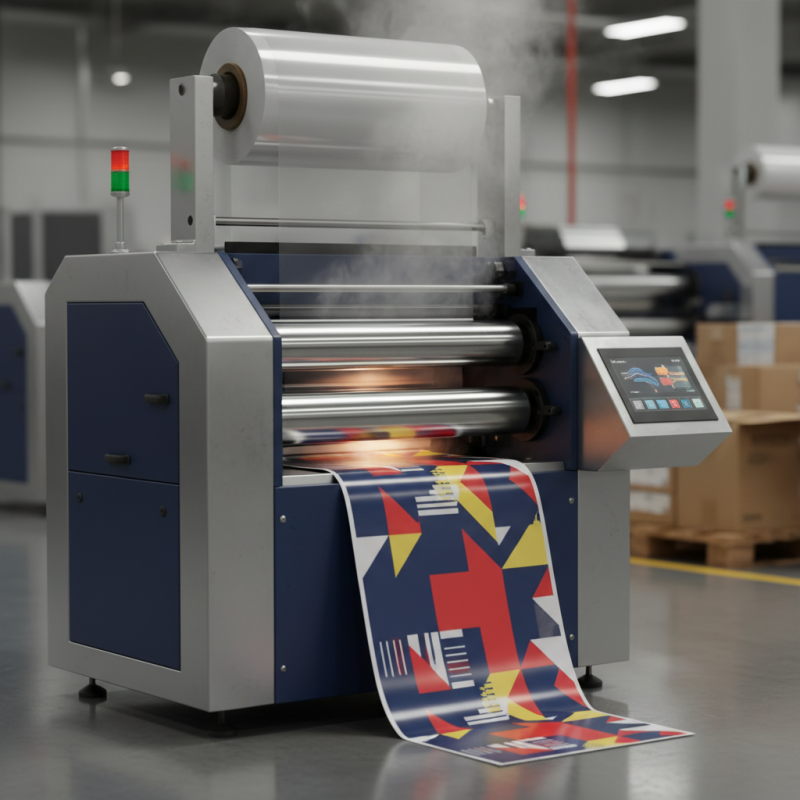
Digital Best Roll Lamination Machine How It Works and Benefits?
The Roll Lamination Machine is a powerful tool in modern manufacturing. It enhances product durability and provides a professional finish to various materials. Understanding how it works can unlock significant benefits for businesses.
This machine applies a protective layer to documents, graphics, and packaging. By using heat and pressure, it seals these items securely. Many industries, from print to packaging, rely on this technology for high-quality outcomes. However, it is not without its challenges. Operators must maintain proper temperature settings to prevent damage.
The benefits are clear. The Roll Lamination Machine offers protection against moisture, dirt, and wear. It elevates the quality of printed materials. Yet, businesses must weigh costs and efficiency. Investing in this machine can be a game-changer, but it requires careful consideration.
Understanding the Digital Best Roll Lamination Machine: An Overview
The Digital Best Roll Lamination Machine is a revolutionary equipment. It enhances the lamination process significantly. This machine is designed for efficiency and precision. According to industry reports, the global lamination market is projected to reach $2.5 billion by 2025. This highlights the growing demand for advanced lamination technologies.
Digital roll lamination offers distinct advantages. It allows for faster production times while maintaining high-quality finishes. A study found that businesses saw a 30% increase in productivity after adopting digital lamination solutions. It reduces waste and lowers operational costs. However, not every user maximizes its potential. Proper training and understanding of machine settings are crucial.
The machine’s versatility cannot be overlooked. It can handle various materials, from paper to plastics. Yet, it requires regular maintenance to prevent issues. Neglecting this can lead to downtime and increased repair costs. Users must continuously learn best practices. Embracing this technology could redefine operational efficiency in laminating processes.
The Mechanism of Operation: How the Machine Works Explained
The digital best roll lamination machine operates through a streamlined process that enhances durability and appearance. It uses heated rollers to apply a protective film over printed materials. This film can be gloss or matte, depending on the desired finish. The rolls feed the paper into the machine, where it is heated and pressed, ensuring an even application of the laminate.
One key component is the temperature control. If it's too low, the laminate won't adhere properly. Too high, and the material may warp. The balance here is delicate. Operators need to adjust settings based on the material type. It’s essential to conduct tests before running full batches. Efficiency comes with practice, but mistakes can occur. A small oversight might lead to waste or product inconsistency.
Besides enhancing aesthetics, lamination provides protection against moisture and wear. This machine can process large volumes quickly, saving time. However, it's not infallible. Regular maintenance is vital to prevent breakdowns and ensure quality. Operators must be vigilant for signs of wear or malfunction. Such diligence can mean the difference between success and a costly error in production.
Key Features of Digital Best Roll Lamination Machines
Digital roll lamination machines are transforming how businesses handle document protection and presentation. Key features of these machines include high-speed processing and user-friendly interfaces. Industry reports indicate that these machines can operate at speeds up to 100 feet per minute. This efficiency saves time and boosts productivity in busy environments.
Another crucial feature is the precision of lamination. Many machines offer adjustable temperature and pressure settings. This allows users to fine-tune the lamination process based on material type. Research shows that proper settings can enhance adhesive bonds by up to 30%. This may reduce the risk of delamination over time.
However, not all machines meet expectations. Some users report issues with consistency in output quality. This can lead to wasted materials and increased operational costs. Regular maintenance is often overlooked, impacting performance. It's essential to evaluate the long-term reliability of these machines. Industry insights suggest that investing in user training can mitigate these challenges.
Digital Best Roll Lamination Machine - Performance Overview
Advantages of Using Lamination in Various Applications
Lamination has become essential in various industries. It enhances the durability and aesthetics of materials. Research shows that laminated products can last up to 25% longer than non-laminated ones. This is crucial for businesses aiming for longevity in packaging and display materials.
Additionally, lamination provides excellent protection. It shields items from moisture, dirt, and UV damage. Reports indicate that businesses experience a 30% reduction in product returns when using laminated packaging. This significantly impacts profit margins in competitive markets. For educational materials, lamination ensures textbooks withstand heavy use, extending their life and effectiveness.
Tips: Always evaluate the thickness of the laminate. A thicker layer may offer better protection but can add weight. Consider the application when choosing the type of lamination. Mistakes in this decision can lead to increased costs.
Incorporating lamination into marketing materials also elevates brand perception. Consumers often associate quality with well-presented items. However, there can be drawbacks. Overusing lamination on simple projects may lead to unnecessary expenses. Reflect on the true value added by lamination in each case.
Maintenance Tips for Prolonging the Life of Your Lamination Machine
Maintaining a digital best roll lamination machine is crucial for longevity. Regular inspection of the machine components can prevent bigger issues later. Check the rollers and heating elements frequently. Dust and debris can accumulate. Even a small particle can affect the lamination quality. Keep your workspace clean to avoid unnecessary problems.
Lubrication is another essential step. Use the recommended lubricant, but don’t overdo it. Too much can cause buildup and interfere with the machine's performance. Document your maintenance schedule for better tracking. This will help you identify when the machine needs attention. Understand that delays in maintenance can lead to costly repairs.
Finally, operator training is key. Improper use can lead to wear and tear. Make sure everyone understands the machine's functions. Regularly discuss any challenges faced during operation. This could lead to better practices. It's a learning process, and improvement is always possible. Being proactive can pay off significantly in the long run.