Why Does Disposable Food Container Mold Develop?
Mold is a common issue in food storage, especially in disposable food containers. According to food safety expert Dr. Emily Chen, "Disposable food containers can create a perfect environment for mold." This emphasizes the crucial need to understand the factors contributing to Disposable Food Container Mold.
Often, improper sealing leads to moisture accumulation. High humidity levels promote mold growth. Many consumers overlook the importance of ventilation. Simply putting leftovers in a sealed container doesn't guarantee safety.
Inadequate awareness about expiration dates also plays a role. Expired foods can trigger mold development. Recognizing these risks can be the first step toward minimizing mold in disposable containers. It's essential to be proactive and not dismiss the issue lightly. Mold might seem invisible at first, but it can quietly grow, posing health risks. Addressing Disposable Food Container Mold requires attention and understanding.
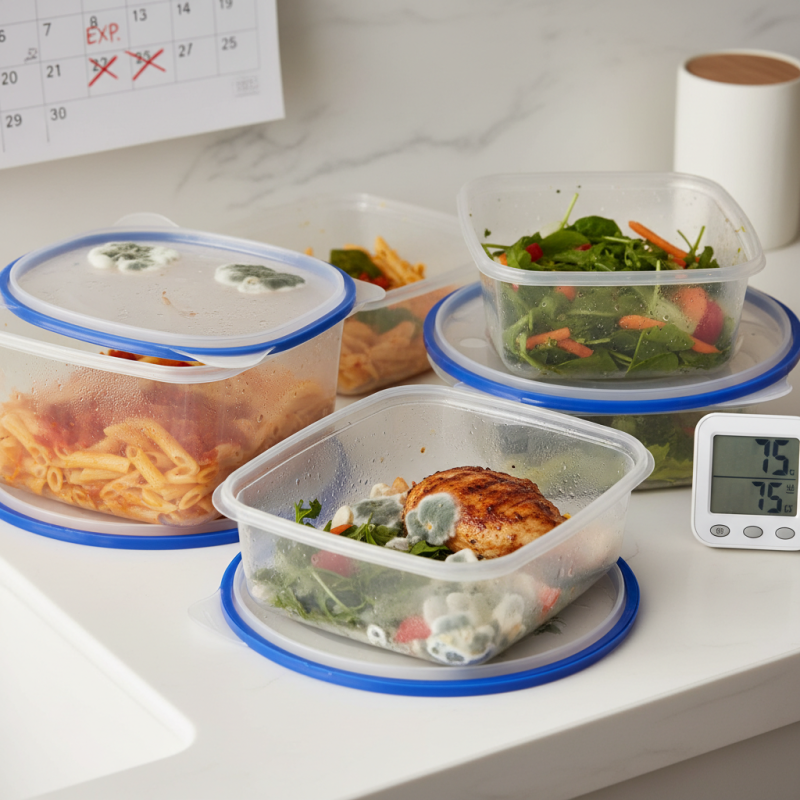
Factors Contributing to Mold Growth in Disposable Food Containers
Mold can thrive in disposable food containers due to several factors. One major contributor is moisture. If food containers are not fully dried before storage, residual moisture creates a perfect environment for mold growth. Even small amounts of water can lead to the development of spores. It's essential to ensure containers are completely dry.
Temperature also plays a vital role. Warm environments encourage mold proliferation. Leaving disposable containers in a warm pantry can lead to growth over time. It's best to store these containers in a cool, dry place.
Here are some tips to minimize mold growth:
- Rinse and dry containers thoroughly after use.
- Store them in a cool, dark place.
- Do periodic checks to spot any signs of mold early.
- If you notice any discoloration, it’s best to throw the container away.
- Even the tiniest amount of mold can be harmful.
- Regular cleaning routines can help maintain a mold-free environment.
Common Types of Mold Found in Food-Related Environments
Mold thrives in food-related environments, especially where moisture is present. Common types include Aspergillus, Penicillium, and Rhizopus. Each type has unique characteristics and can impact food safety. Aspergillus often appears as a greenish or blackish mold and can produce harmful toxins. It loves to grow on grains and nuts.
Penicillium is frequently spotted on fruits and cheeses. It can sometimes have a blue or green hue, creating a fuzzy appearance. While some varieties are harmless, others can spoil food quickly. Rhizopus, known for its rapid growth, is often found on bread. It appears as a fuzzy white mass that turns black over time.
Inadequate cleaning of containers contributes to mold development. Using damp or dirty food containers can create a breeding ground. Many people might overlook these details. They may think that washing is enough. However, items can still harbor spores between washes. Addressing these issues could prevent mold in the kitchen. Simple changes in storage habits can make a big difference.
Environmental Conditions Favoring Mold Development
Mold development in disposable food containers is a common issue. Several environmental conditions contribute to this problem. Warm, humid areas are ideal for mold growth. When food containers are left unnoticed, moisture builds up inside. Mold spores thrive in these damp conditions.
Additionally, food residues can feed mold. Even small bits of leftover food can create a breeding ground. Many people overlook cleaning containers properly. They assume washing is enough, but it often isn't. If any residue remains, mold can find a way to flourish.
Temperature plays a crucial role in mold growth. Environments above 70°F are particularly risky. The warmer the environment, the faster mold can develop. Users often underestimate the importance of proper storage too. Sealing containers tightly may help but isn’t a foolproof solution. Mold can still sneak in. Managing these factors is crucial for preventing unwanted mold in disposable food containers.
Preventive Measures for Reducing Mold in Disposable Containers
Mold can thrive in disposable food containers due to moisture and organic materials. These containers often hold leftover food, creating an ideal environment for mold development. The combination of warmth and humidity accelerates the growth process. Leftovers that are left uneaten attract bacteria and fungi. Many people overlook the importance of proper storage.
To reduce mold, always clean containers before use. Rinse leftover food thoroughly. It's vital to store containers in a cool, dry place. Ventilation can greatly improve the situation. Consider using a silica gel packet inside the container to absorb excess moisture. Remember, mold can develop even on seemingly clean surfaces.
Pay attention to expiration dates on containers. Discard any that show signs of wear or damage. Check for discoloration or strange smells. These could indicate the presence of mold. Regularly inspect your food storage practices. Awareness can significantly minimize the chances of mold growth in disposable food containers.
Impacts of Mold on Food Safety and Human Health
Mold is a significant concern when it comes to disposable food containers. It thrives in warm, moist environments. Once mold develops, it can contaminate food. Many consumers overlook the potential dangers mold poses. Some might think a little mold is harmless. However, this can lead to serious health issues.
Mold produces mycotoxins, which are toxic substances. Consumption of mycotoxins can result in food poisoning. Symptoms include nausea, vomiting, and diarrhea. In severe cases, prolonged exposure may affect the immune system. Vulnerable individuals, such as children and the elderly, face higher risks. Even when the mold is removed, mycotoxins may linger.
People often forget to properly clean their containers. Leftover food and moisture create a breeding ground for mold. This negligence can lead to dangerous situations. We often trust our senses, dismissing visible mold as a threat. Educating oneself about food safety and proper storage methods is crucial. A little awareness can prevent health risks associated with moldy containers.