How to Choose the Right Spider Coupling for Your Application?
Choosing the correct spider coupling for your application can be challenging. Various factors influence the decision, such as load requirements and operating speed. A spider coupling is essential in various industries, including manufacturing and automotive. Each application has unique needs, making it crucial to consider both the technical specifications and the operational environment.
When selecting a spider coupling, think about the torque capacity. It should match your power transmission requirements closely. Additionally, pay attention to the material of the coupling. The wrong material can lead to premature wear and unexpected failures. Look for options that suit environmental conditions, like temperature and moisture levels.
An often-overlooked aspect is the coupling’s maintenance. Regular inspections can prevent major issues, but many neglect this step. Reflect on how your team's understanding of spider couplings affects performance. Making the right choice involves understanding both the benefits and limitations. In the end, a thoughtful selection process can lead to better efficiency and less downtime.
Understanding Spider Couplings and Their Functionality
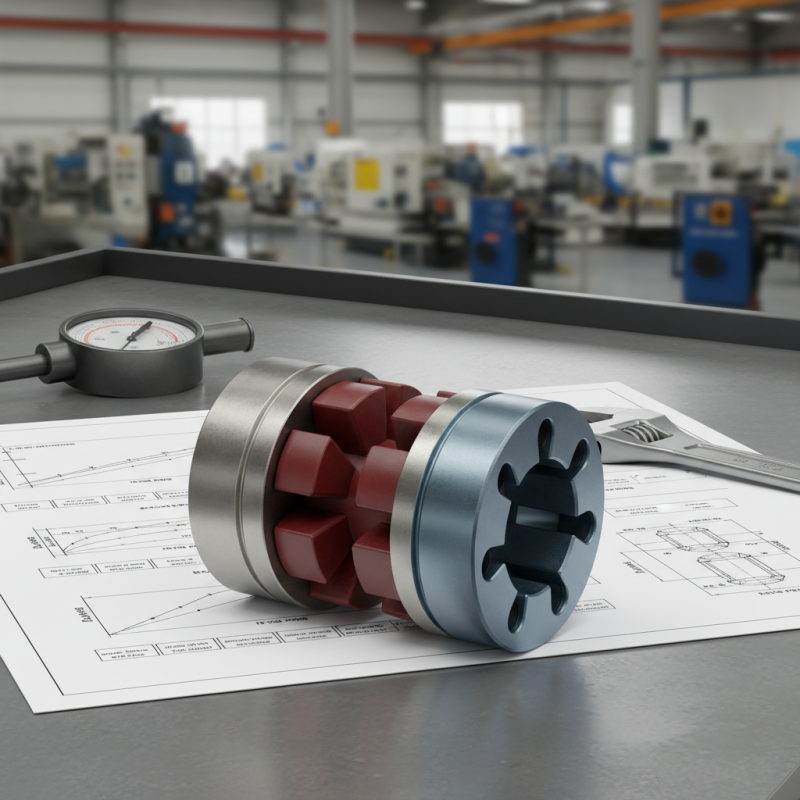
Spider couplings are essential components in mechanical systems. They connect two shafts, allowing for the transmission of torque while accommodating misalignment. This flexibility is vital in applications where precision is crucial. According to industry reports, effective vibration damping can enhance machinery life by up to 40%. Spider couplings serve this purpose well, absorbing shocks and reducing wear.
Different types of spider couplings are available. Materials like rubber and polyurethane are common, each offering unique benefits. Research indicates that polyurethane can withstand higher loads and temperatures compared to rubber. This advantage often makes it the preferred choice in harsh environments. However, the trade-off is in flexibility; rubber couplings may allow for better misalignment compensation.
It’s crucial to consider the application needs. A coupling that works in one setting may not perform well in another. For instance, high-speed operations might require more precise couplings. In contrast, low-speed systems could afford more tolerance for flexibility. Therefore, understanding your specific requirements can lead to more informed decisions. Evaluate all factors carefully before choosing the right spider coupling.
Key Factors to Consider When Choosing a Spider Coupling
When choosing a spider coupling, there are key factors to consider. The application’s torque requirements are crucial. Calculate the maximum torque to select a coupling that can handle the load. Check the size and dimensions too. A proper fit prevents misalignment and reduces wear.
Material selection matters significantly. Common materials include rubber, polyurethane, and metal. Each material offers different flexibility and durability. Consider the environment as well. If the coupling will face harsh conditions, a more robust material is essential.
Finally, ease of maintenance shouldn't be overlooked. Some couplings require more frequent checks and replacements. This might lead to downtime. The right choice balances performance with maintenance needs. Reflect on your application’s demands and make an informed decision.
Types of Spider Couplings and Their Applications
Spider couplings are essential in various applications. They provide flexibility and accommodate misalignment in drive systems. Choosing the right type can be challenging. Understanding the different types helps make better decisions.
There's the jaw type spider coupling. It's robust and can handle high torque. Ideal for heavy machinery, it offers durability. Next is the gear type. This type is excellent for high-speed applications. It reduces noise and vibrations effectively. Then there’s the elastomeric type, known for shock absorption. It’s suitable for sensitive equipment and offers smoother operation.
Each type has its strengths and weaknesses. The key is to analyze your specific needs. Consider speed, torque, and misalignment degree. Relying on generalizations can lead to mistakes. Every application is unique, and it’s crucial to reflect on your choices. Finding the right balance ensures optimal performance. Take your time to evaluate and choose wisely.
How to Choose the Right Spider Coupling for Your Application?
| Type of Spider Coupling | Material | Torque Range (Nm) | Applications |
| Standard Spider Coupling | Polyurethane | 10 - 200 | General machinery, conveyors |
| Heavy-Duty Spider Coupling | Nitrile Rubber | 200 - 800 | Industrial pumps, large motors |
| Flexible Spider Coupling | EPDM Rubber | 5 - 150 | Fans, light machinery |
| High-Temperature Spider Coupling | Silicone | 50 - 300 | Ovens, furnaces |
| Anti-Vibration Spider Coupling | Neoprene | 20 - 250 | HVAC systems, compressors |
Determining Load Requirements for Your Specific Use Case
When selecting a spider coupling, understanding load requirements is crucial. Each application has unique demands. Weight, torque, and speed all play key roles in defining these requirements. You must assess the operational setting and the expected performance. A miscalculation here can lead to failure. It's important to take time and consider all aspects.
Consider the peak load versus the nominal load. The peak can exceed the nominal by a significant margin. This discrepancy can affect the choice of coupling type. Analyze your machinery and its operation cycles. Sometimes, specific applications may introduce unexpected forces. These factors require careful thought.
Don’t overlook backlash and vibration issues. These can impact performance in subtle yet significant ways. Choosing a coupling that can handle dynamic loads is essential. You also want to pay attention to temperature variations. Materials may react differently under varying conditions. It’s not uncommon to encounter scenarios where initial assumptions lead to challenges later on. Reflect on your choices. Engage with experts when uncertainties arise.
Maintenance Tips for Ensuring Longevity of Spider Couplings
Choosing the right spider coupling can greatly influence the performance and efficiency of your machinery. However, maintaining these couplings is crucial for their longevity. Proper maintenance can prevent unexpected breakdowns and costly repairs.
Regular inspections are essential. Check for wear and tear on the spider elements. Look for cracks or any signs of excessive wear. A simple visual inspection can save you time and money.
Lubrication is key. Ensure that the coupling is lubricated as per the manufacturer’s recommendations. This can help reduce friction and wear on the components.
Additionally, consider the operational environment. If your machinery operates in extreme conditions, additional attention may be needed. Dust and debris can compromise performance. Cleaning the couplings regularly will help maintain their efficiency.
Pay attention to alignment as well. Misalignment can lead to premature failure. Always realign after any maintenance work. These tips can significantly enhance the lifespan of your spider couplings.