How to Choose a Hot Melt Coating Machine?
Choosing the right Hot Melt Coating Machine can affect product quality, production speed, and operating costs. The decision begins with the coating material, substrate, and final application. Adhesive viscosity matters. So does thermal stability.
In practical production, I have seen machines perform differently under similar conditions. A unit may coat evenly at 20 meters per minute, then struggle after temperature changes. Small details matter. No machine is perfect.
Reliable selection requires more than comparing catalog prices. Check the usable coating width, heating zones, pump accuracy, and temperature control range. Confirm whether the machine supports your adhesive type and substrate thickness. Film, foil, paper, and nonwoven materials may require different unwinding and tension systems.
Ask for verified test results.
A dependable supplier should explain coating weight tolerance, line speed, maintenance needs, and spare-part availability. Demonstrations using your actual material can reveal problems that brochures often hide. Request clear information about safety controls, operator access, electrical standards, and installation support. These factors influence long-term reliability.
The best Hot Melt Coating Machine is not always the fastest model. It should match your process without creating unnecessary waste or complicated adjustments. Energy consumption deserves attention, especially when several heating zones run continuously. I would also examine cleaning procedures, because hardened adhesive can interrupt production quickly.
Some decisions remain uncertain until testing begins. That is normal. A careful comparison, supported by supplier experience and documented performance, can reduce expensive mistakes. This guide explains the main selection criteria and the questions worth asking before purchase.
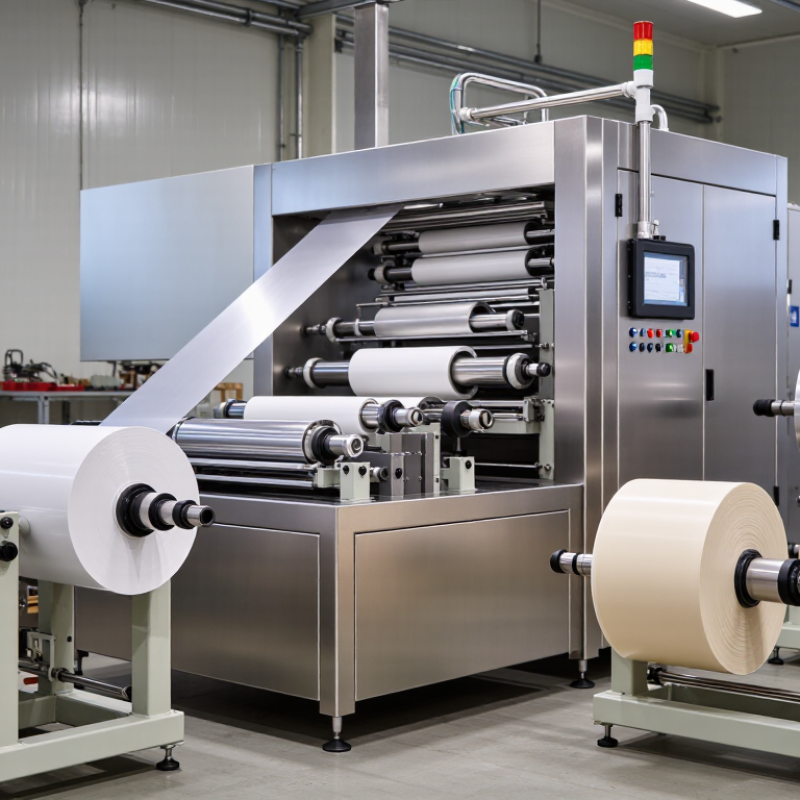
Define Your Hot Melt Coating Requirements
Choosing a hot melt coating machine begins with a precise definition of your process. Identify the substrate first: paper, film, foil, foam, or nonwoven material. Record web width, line speed, roll diameter, and required coating weight. A small error here can create edge beads, wrinkles, or uneven bonding.
Define the adhesive window. Note viscosity at operating temperature, melting range, open time, and target coat weight. For example, a 20 gsm application at 80 m/min needs different pump stability than a 60 gsm application at 25 m/min. Ask for heated hose capacity, slot-die tolerance, temperature control, and cleaning access. Safety matters too. Insulation, guarding, and reliable thermal alarms reduce exposure to hot surfaces.
Industry data supports careful planning. MarketsandMarkets estimated the hot melt adhesives market at USD 10.3 billion in 2023. It projects USD 13.6 billion by 2028, with a 5.7% CAGR. The report links growth to packaging, hygiene, transportation, and assembly applications. Smithers also identifies flexible converting and nonwoven products as important demand areas. These figures do not select a machine for you. They only show why flexible equipment matters. A neat specification sheet can still mislead. Pilot trials should test startup waste, coating stability, splice behavior, and adhesive degradation. Measure real production conditions, not laboratory optimism. Then compare machines by usable output, not maximum advertised speed. That difference is easy to miss.
Compare Hot Melt Coating Machine Types
How to Choose a Hot Melt Coating Machine?
Compare Hot Melt Coating Machine Types
Choosing a hot melt coating machine starts with the material, not the machine name. Adhesive viscosity, coating weight, web width, and production speed affect every decision. A slot die coater suits precise, continuous layers. It can deliver stable coating weights across wide films, foams, and fabrics. The die gap requires careful adjustment. Tiny errors can create visible streaks.
Roll coating machines offer strong flexibility for pressure-sensitive adhesives and thicker layers. The rotating roll controls transfer, while heated surfaces help maintain flow. This design is often easier to inspect during production. However, exposed rollers may increase cleaning demands. A small buildup near the edge can become a serious defect.
Curtain coating machines create a falling film across the moving substrate. They work well for broad, even coverage and selected multilayer applications. Their performance depends on steady temperature and controlled material flow. Spray systems can handle irregular surfaces, but overspray and coat-weight variation need close monitoring. They are not automatically the best choice.
Think about daily operation. Can operators reach the melt tank safely? Are heated hoses short enough to reduce heat loss? Does the control system record temperature, pressure, and speed? These details matter more than impressive output claims. In practice, the fastest machine may waste adhesive during startup. That weakness is easy to overlook. Test the actual substrate before purchasing, because laboratory results can feel surprisingly optimistic.
Evaluate Key Machine Specifications
How to Choose a Hot Melt Coating Machine?
Evaluate the working width, coating speed, and material thickness before comparing machine prices. The coating width should match your actual products, not an imagined future order. A machine that is too wide may waste adhesive and increase cleaning time. Check whether the line maintains stable coating at both low and high speeds. Uniformity matters more than impressive maximum speed. Ask for test data showing coating weight variation across the web.
Temperature control deserves close attention. Review the number of heating zones, sensor accuracy, and response time. Different hot melt materials may require different temperature ranges and residence times. The pump must deliver steady pressure without damaging adhesive structure. Confirm its capacity at your target viscosity and production speed. Small details matter here. Also inspect the die gap adjustment, web tension system, and unwind and rewind capacity. Poor tension can create wrinkles, edge beads, or uneven coverage.
Controls should display temperature, speed, pressure, and coating weight clearly. Operators need quick access during a real production change. Safety guards, emergency stops, ventilation, and maintenance access should be evaluated on site. A compact layout may look efficient, but cramped cleaning points can slow every shift. I would request a trial using your actual substrate and adhesive. Sample results can reveal problems that specifications hide. No machine is perfect. Allow room for calibration errors, operator learning, and future process changes.
Assess Safety, Maintenance, and Total Operating Costs
When choosing a hot melt coating machine, safety should be judged beside the production line, not only in a brochure. Check guarding, emergency stops, temperature alarms, and pressure relief systems. Operators should reach cleaning points without touching heated surfaces. The U.S. Bureau of Labor Statistics recorded 2.6 million nonfatal workplace injuries and illnesses in private industry in 2023. That figure is not specific to coating equipment, but it reinforces a practical lesson: small access hazards deserve serious attention.
Maintenance design directly affects operating cost. Look for tool-free access, removable filters, clear adhesive paths, and service records that show component life. Ask how often pumps, hoses, nozzles, and sensors require replacement. The U.S. Department of Energy’s Operations and Maintenance Best Practices Guide notes that operations and maintenance can represent about 60% of a facility’s life-cycle cost. A cheaper machine may become expensive after repeated stoppages. We have seen maintenance estimates miss labor time. That is an easy mistake.
Calculate total cost over five years, not just the purchase price. Include electricity, adhesive waste, warm-up time, spare parts, training, cleaning labor, and lost production during faults. Measure coating consistency, because uneven application can create hidden material losses. Request trial data using your actual adhesive and substrate. A 1% waste rate sounds harmless. Across continuous production, it may become a serious expense. Keep the calculation honest, even when the result challenges the preferred machine.