How to Choose the Right Bottom Roller for Your Project?
Choosing the right Bottom Roller for your project is crucial. It can significantly impact the efficiency and effectiveness of your work. The bottom roller plays a key role in various applications, from conveyor systems to outdoor terrain vehicles. Selecting an appropriate roller involves understanding your project's specific needs.
To begin, consider the material and size of the bottom roller. These factors directly influence durability and performance. A roller that is too small may wear out quickly. Conversely, a roller that is too large can cause operational issues. It's essential to strike a balance that suits your requirements.
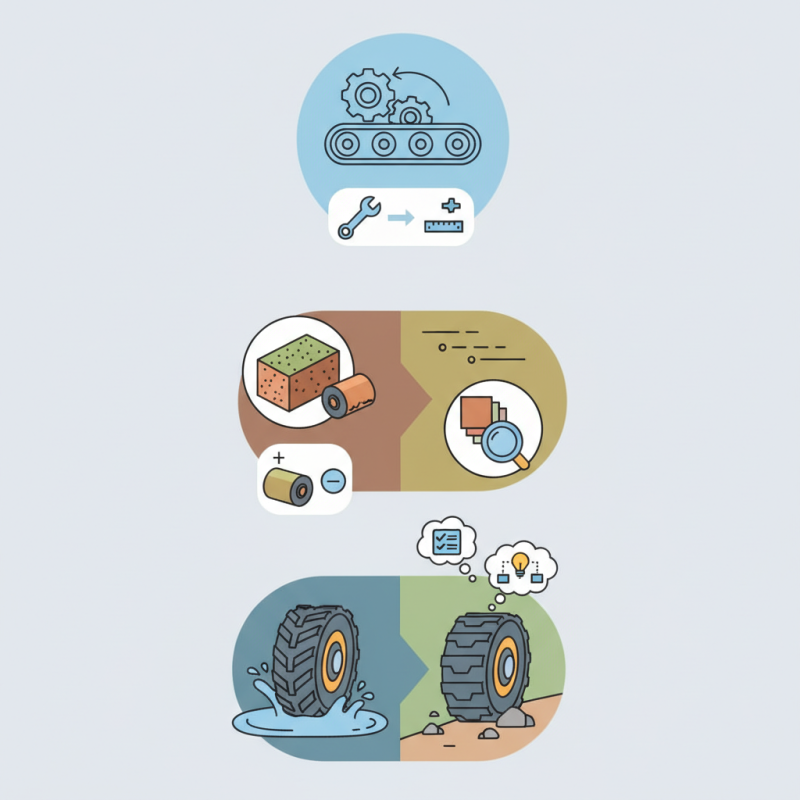
Moreover, think about the environment where the roller will be used. Different terrains and conditions demand unique features. For example, rollers used in wet conditions must offer better traction. A thorough evaluation of your needs will lead to better choices. Common mistakes occur when users overlook these details. Reflection on past project experiences can provide valuable insights.
Factors to Consider When Selecting Bottom Rollers for Industrial Use
Choosing the right bottom roller is crucial for any industrial project. When selecting bottom rollers, several factors come into play. First, consider the load capacity. Bottom rollers must handle the weight they will bear without failure. Assess the working environment too. For high-temperature settings, rollers need specific materials to resist heat.
Material composition is another key aspect. Steel rollers often offer durability but may weigh more. Composite or plastic rollers reduce weight but may lack strength. Evaluate the roller's diameter as well. A larger diameter can enhance stability but may not fit all designs.
Installation ease is important too. Some rollers may require special tools or expertise. Convoluted designs can lead to mistakes and delayed project timelines. Lastly, always think about maintenance. Rollers need regular checking to function well. An overlooked detail can cause serious issues later.
Distribution of Factors to Consider When Selecting Bottom Rollers
Material Types and Their Impact on Bottom Roller Performance
When selecting a bottom roller for your project, material type is crucial. Common materials include steel, plastic, and rubber. Each has unique properties affecting performance. Steel is durable and cost-effective but can be heavy. Plastic offers lightweight handling but may wear faster under heavy loads. Rubber provides excellent grip but can deform over time.
Consider your project needs. Steel works well for construction applications. Plastic is ideal for light-duty scenarios. Rubber is best for environments needing noise reduction. You might need to balance durability with weight. This helps in decision-making without over-engineering solutions.
**Tips:** Always test materials in real conditions. Real-world performance often varies from expectations. Document any issues during testing to refine your choices. Stay open to alternative materials as innovations emerge. This mindset can lead to discovering better options than initially considered.
How to Choose the Right Bottom Roller for Your Project? - Material Types and Their Impact on Bottom Roller Performance
| Material Type | Durability | Cost | Weight | Temperature Resistance | Load Bearing Capacity |
| Steel | High | Medium | Heavy | -20°C to 200°C | High |
| Plastic | Medium | Low | Light | -10°C to 80°C | Medium |
| Rubber | Medium | Medium | Medium | -20°C to 100°C | Medium |
| Aluminum | Medium | High | Light | -50°C to 150°C | Medium |
| Composite | High | Medium | Light | -60°C to 200°C | High |
Load Capacity and Weight Distribution: Finding the Right Specifications
Selecting the appropriate bottom roller requires a keen understanding of load capacity and weight distribution. Research indicates that a bottom roller with a load capacity rated for at least 50% more than your project's maximum expected load is ideal. This safety margin helps prevent operational failures. An example from a study showed that exceeding the load limit affects roller longevity and increases maintenance costs significantly.
Weight distribution plays an essential role in functionality. Properly distributing weight across rollers can enhance stability and reduce wear and tear. Reports suggest that uneven weight distribution can lead to premature roller failure. A practical guideline is to maintain a weight distribution ratio of 3:1 across multiple rollers. This ensures that no single roller bears the brunt of heavy loads, preventing breakdowns and ensuring smoother operations.
It is crucial to choose rollers that meet these specifications. Inaccurate choices could lead to serious project setbacks. Often, project managers underestimate the demands on bottom rollers. Ongoing assessments and adjustments based on real-time data from operations can lead to better decisions. Being proactive in understanding load capacity and weight distribution will save time and resources in the long run.
Environmental Conditions: Choosing Bottom Rollers for Specific Settings
When selecting bottom rollers for specific environmental conditions, several factors come into play. The type of terrain greatly impacts roller performance. For instance, soft grounds may require broader rollers to distribute weight effectively. In contrast, hard surfaces need narrower designs for better maneuverability. Consider the climate as well. Extreme temperatures can affect material durability.
Tips: Choose high-quality materials resistant to corrosion. This extends the lifespan of your rollers in harsh climates. Assess your project's specific needs. Are you facing sandy, wet, or rocky environments? Each scenario demands different roller properties.
Don't underestimate the importance of surface conditions. Wet or muddy areas may lead to more frequent maintenance. Regular checks can help identify wear and inform when to replace rollers. Remember, investing in the right bottom roller saves costs in the long run. Measure the maximum load your project will face. This insight influences your final decision on roller specifications.
Cost vs. Quality: Balancing Budget Constraints with Performance Needs
When selecting a bottom roller, cost and quality are essential factors. Industry reports indicate that nearly 70% of projects face budget constraints, while performance demands remain high. This imbalance often leads to difficult choices. Finding cost-effective solutions can result in subpar performance. If corners are cut, durability may decline, leading to unexpected repairs.
The American Manufacturing Association suggests that 65% of operators prefer higher quality materials, even if they cost more upfront. Quality rollers are more efficient, reducing downtime. The initial investment may seem high, but the return often justifies the expense. Repairs and replacements for lower-quality rollers can accumulate significantly over time, impacting budgets.
Each project is unique. Understanding specific needs is crucial. Are you prioritizing longevity or immediate savings? Evaluating the total cost of ownership can provide clarity. Sometimes, a low initial offer may hide future costs, requiring careful consideration. Balancing budget and performance is complex, and reflection on past choices can inform better decisions moving forward.