How to Choose the Best Flotation Equipment for Your Needs?
Choosing the right Flotation Equipment is crucial for various industries, including mining and wastewater treatment. According to a recent report by MarketsandMarkets, the global flotation equipment market is expected to reach $2.1 billion by 2025, growing at a CAGR of 4.5%. This growth highlights the importance of selecting appropriate equipment that meets specific operational needs.
With advances in technology, flotation equipment has evolved significantly. Modern designs now incorporate more efficient materials and processes. This can impact overall recovery rates and operating costs. Therefore, understanding the various types of flotation equipment available is essential for maximizing efficiency and profitability in operations.
However, it is vital to acknowledge that choosing the wrong flotation system can lead to suboptimal results. Many companies still face challenges in equipment selection due to a lack of comprehensive evaluations. Taking the time to assess specific requirements and comparing various options can lead to better decision-making in this crucial area.
Understanding Different Types of Flotation Equipment Available
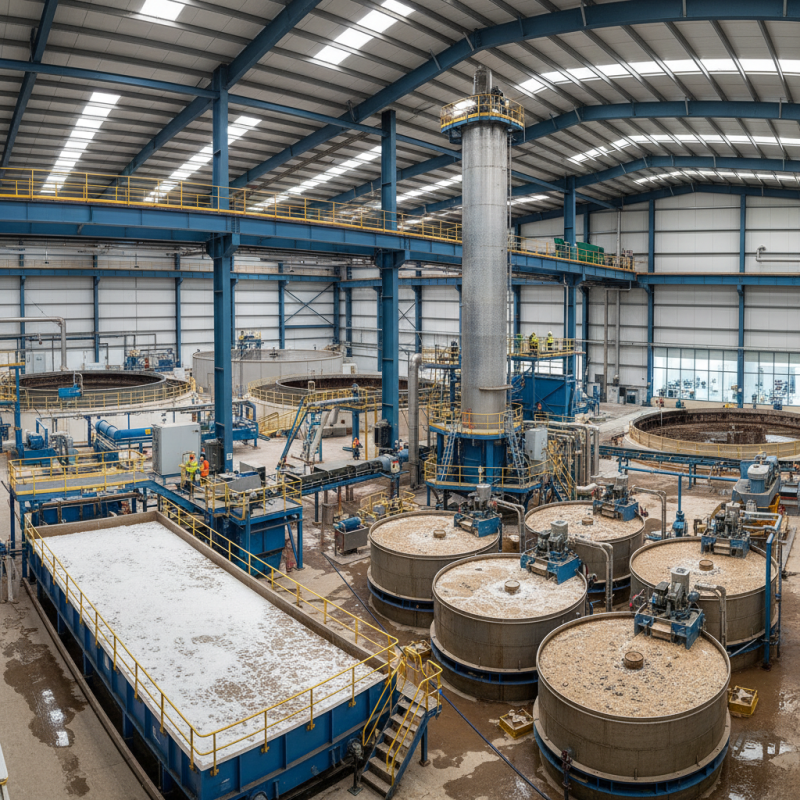
When selecting flotation equipment, it's essential to understand the various types available in the market. Flotation systems can be broadly classified into several categories based on their operation and application. Mechanical flotation cells are the most common type, relying on agitation and air injection to separate minerals from ore. Studies indicate that mechanical cells can achieve recovery rates of up to 90% for various mineral types under optimal conditions.
Another category is Dissolved air flotation (DAF), primarily used in water treatment processes. DAF systems effectively remove suspended solids and contaminants, offering a recovery rate of approximately 80%. These systems use air bubbles to facilitate the separation of these materials, making them crucial in managing wastewater. Operators often face challenges with effective bubble generation and the influence of water chemistry, which can affect performance.
Column flotation is another design option that merits attention. This equipment uses a vertical column, promoting excellent separation of fine particles. Reports show that column flotation can improve recovery rates by about 5-10% compared to conventional methods. However, achieving optimal performance relies on controlling variables such as bubble size and surface tension. Understanding these differences is vital when determining the best flotation equipment for your specific needs.
Key Factors to Consider When Selecting Flotation Equipment
When selecting flotation equipment, it's crucial to consider the specific needs of your operation. The type of material you are processing plays a key role. For instance, different minerals may require tailored flotation techniques. Understanding the characteristics of your input material can greatly enhance efficiency.
Another important factor is the capacity of the equipment. Are you working on a small-scale project? Or do you need something that can handle larger volumes? The capacity needed will influence the design and cost of the flotation equipment.
Technical support and maintenance services are also vital. Having access to expert advice can make a big difference. Equipment may fail or require adjustments. Recognizing the need for reliable support is essential. Be wary of overlooking this aspect, as it can lead to operational delays. Always seek options that promise ongoing support and user-friendly maintenance.
Assessing the Specific Needs of Your Industry and Application
When assessing the specific needs of your industry and application, it’s essential to consider various factors. Different industries require diverse flotation solutions. For example, mining operations may prioritize equipment that handles large volumes of material, while wastewater treatment facilities may need more compact units. Identifying the unique requirements of your industry can streamline equipment selection.
Tips for choosing flotation equipment include evaluating material characteristics. Different ores or waste streams behave differently in flotation processes. Understanding pH levels, slurry density, and particle size is crucial. Engage with industry experts to gather insights that will guide your choice. Additionally, think about the integration of the equipment into your existing processes. Compatibility is vital for maximizing efficiency.
Finally, don't overlook maintenance requirements. Some flotation systems demand frequent upkeep. Real-time monitoring can address this issue. Listen to feedback from your operational team. Their hands-on experience sheds light on practical challenges. This helps in making informed choices that meet your specific needs and enhance your process efficiency.
Comparing Cost Versus Performance in Flotation Equipment Choices
When evaluating flotation equipment, cost and performance are crucial factors. Reports from the International Journal of Mineral Processingindicate that lower-cost Flotation Machines can sometimes lead to decreased recovery rates. An investment inhigh-quality equipment often yields better long-term results. This reminds us that what appears cheaper upfront may not always be more economical.
Performance metrics are essential. A comprehensive study shows that machines with advanced aeration systems improve recovery rates by up to 20% compared to traditional models. However, the initial costs for these systems can be significant. Companies must weigh these figures carefully. Failing to account for maintenance and operational costs can lead to regrettable choices.
Understanding the specific needs of your operation is also vital. Often, companies do not fully assess their mineral recovery goals or the specifics of the feed material. This oversight can lead to choosing equipment that does not meet their operational needs. Balancing cost and performance demands careful analysis and expert advice. It's a nuanced decision, requiring diligence and attention to detail.
Evaluating Maintenance and Support Options for Flotation Systems
When selecting flotation equipment, maintenance and support options are crucial. Reliable maintenance extends the life of flotation systems, ensuring optimal performance. Look for providers that offer regular inspections and responsive support. This approach minimizes downtime and enhances productivity.
Tips: Assess the frequency of maintenance checks included in your service package. Regular maintenance can prevent costly repairs. Also, evaluate the availability of spare parts. Quick access to critical components can be a game-changer in emergencies.
Consider the expertise of the support team. A knowledgeable team can address issues efficiently and provide valuable insights. Their experience can significantly impact your system's performance in the long run. However, not all vendors provide the same level of support. Research customer testimonials to gauge their reliability.
The sustainability of your flotation system often relies on its support. Don't overlook the importance of training for your staff. Proper training can lead to efficient operation and may reduce the need for frequent maintenance. Finding the right balance between equipment capability and support is essential for long-term success.