How to Choose the Best Cooling Water Pump for Your Needs?
When selecting a Cooling Water Pump, it's essential to understand your specific requirements. The global market for these pumps is projected to reach $19.2 billion by 2026, highlighting their significance in various industries. A reliable cooling water pump enhances system efficiency and prolongs equipment lifespan.
Choosing the right pump can seem confusing, given the variety of options available. Factors like flow rate, power consumption, and material compatibility are critical. According to a recent industry study, 30% of pumps fail prematurely due to incorrect specifications. This underscores the importance of careful consideration and proper selection.
Investing time in research is vital. Missteps can lead to inefficient operations and increased costs over time. By understanding the parameters that affect performance, you ensure your cooling system operates smoothly. This knowledge can save you from costly replacements and downtime.
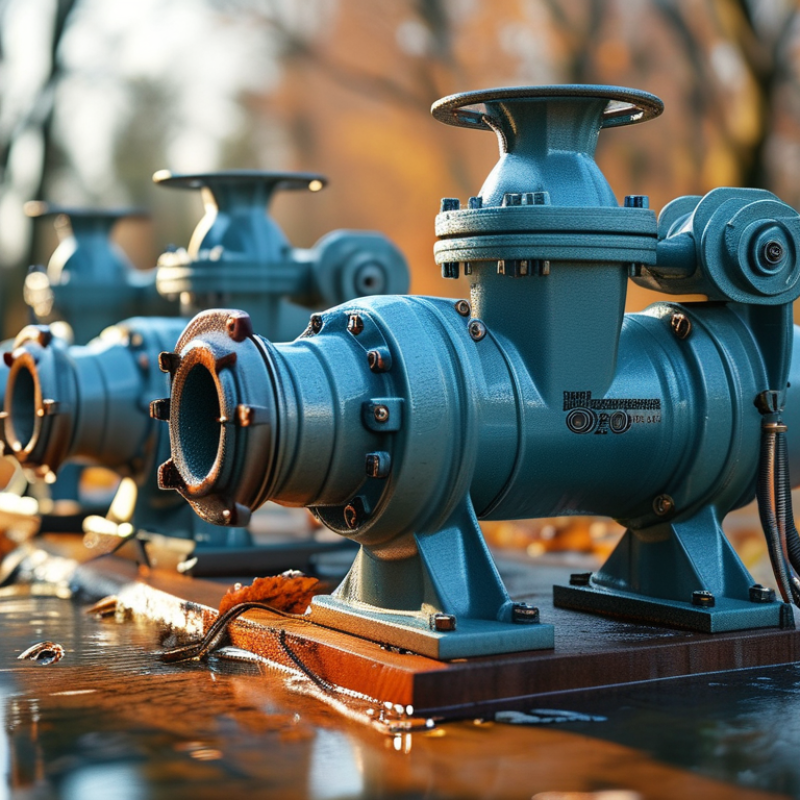
Understanding Cooling Water Pumps: Types and Functions
Cooling water pumps play a crucial role in numerous industrial applications. They ensure efficient heat transfer, stability, and system reliability. Understanding the various types of pumps can significantly impact your selection process. Common types include centrifugal pumps and positive displacement pumps. Centrifugal pumps are renowned for their ability to handle large volumes of water. Reports indicate they account for over 80% of the market share in industrial pumping systems.
Positive displacement pumps, on the other hand, are optimal for high-viscosity fluids. They are effective in situations where precise flow control is necessary. A study from the Hydraulic Institute reveals that the efficiency of the pump can drop significantly if not matched correctly with the application. This mismatch often leads to increased operational costs and maintenance issues.
When choosing a cooling water pump, it’s essential to consider factors like flow rate and pressure requirements. Data shows that a well-chosen pump can improve energy efficiency by up to 30%. Nonetheless, overestimating the requirements can lead to underperformance. Taking the time to analyze specific needs and the intended application can lead to better long-term results.
Factors to Consider When Selecting a Cooling Water Pump
Choosing the right cooling water pump is crucial for efficiency. Several factors influence your decision. Start by understanding your system's requirements. Will you use it for industrial processes or residential needs? The size of the pump matters. Larger systems typically need more powerful pumps.
Next, consider the flow rate. This measurement determines how much water your pump can move. It affects overall performance. Inspect the pump’s head pressure too. This indicates how high the pump can lift water. Too little pressure can lead to system failures.
Materials are also essential. Pumps made from durable materials resist corrosion and overheating. Evaluate their compatibility with your fluids. Also, think about energy efficiency. An efficient pump saves electricity costs over time. Choose a pump that matches your specific requirements carefully. It's easy to overlook these details, but doing so can lead to major issues later.
Assessing Your System Requirements for Pump Performance
When choosing a cooling water pump, it's crucial to assess your system requirements. Understanding your cooling needs is the first step. Different systems have varying flow rates and pressure requirements. Knowing these specifications will help you select the right pump.
Consider the size of your system. A larger system may need a pump with higher capacity and efficiency. Evaluate the fluid type as well. Water is the common choice, but additives can alter pump performance. Also, bear in mind the temperature range, as it impacts material selection.
Don't overlook the energy efficiency of pumps. Many options are available, yet they vary in performance and operational cost. Some pumps may promise high efficiency but fall short in practice. Pay attention to user reviews and expert recommendations. This can provide insight into real-world performance and reliability. Choose wisely, as the right pump is vital for optimal system operation.
Evaluating Pump Material and Durability for Your Needs
When selecting a cooling water pump, understanding pump material and durability is critical. Materials can greatly impact performance and longevity. For instance, pumps made from stainless steel offer corrosion resistance, but they may not be the best fit for all environments. Reports from the Hydraulic Institute indicate that nearly 30% of pump maintenance costs stem from material degradation.
Plastic pumps are lightweight and resistant to certain chemicals. However, they may not withstand high temperatures as well as metals do. Businesses need to evaluate the specific conditions their pumps will face. A study showed that 57% of system failures are attributed to improper material selection.
Durability also depends on proper maintenance. Regular checks on seals and bearings can prevent unwanted failures. Some pumps may seem more affordable upfront but could lead to higher costs over time due to frequent replacements. The National Pump and Motor Association notes that about 40% of pumps fail within the first five years due to poor choice of material and lack of maintenance. It’s essential to assess all options thoroughly and weigh the long-term implications of material choices.
Maintenance and Efficiency Tips for Cooling Water Pumps
When it comes to cooling water pumps, regular maintenance is crucial. Keeping your pump functioning optimally means you'll need to perform routine checks. Look for any leaks or unusual noises. These could indicate underlying issues. Each small problem can lead to larger complications.
Tips for maintaining your cooling water pump include monitoring the fluid levels regularly. Ensure that the water intake and discharge ports are clear of debris. This simple check can improve efficiency and prolong the pump’s lifespan. Also, consider cleaning the pump’s exterior; dirt buildup can lead to overheating.
Efficiency is key in choosing the right pump. Pay attention to the energy consumption of your unit. A high-efficiency pump can save on energy costs over time. It’s worth assessing the proper sizing of the pump for your application. An oversized pump may lead to performance issues, while an undersized one can cause strain.
Maintaining efficiency requires attention. Regularly inspect seals and bearings. Worn components can lead to energy wastage or failure. Small adjustments can yield significant improvements. By prioritizing maintenance, you ensure your pump continues to operate smoothly and efficiently.