How to Choose the Right Cylindrical Gearbox for Your Needs?
Choosing the right Cylindrical Gearbox for your application can be a challenging task. Understanding the specific requirements of your machinery is crucial. A cylindrical gearbox is essential for converting speed and torque effectively.
Consider the type of load your gearbox will face. Will it handle heavy machinery or lighter tasks? Analyze the environment where it will operate. Factors like temperature and humidity can impact performance. Proper sizing is key. An oversized gearbox can waste energy; an undersized one may fail.
Experience from industry professionals emphasizes the importance of reliability. A quality cylindrical gearbox should meet efficiency standards and operational demands. Seek suppliers with a proven track record. Their expertise can guide you in selecting the best gearbox. Remember, the right choice can enhance productivity and reduce maintenance costs. Take time to reflect on your specific needs before making a decision.
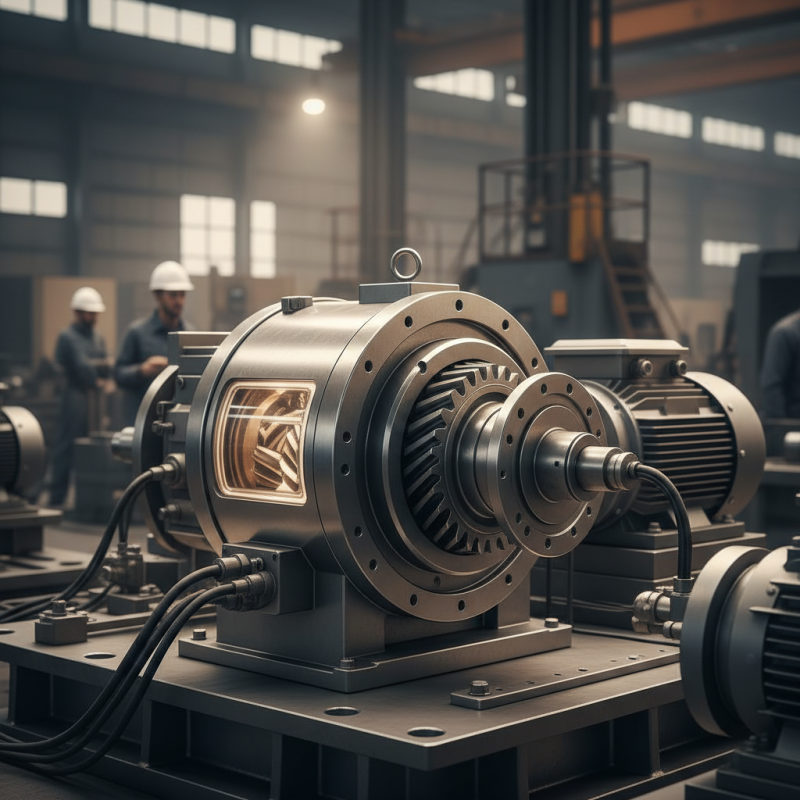
Understanding the Basics of Cylindrical Gearboxes
Cylindrical gearboxes are essential in various industries. They convert input speed and torque into desired outputs. Understanding their basics can greatly influence their effectiveness in applications. According to a recent report by the International Gearbox Manufacturing Association, cylindrical gearboxes hold over 40% of the gear market share due to their reliability and efficiency.
Understanding gear ratios is crucial. A higher ratio typically means slower output speed but increased torque. However, this comes with trade-offs. For example, excessive torque can lead to wear or failure. Operating within the gearbox's rated capacity is vital. Moreover, lubrication plays a key role in performance. The right lubricant prevents overheating and wear. Inadequate lubrication results in costly repairs.
Pay attention to mounting options and alignment. Many installation errors stem from misalignment. Adjusting for precision can improve lifespan. There's a fine line between optimal performance and mechanical failure. Regular maintenance checks are necessary to sustain efficiency. The industry shows that 30% of gearbox failures are due to inadequate upkeep. A proactive approach leads to better reliability and longevity.
Identifying Your Application Requirements and Constraints
Choosing the right cylindrical gearbox begins with a clear understanding of your application requirements and constraints. Consider the type of load your machinery will encounter. Will it be constant or fluctuating? Assess the speed and torque needed for optimal operation. Each application has unique demands that influence gearbox selection.
When dealing with size limitations, it’s crucial to measure the available space carefully. Gearboxes come in various dimensions. Selecting one that fits is vital for efficiency. Consider environmental factors too. Will the gearbox face dust, moisture, or extreme temperatures? This can impact its performance and lifespan.
Tips: Always refer to specifications before making a decision. Don't just rely on theoretical calculations; real-world testing can reveal potential issues. Consider consulting an expert if you're unsure. Seek feedback from peers who faced similar challenges. Their experiences can guide your choice more reliably.
Evaluating Gearbox Types and Their Specifications
When selecting a cylindrical gearbox, understanding its specifications is crucial. Different types cater to varied applications. Consider the gear ratio, load capacity, and efficiency. Each parameter influences performance and longevity. A gearbox with a higher gear ratio can enhance torque but may reduce speed. Conversely, a lower ratio can increase speed but might not handle high torque well.
Tips: Always analyze your application. Assess the expected loads and operational speed. This ensures you choose a gearbox that aligns with your requirements. A mismatch could lead to premature wear or failure.
Materials and design play a significant role too. Gearboxes made from high-quality alloys resist wear better. This is vital for heavy-duty applications. In some cases, the design may not allow for easy maintenance. These factors require careful consideration before making a selection.
Tips: Consult with professionals when in doubt. Their experience can guide you through the complexities. This can prevent costly mistakes and optimize your system’s efficiency. Remember, a well-suited gearbox can enhance your machinery's performance significantly.
How to Choose the Right Cylindrical Gearbox for Your Needs?
| Gearbox Type | Torque Capacity (Nm) | Gear Ratio | Efficiency (%) | Weight (kg) |
| Helical Gearbox | 150 | 5:1 | 95 | 20 |
| Bevel Gearbox | 200 | 4:1 | 90 | 25 |
| Worm Gearbox | 100 | 20:1 | 85 | 30 |
| Planetary Gearbox | 250 | 10:1 | 97 | 15 |
Comparing Material Options and Durability Factors
When selecting a cylindrical gearbox, material options play a crucial role in durability. Common materials include steel, aluminum, and plastic. Steel gearboxes excel in strength and can handle high loads. However, they can be heavy and may lead to increased wear in high-speed applications. Aluminum offers a lightweight alternative with decent strength. It resists corrosion but may not be as durable under extreme conditions. Plastic, while lightweight and lower in cost, often lacks the strength needed for heavy-duty applications.
Durability factors are equally important in the selection process. Consider the operating environment. High temperatures, humidity, and exposure to chemicals can impact gearbox longevity. It's essential to match material properties with application demands. Using a corrosion-resistant coating can enhance durability. However, many overlook this aspect, leading to premature gearbox failures. It's critical to assess both the environment and the expected lifespan of the gearbox. Often, a balance between weight, strength, and cost must be achieved. Each choice comes with its trade-offs, and reflection on these trade-offs is vital for making the right decision.
Considering Gearbox Maintenance and Reliability Needs
When selecting a cylindrical gearbox, it's essential to consider maintenance and reliability. A gearbox is a critical component, often subjected to high loads and stress. According to industry reports, around 30% of industrial failures are tied to gearbox issues. Regular maintenance is vital to prevent these failures and ensure longevity.
Scheduled maintenance, including lubrication and part inspections, can reduce downtime. Studies indicate that well-maintained gearboxes can last up to 50% longer than neglected ones. However, many facilities overlook this aspect. They may prioritize initial costs over lifetime reliability. This can lead to higher expenses in the long run.
Choosing the right materials also impacts reliability. Gearboxes made from high-strength steel or alloys tend to perform better under extreme conditions. Yet, some users might opt for cheaper alternatives, which can fail sooner. Research shows that using quality components can enhance performance and reliability significantly. Balancing cost and reliability is crucial for optimal performance.
How to Choose the Right Cylindrical Gearbox for Your Needs
This chart illustrates the importance of various factors in selecting a cylindrical gearbox, based on maintenance and reliability needs. Each factor is rated on a scale from 1 to 10, with 10 being the most important.