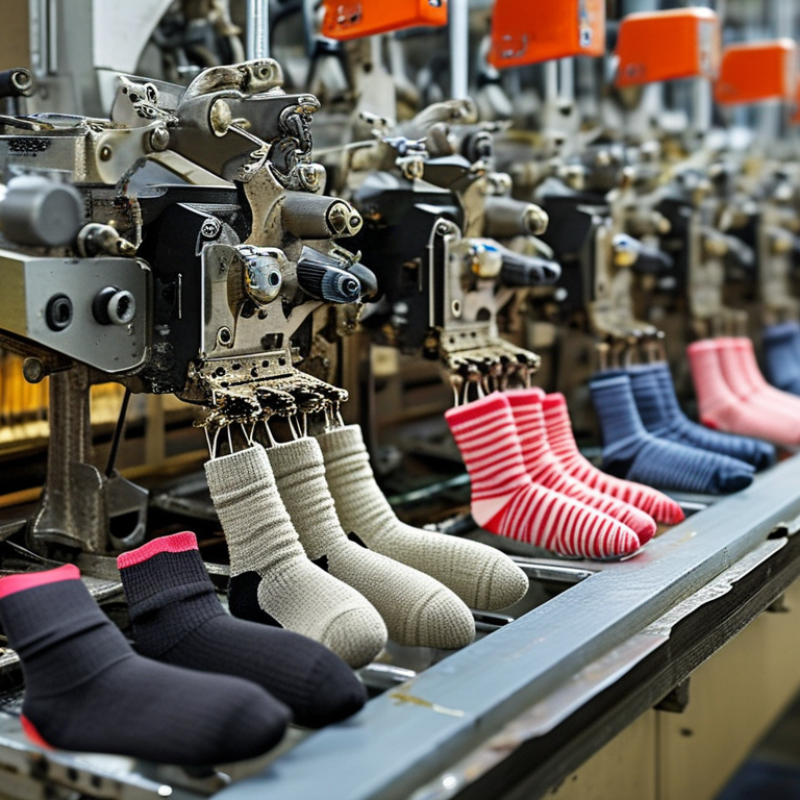
How to Choose the Best Socks Printing Machine for Your Business?
Choosing the right Socks Printing Machine is vital for your business's success. A good machine can enhance your production capacity and improve the quality of your products. Understanding your specific needs is the first step in making this crucial decision. Do you prioritize speed, quality, or versatility?
Each Socks Printing Machine comes with unique features. Some are better for small batches while others excel in high-volume production. Consider your target market and the types of designs you intend to print. It’s important to reflect on your long-term goals. Will the machine grow with your business?
Don’t overlook maintenance and support when selecting your equipment. A reliable machine from a reputable supplier ensures longevity and efficiency. Also, think about your budget. Sometimes, the cheapest option may not be the most reliable. Balancing cost with quality will lead to better investment in the long run.
Understanding the Types of Socks Printing Machines Available
When selecting a socks printing machine, it’s essential to understand the various types available in the market. Digital printing machines have become increasingly popular due to their versatility. They allow detailed designs and quick production runs. According to a recent industry report, the demand for digital textile printing is expected to grow by 10% annually. This growth reflects its rising adoption among manufacturers seeking customization.
Screen printing remains a traditional option. It's known for high-quality prints and vibrant colors. However, it's less flexible for varying designs. The setup costs can be high. Reports indicate that screen printing can be efficient for large volumes but may struggle with smaller batches. Many small businesses feel squeezed by this cost structure.
Direct-to-garment (DTG) printing is another alternative. It’s user-friendly and suitable for intricate designs. Yet, it can be slow and costly for high-demand outputs. Some businesses find the maintenance of DTG machines challenging. Ultimately, the choice of printing machine will depend on the scale and specific needs of your operations. Each method comes with advantages and challenges that require careful evaluation before making a decision.
Key Features to Consider When Selecting a Socks Printing Machine
When choosing a socks printing machine, several key features are essential. The printing method greatly impacts quality. Digital printing offers versatility and detail for intricate designs. According to a recent industry report, digital printing will capture over 50% of the market by 2025. This trend shows the growing preference for customization and short runs, appealing to niche markets.
Speed is another significant factor. Production efficiency plays a critical role in meeting customer demands. Machines capable of printing 200 pairs per hour are becoming standard, but some can achieve much higher outputs. However, the initial investment is often substantial. Businesses must weigh the upfront cost against long-term returns. Reliability matters too. A machine that frequently malfunctions can disrupt workflow and impact customer satisfaction.
User-friendliness shouldn't be overlooked. Operators need a system that is easy to learn. Complex machinery can delay production. While automation can enhance output, skilled workers remain crucial for quality control. Understanding these dynamics can help businesses make informed decisions. Consider the long-term implications of your choice, as the right machine can drive growth and innovation in your brand.
How to Choose the Best Socks Printing Machine for Your Business? | Feature | Importance | Description | Example Range |
| Printing Technology | High | Different technologies offer varying quality and speed. Options include screen printing, sublimation, and direct-to-garment. | Screen Printing, DTG |
| Production Speed | Medium | The speed of printing can affect turnaround time for orders. Consider machines with faster output. | 100-300 pairs/hour |
| Print Size | High | The maximum size of the print area should match your design needs. | Up to 400mm x 300mm |
| Ease of Use | Medium | User-friendly interfaces and easy setup can save time in training and operation. | Touchscreen Controls |
| Maintenance Requirements | High | Regular maintenance can prevent downtime. Check for easy access to parts for cleaning and repairs. | Weekly Lubrication |
| Cost | High | Consider both initial investment and ongoing operational costs to determine total cost of ownership. | $2,000 - $50,000 |
Evaluating Production Speed and Efficiency for Your Business Needs
When choosing a socks printing machine, production speed and efficiency are vital factors. Assessing how quickly a machine can produce socks is crucial. Some machines offer high output, but they may compromise on quality. It's essential to balance speed with the accuracy of the design. A fast machine that produces poor results can harm your business reputation.
Consider the efficiency of the machine in terms of setup and maintenance. A machine that requires frequent adjustments will slow down production. Additionally, look at how easy it is to switch between designs. If a machine is challenging to set up for different patterns, it may lead to downtime. This downtime affects overall productivity.
Lastly, think about the long-term costs involved. A cheaper machine may seem attractive but can have hidden expenses. It might require more repairs over time or consume excessive energy. Evaluating these factors carefully ensures that your investment in a socks printing machine meets your business needs today and in the future.
Assessing Cost-Effectiveness: Budgeting for a Socks Printing Machine
When budgeting for a socks printing machine, understanding costs is vital. Many businesses overlook hidden expenses like maintenance and supplies. According to a recent industry report, up to 40% of total costs can arise from these factors. It's crucial to consider not just the initial purchase price.
The average cost of a quality socks printing machine can vary significantly, with entry-level models starting around $10,000. Higher-end options may reach $50,000 or more. However, don't forget about operational costs. Ink, materials, and employee training usually account for about 15-20% of ongoing expenses. These may seem minor initially but can add up over time.
Moreover, analyzing potential return on investment (ROI) is essential. Research shows that well-implemented printing machines can increase production capacity by up to 60%. This data emphasizes the importance of thoughtful budgeting. Failing to consider all elements may lead to disappointing outcomes. Understanding these nuances can greatly influence your long-term success in the socks printing market.
Exploring Maintenance and Support for Long-Term Investment
When investing in a socks printing machine, maintenance and support are crucial considerations. Regular maintenance not only enhances the longevity of the machine but also ensures consistent printing quality. Breakdowns can lead to costly delays and unsatisfied customers. Therefore, understanding the maintenance requirements is essential. Look for machines that offer easy access to components for cleaning and upkeep. Check for user-friendly guides and resources that simplify the maintenance process.
Support is equally important. A reliable support system can make or break your experience. Verify the availability of customer service and technical support from the manufacturer. Quick response times are vital in minimizing downtime. Consider warranties and service agreements that could provide peace of mind. It’s useful to read reviews from current users. Their experiences can reveal the reliability of support services. This can guide you to a machine that not only fits your budget but also offers robust support.
Reflecting on your specific business needs is essential. Not every printing machine may meet your long-term goals. Engage with industry experts or user forums for insights. This can help you avoid common pitfalls. Companies often rush decisions without considering future needs. Investing time in research can lead to better choices and ultimately a more sustainable business model.