How to Choose the Best Silent Diesel Generator for Your Needs?
Choosing the best silent diesel generator can seem overwhelming. With many options available, it’s essential to know what suits your needs. A silent diesel generator is favored for its quiet operation, making it ideal for residential areas or work sites where noise is a concern.
When considering your choice, think about the power output. This generator should support your essential appliances and devices. Analyze your power needs carefully. It’s easy to underestimate your requirements. Look for models known for reliability and durability. Reviews can offer insights from real users but may contain biases.
Keep in mind that price doesn't always reflect quality. A cheaper model may seem appealing but could lead to regrets later. The installation process might be more complex than expected. Preparing for potential challenges can save you time. Ultimately, investing in a good silent diesel generator requires thoughtful consideration. Reflect on your long-term needs and the environment where you will use it.
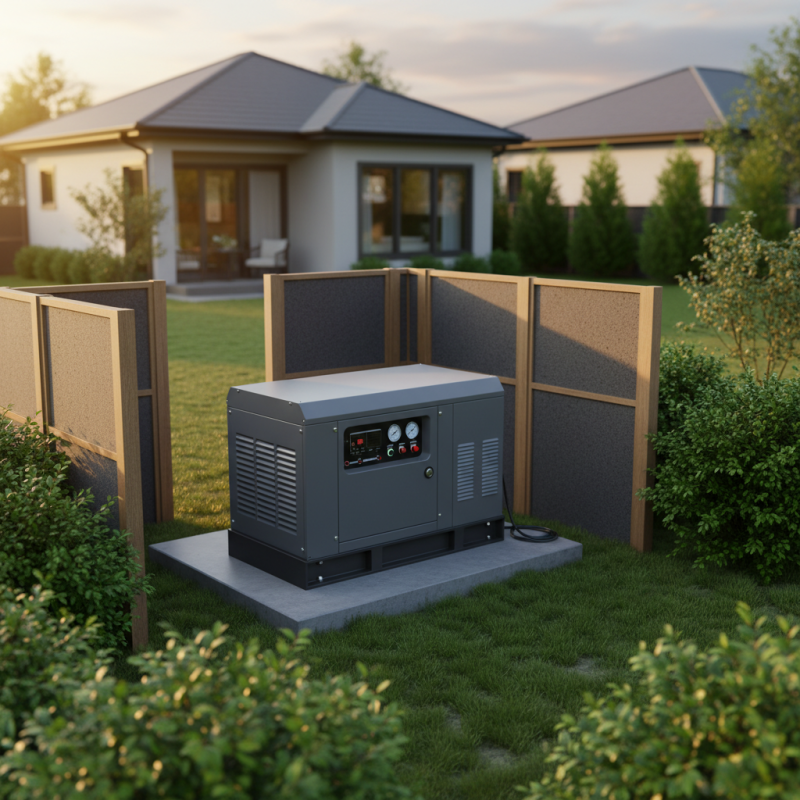
Understanding Your Power Requirements for a Silent Diesel Generator
When choosing a silent diesel generator, understanding your power requirements is crucial. According to industry data, the average household in the U.S. consumes about 877 kWh per month. This translates to approximately 30 kWh per day. Assessing your daily needs can help dictate the generator's capacity. You must consider what appliances you’ll need running during an outage. Key devices include refrigerators, lights, and heating or cooling systems.
Power requirements also depend on surge wattage. Some appliances, like air conditioners or pumps, may draw significantly more power at startup. A generator's rating should account for these initial surges to prevent overload. Industry reports suggest that a 7 kW generator can typically power small to medium homes. Yet, any miscalculation in load can lead to frustration.
It's wise to compile a detailed list of your essential devices. Yet, many users overlook this step, guessing their needs instead. This often leads to purchasing a generator that is either underpowered or overly large. A generator too large for your needs can lead to inefficiency and unnecessary fuel consumption. Balancing your requirements and efficiency should reflect your specific power demands.
Key Features to Look for in Silent Diesel Generators
When selecting a silent diesel generator, several key features are crucial. Noise level is paramount. Look for units designed to minimize sound output. Many models have noise ratings under 60 dB, which is comparable to a normal conversation. This is ideal for residential use or in locations where quiet operation is essential.
Durability is another vital aspect. The generator's build quality affects its lifespan. Models with steel enclosures are typically more robust. Additionally, check the engine type. Four-stroke engines often provide better efficiency and longevity. Fuel consumption matters too. Generators with efficient fuel use can save you money over time.
Portability can be a consideration, depending on your needs. Some generators come with wheels for easy movement. However, keep in mind that heavier models may offer more power but can be cumbersome to relocate. Regular maintenance is also necessary. Some users overlook this and face unexpected breakdowns. Always review service requirements to ensure you choose a model that fits your lifestyle.
Comparing Noise Levels of Different Diesel Generator Models
When choosing a silent diesel generator, noise levels play a crucial role. Different models produce varying sounds. Understanding what noise level works for your needs can make a significant difference. Many generators are labeled by their decibel ratings. A lower rating often indicates quieter operation. However, what is quiet enough for one person might not suit another.
Consider your environment. If you plan to use the generator near residential areas, a model around 50-60 dB is typically best. This level is approximately the same as a quiet conversation or background music. If you are in remote areas, the specifications may differ. A model that operates at 65-70 dB might be acceptable, as it may blend with natural sounds.
It's also wise to examine real-world performance. Some generators are louder than advertised. User reviews often reveal discrepancies in sound levels. You might find that a generator labeled as “silent” still produces noise that could disrupt nearby activities. Therefore, acoustic testing under various conditions can provide a realistic picture of sound emissions.
Evaluating Fuel Efficiency and Runtime of Silent Diesel Generators
When selecting a silent diesel generator, fuel efficiency is crucial. A generator that uses less fuel can save costs over time. Look for models that specify their fuel consumption rate. Pay attention to the hours of operation they can provide on a full tank. Generally, higher tank capacity means longer runtime.
Runtime and power output are interlinked but are often overlooked. Many assume that a larger generator runs longer. This isn't always true. It's essential to match your power needs with the generator's capacity. Calculate your total wattage requirements. Then explore the generator's runtime under various loads. Evaluating efficiency involves examining real-world tests. Fuel consumption can differ from the manufacturer's claims.
Consider noise levels as well. Silent generators are meant to operate quietly. However, the quieter they are, the more carefully they must maintain efficiency. A generator that does not perform well under load may become loud. It's a balance of power, efficiency, and noise output. Remember, the ideal generator is not just about having long runtimes. Assessing these factors ensures you make an informed decision.
Budget Considerations: Finding a Balance Between Cost and Quality
When choosing a silent diesel generator, budget plays a crucial role. Many options exist at various price points. It can be tempting to go for the cheapest model, but quality matters. A low-cost generator might save money initially but may lead to higher maintenance costs later. Investing in a reliable generator can provide peace of mind.
Consider features that matter most to you. Power output, noise level, and fuel efficiency are essential aspects. A generator with higher efficiency might cost more upfront. However, it can save you money on fuel over time. Weigh these factors carefully before making a decision. It’s not easy to find the right balance between budget and features.
Remember to check reviews and user feedback. Sometimes, a highly-priced unit may not perform as expected. Look for patterns in customer experiences. A unit that fails to meet expectations can lead to frustration. Be sure to consider warranty and support options too. These can influence long-term satisfaction. Choosing wisely now can save headaches in the future.