2026 How to Choose the Best Poultry Cages for Layers?
Choosing the right poultry cages for layers is crucial for successful poultry farming. These cages play a vital role in egg production efficiency and bird welfare. With numerous options available, selecting the best can be daunting.
When considering poultry cages for layers, several factors come into play. Materials matter—steel cages are strong but may cost more. Ventilation is another essential aspect. Good airflow ensures hens remain healthy and productive. It's important to consider the size of the cages. Overcrowding can lead to stress and lower egg quality, which is a common mistake among farmers.
Farmers often underestimate the importance of maintenance. Cages require regular cleaning to prevent disease. Some may think that all cages are alike, but that is misleading. Each design offers unique benefits and drawbacks. Research is key to finding the right fit for your operation. Be sure to consult experts in the field to get reliable advice.
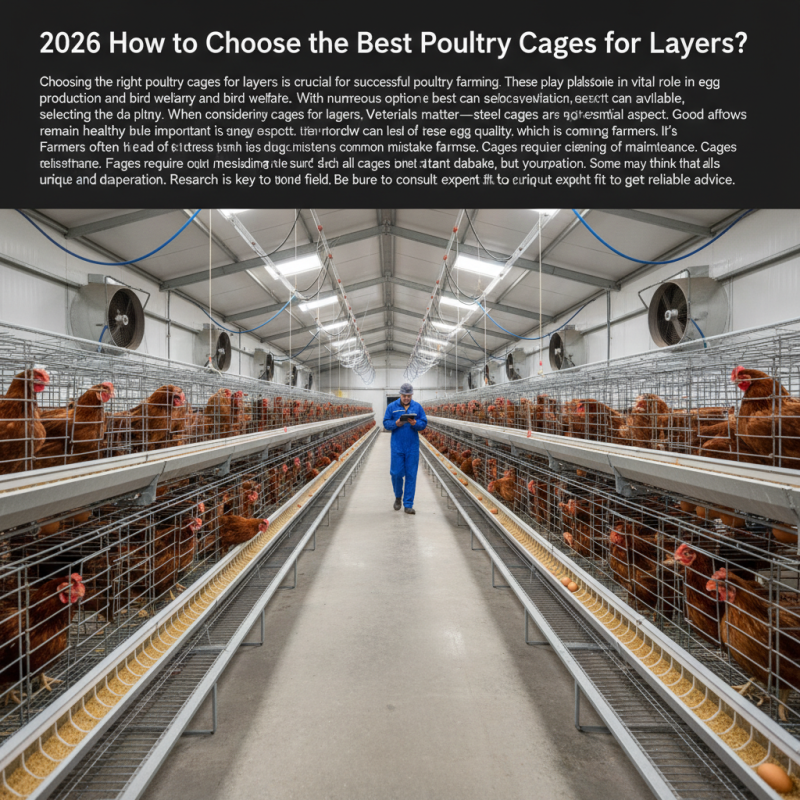
Understanding the Importance of Poultry Cages for Layer Hens
Poultry cages play a vital role in the well-being of layer hens. Proper housing influences their health, productivity, and overall happiness. A well-designed cage offers adequate space for movement and nest sites for laying. It should also provide proper ventilation to ensure fresh air circulation, which is essential for respiratory health.
Choosing the right material for the cage is equally important. Metal cages are often preferred due to their durability and ease of cleaning. However, consider how the material affects the birds. Some metals can be harsh. Coated surfaces may reduce this issue but can also present challenges if they deteriorate over time. Observing the hens can give insights into their preferences and comfort levels.
It's essential to regularly evaluate the environment within the cages. Light and temperature should be adequately managed. A cage that is too hot can stress the birds. On the other hand, inadequate lighting affects their laying cycle. Both factors require ongoing attention to optimize production and ensure the hens’ welfare.
2026 How to Choose the Best Poultry Cages for Layers? - Understanding the Importance of Poultry Cages for Layer Hens
| Feature | Description | Importance |
| Space | Ample space for each hen to move and lay eggs. | Prevents stress and promotes healthy laying. |
| Material | Durable materials like galvanized steel or high-quality plastic. | Ensures longevity and easy maintenance. |
| Ventilation | Good airflow to reduce humidity and heat. | Essential for hen comfort and disease prevention. |
| Accessibility | Easy access for feeding, cleaning, and collecting eggs. | Enhances workflow and reduces labor time. |
| Adjustability | Cages that can be adjusted for different flock sizes. | Allows for scalable operation as the flock grows. |
Factors to Consider When Selecting Poultry Cages for Layers
Choosing the right poultry cages for layers involves several critical factors. The design and material of the cage directly affect hens' comfort and egg production. According to industry reports, well-ventilated cages can improve overall health, leading to a 10% increase in egg yield. It's essential to select materials that are durable and easy to clean, as sanitation plays a crucial role in preventing disease.
Consider the size of the cages. The World Animal Protection organization recommends an area of at least 750 cm² per hen to ensure adequate space for movement. Cages that are too small can lead to stress and aggressive behavior among layers. Additionally, the configuration of the cages affects accessibility for feeding and egg collection, which impacts labor efficiency and operational costs.
Tip: When reviewing potential cages, observe how easily they allow for cleaning and maintenance. Neglecting cleanliness can lead to outbreaks of illness. Prioritizing access to veterinary care is also vital in any poultry operation. A balanced approach to space, design, and sanitation can lead to healthier birds and improved productivity.
Types of Poultry Cages: Pros and Cons for Layer Hens
When choosing cages for layer hens, understanding the types available is essential. Different systems are designed to address specific needs, yet each has its drawbacks. For instance, battery cages are highly efficient, allowing for optimal space usage. A study by the Food and Agriculture Organization (FAO) highlighted that these systems can produce up to 96% egg-laying efficiency. However, the ethical concerns surrounding animal welfare cannot be overlooked.
In contrast, aviary systems promote more natural behaviors among hens. They offer vertical space and room for movement, which reduces stress. According to the Humane Society International, these systems can lead to improved hen welfare. Nevertheless, they require more maintenance and can increase operational costs by up to 30%.
Free-range systems stand out by providing outdoor access, which supports layers’ mental health. A report from the World Animal Protection indicated that hens in free-range environments exhibit more foraging behaviors. Yet, these systems face challenges like predator attacks and weather-related issues. The balance between productivity and humane treatment remains a contentious topic. Choosing the right cage involves weighing these pros and cons carefully.
Sizing and Space Requirements for Layer Hen Cages
When choosing the best cages for layer hens, sizing and space are crucial. Proper cage dimensions impact the health and productivity of the birds. Generally, each laying hen requires at least 1.5 square feet of space. However, larger spaces can lead to fewer behavioral problems. Inspect the layout carefully before purchasing.
Tips: Ensure the cage allows adequate airflow. Poor ventilation can harm bird health. Also, consider the height of the cages. Hens need enough vertical space to move comfortably. Check for overcrowding, as it may lead to stress and aggression among hens.
It's essential to think about the future. As your flock grows, you might need to adapt your cages accordingly. If your design lacks flexibility, it can restrict expansion. Evaluate your layout based on both immediate and long-term needs. Remember, the right sizing can enhance egg production and ensure happier hens. Keep an eye on their behavior and adjust as needed; it's a part of responsible poultry farming.
Choosing the Best Poultry Cages for Layers: Sizing and Space Requirements
Maintenance and Management Considerations for Poultry Cages
Choosing the right poultry cages for layers involves careful maintenance and management considerations. Regular cleaning is crucial. Research from the American Poultry Association indicates that improper hygiene can increase disease risk by 60%. Contaminated cages lead to stress, affecting egg production.
Temperature and ventilation are vital factors. Layers require a stable environment, ideally between 18-24°C. Cages with poor airflow can lead to heat stress. It is essential to regularly check the cage's ventilation systems. A study highlighted that 30% of layers could underperform due to inadequate air circulation.
Feed management also plays a role. Nutritional deficiencies must be monitored closely. Regular assessments can prevent a decline in egg quality. Some farmers overlook small adjustments in feed ratios, which can lead to bigger issues. Developing a routine for weekly checks can enhance overall productivity and maintain flock health. Investing time in maintenance will pay off through better yields and healthier birds.