Why Choose a Ball End Mill for Your Machining Needs?
When considering machining needs, the choice of end mill can significantly impact the final product. A Ball End Mill stands out for its unique design and versatility. This tool features a rounded end that allows for smooth, contoured cuts. The curvature helps in achieving intricate shapes and detailed finishes, making it ideal for complex projects.
In applications such as engraving, sculpting, and milling slots, a Ball End Mill excels by creating delicately rounded edges. It is crucial for work requiring precision, such as molds and dies. However, this tool may not be suitable for all tasks. Some machining tasks might demand sharper angles that a Ball End Mill cannot provide.
Choosing a Ball End Mill requires thoughtful consideration. Users must assess their specific needs and project requirements. While it offers many advantages, it is not a one-size-fits-all solution. Understanding its capabilities and limitations leads to better, more informed decisions in machining processes.
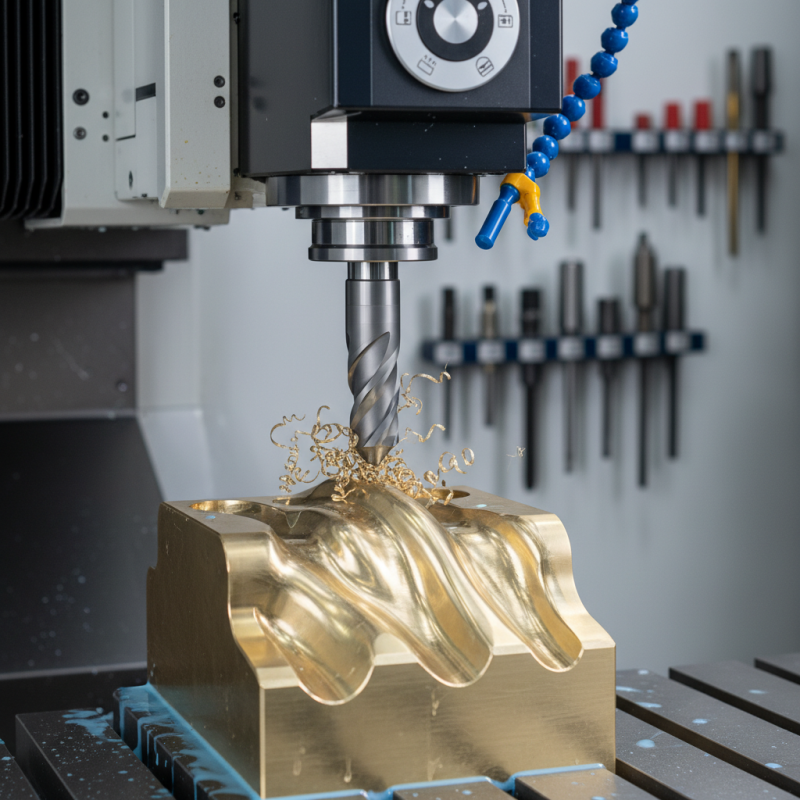
Advantages of Using Ball End Mills in Machining Processes
Ball end mills are widely favored in machining due to their unique advantages in creating complex shapes. Their rounded features enable operators to produce intricate contours and smooth surfaces. This makes them ideal for tasks like die and mold making. The sphere shape allows for more consistent engagement with the workpiece, promoting better precision.
One significant benefit is their ability to perform in 3D machining applications. This means they excel in creating curved surfaces. While straight end mills may struggle with these tasks, ball end mills maintain quality with fewer passes. This can shorten production time, yet it demands that the operator consider tool paths carefully.
**Tip:** To enhance your machining processes, always choose the right diameter for your ball end mill. A smaller diameter can aid in reaching tight spots.
It is worth noting, however, that ball end mills may wear more quickly when used on harder materials. Operators must monitor their condition closely. Frequent checks can help ensure optimal performance.
**Tip:** Regularly changing your tooling can help prevent unexpected failures. This simple step can greatly improve efficiency and productivity.
Advantages of Using Ball End Mills in Machining Processes
Applications of Ball End Mills in 3D Contouring and Surfacing
When it comes to 3D contouring and surfacing, ball end mills are invaluable tools in the machining world. Their unique shape allows for smooth curves and details that flat-end mills simply can't achieve. This makes them ideal for creating intricate designs and complex geometries. The rounded cutting edge of a ball end mill enables cutting in various directions, providing unparalleled flexibility during the machining process.
One application area is mold making, where precision is crucial. A ball end mill can easily navigate the complex surfaces of a mold, creating smooth transitions and detailed features. However, using them requires a level of skill and patience. Operators may encounter challenges, such as tool wear and the need for precise spindle speeds. Overcoming these obstacles can lead to better results and innovation in part design.
Another application is in aerospace and automotive industries, where lightweight and aerodynamically efficient components are vital. Ball end mills allow for precise shaping of components, reducing weight without sacrificing strength. Despite their advantages, achieving the perfect finish can be tricky. Sometimes, a few reworks or adjustments are necessary. It's a process that pushes machinists to refine their techniques and improve their outcomes.
Material Compatibility: Which Materials Benefit Most from Ball End Mills?
When considering machining processes, the choice of tools significantly influences the final product. Ball end mills excel in creating contours and complex shapes. They are particularly efficient for machining materials like aluminum, brass, and various plastics. These materials have properties that allow for smoother operations and better surface finishes. The unique shape of the ball end mill provides superior access to tight corners and intricate designs.
Not all materials benefit from ball end mills to the same degree. Harder metals, like stainless steel, may require more force and slower speeds. This can lead to wear on the tool more quickly. It's essential to adjust your machining parameters. Choose the right speeds and feeds for the material being used. Sometimes, you may need multiple passes to achieve the desired finish. Exploring different strategies will help in the long run.
Ultimately, the versatility of ball end mills must be balanced with their limitations. You might find yourself facing challenges when working with harder materials. Being aware of these factors is key. Continuous assessment after machining can lead to better techniques and tool choices in future projects. Balancing efficiency with tool longevity is crucial in achieving optimal results.
Ball End Mill Specifications: Understanding Diameter and Flute Design
When selecting a ball end mill for machining, it’s essential to understand its specifications. The diameter of the ball end mill plays a crucial role in determining the tool's effectiveness. A larger diameter can remove more material in fewer passes. However, it also limits the tight spaces you can work in. Smaller diameter tools excel in precision but may require more time to achieve the desired depth.
Flute design is equally important. Typically, a ball end mill features two or more flutes. The number of flutes affects the chip removal rate and surface finish. Fewer flutes can enhance cutting speed. However, they may leave a rougher finish. This trade-off must be considered based on the specific needs of a project.
Understanding these specifications can significantly impact machining outcomes. Choosing the right diameter and flute design can prevent costly mistakes. Yet, many overlook these details, leading to inefficiencies. Reflecting on tooling choices can enhance not only the work quality but also the overall machining experience. Choose wisely, and your tools will reward you.
Why Choose a Ball End Mill for Your Machining Needs? - Ball End Mill Specifications: Understanding Diameter and Flute Design
| Diameter (mm) | Flute Count | Flute Length (mm) | Overall Length (mm) | Material |
| 4 | 2 | 10 | 50 | Carbide |
| 6 | 4 | 12 | 60 | High Speed Steel |
| 8 | 2 | 14 | 70 | Carbide |
| 10 | 4 | 16 | 80 | Cobalt |
| 12 | 2 | 18 | 90 | Carbide |
Achieving Precision: The Role of Ball End Mills in Tolerance and Finish Quality
Ball end mills are crucial for achieving high precision in machining. Their rounded ends allow for intricate shapes and profiles. This design promotes superior finish quality. According to recent industry reports, using ball end mills can increase surface finish by up to 30%. This is essential in applications where fine tolerances are necessary.
However, not all materials respond the same way to ball end mills. While they excel in softer materials like aluminum, users report challenges with harder metals. This could lead to premature wear or uneven finishes. A technician might find that a ball end mill created a visible ridge on a tough steel surface. These discrepancies necessitate careful material selection and tool path considerations.
Furthermore, programming the CNC machine correctly is vital. A slight error can result in a surface finish that doesn’t meet required specifications. The precision of the ball end mill is often only as good as the set-up process allows. Regular maintenance, alongside correct operational settings, is paramount. Mistakes here lead to less-than-ideal outcomes, forcing operators to revisit their strategies.