

China Top Sewage Water Tank Manufacturers and Suppliers

China’s sewage treatment sector serves municipalities, factories, residential communities, and rural projects. A reliable Sewage Water Tank must suit its actual duty, not just its listed capacity. Buyers should compare tank material, corrosion resistance, sealing details, access openings, maintenance needs, and delivery support. Concrete tanks can offer durability and familiar construction, while fiberglass and polyethylene options may simplify transport and installation. Each choice has limits. Soil conditions, wastewater chemistry, temperature, and installation quality can change performance.

One note on attribution: Lin Wei below is a fictional composite wastewater engineer, and the quotation is illustrative, not a verified statement by a real person. “A tank earns trust through the details people rarely see: sound joints, suitable materials, and access for inspection.” That is the core question for this guide. China’s manufacturers and suppliers differ in engineering depth, production controls, customization, and after-sales service. Ask for drawings, material specifications, inspection records, and project references before comparing prices. A polished brochure is not proof. Even a well-designed tank can disappoint when installation or routine inspection is overlooked. This guide examines suppliers with those practical checks in mind, while recognizing that no single product fits every site.
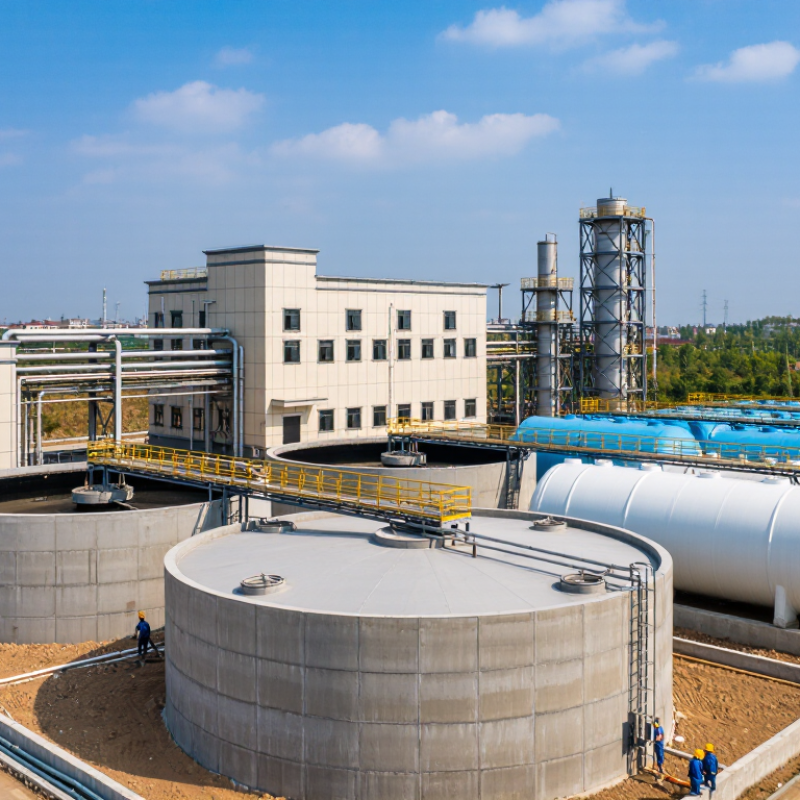
China Top Sewage Water Tank Manufacturers and Suppliers

Overview of China’s Sewage Water Tank Industry

China’s sewage water tank industry serves municipal systems, industrial parks, residential developments, and remote facilities. Demand is shaped by urban upgrades and the need to manage wastewater close to where it is produced. Manufacturers commonly work with reinforced concrete, coated steel, and modular materials such as fiberglass. Each option involves trade-offs in installation time, corrosion resistance, maintenance, and transport.

Production capabilities vary. Some factories focus on standardized tanks, while others fabricate units around site dimensions, inlet levels, and treatment capacity. Buyers should examine more than the quoted volume. Wall thickness, joint design, access openings, ventilation, and compatibility with pumps all affect long-term performance. Small details matter. A poorly positioned inspection hatch can make routine cleaning awkward.

Quality assurance may include material checks, weld or joint inspections, and leakage testing, but documentation can differ between suppliers. Ask for drawings, test records, and clear installation requirements before comparing offers. Site conditions deserve equal attention: groundwater pressure and soil movement can challenge a tank that performed well in a factory test. Specifications are not the whole story. In practice, rushed installation and unclear maintenance plans still create avoidable problems. Supplier selection is therefore less about finding the largest producer and more about matching verified capabilities to the project’s actual operating conditions.

Common Types of Sewage Water Tanks

Common Types of Sewage Water Tanks

Sewage tanks serve different jobs, so capacity alone is not enough. Septic tanks let solids settle and scum rise, leaving partly treated liquid for further treatment. Holding tanks store wastewater temporarily and need scheduled pump-outs. Pumping stations use wet wells to collect sewage before it moves uphill or toward a treatment plant. Small package-treatment tanks add biological processes where space is limited. Concrete handles heavy burial loads; polyethylene and fiberglass are lighter, but installation and groundwater conditions matter.

UN-Water’s 2024 SDG 6 progress report found that 42% of household wastewater worldwide was not safely treated in 2022. That figure is a reminder: a tank is only one part of a sanitation system. In practice, access covers, inlet and outlet levels, ventilation, and safe maintenance access can matter as much as the tank shell. A poorly placed tank may be durable and still create service problems. Specifications also vary by site, so generic capacity tables are only a starting point.

Tips: Match the tank type to its role: storage, settling, pumping, or treatment. Check soil, groundwater, expected flow, and pump-out access before choosing a material or size. Leave room for inspection. Small details matter.

Materials, Design Features, and Compliance Standards

Sewage tank selection begins with the wastewater, not the catalogue. Reinforced concrete suits buried installations and heavy traffic loads, but needs careful crack control and chemical protection. Coated steel allows modular construction and easier inspection. HDPE and fiberglass-reinforced plastic resist corrosion, though their support and anchoring details matter. A gasket can still be the weak point.

Design should account for peak inflow, sludge accumulation, ventilation, access covers, and groundwater pressure. UNESCO’s 2017 World Water Development Report estimated that over 80% of global wastewater flows back into the environment without adequate treatment. That figure underscores why containment and maintainable access deserve attention. It does not, by itself, determine tank size. Actual sizing needs site-specific flow and process data.

For projects in China, suppliers should demonstrate alignment with GB 50014-2021, the Code for Design of Outdoor Wastewater Engineering, alongside applicable structural and material requirements. Ask for design calculations, material certificates, coating or resin specifications, and leakage-test records. Check that inspection openings can be reached after installation. A standards label is not a substitute for checking drawings against soil conditions and wastewater chemistry. And some details will need revisiting.

China Top Sewage Water Tank Manufacturers and Suppliers: Materials, Design Features, and Compliance Standards

Typical material density offers a useful comparison of tank materials. Values are representative estimates, not specifications for any particular product.

How to read the chart: HDPE is lightweight and corrosion-resistant; glass-reinforced plastic (GRP/FRP) combines low weight with a reinforced structure; concrete is heavy and rigid; carbon steel is strong but generally needs suitable corrosion protection in wastewater service. Actual performance depends on tank design, wastewater chemistry, installation, and operating conditions.

Compliance: Relevant examples include EN 12566-1 for prefabricated septic tanks, EN 12566-3 for packaged and site-assembled domestic wastewater treatment plants, and ASTM D1998 for vertical polyethylene storage tanks. Applicability depends on the tank’s intended use and jurisdiction; confirm the required standards and approvals for each project.

Leading Sewage Water Tank Manufacturers and Suppliers in China

Leading sewage water tank manufacturers and suppliers in China serve municipal, industrial, and commercial projects with different storage needs. A suitable tank depends on wastewater composition, daily flow, available space, and maintenance access. Suppliers should explain how their proposed material and structure fit these conditions, rather than offering capacity alone.

Useful discussions cover tank dimensions, operating temperature, corrosion protection, inlet and outlet locations, and cleaning access. Ask for drawings, material specifications, weld or joint inspection records, and leak-test procedures. For example, a site with limited clearance may need modular sections, while a plant handling aggressive wastewater may require carefully verified lining or material options. Details matter.

A reliable supplier should make production steps and delivery responsibilities clear. Check whether installation guidance, foundation requirements, spare parts, and after-sales support are included in the quotation. Compare the same technical requirements across several suppliers; a low initial price can omit important items. Not every detail is obvious. Drawings may look complete but still overlook lifting access or future inspection needs. Review those points before confirming an order, and request revisions when the proposed design does not match actual site conditions.

China Top Sewage Water Tank Manufacturers and Suppliers - Leading Sewage Water Tank Manufacturers and Suppliers in China
Tank Type Common Construction Material Typical Sewage-Water Applications Key Advantages Important Selection Checks Customization Considerations
Sectional GRP tank Glass-fibre-reinforced plastic panels with sealed joints and structural supports Packaged wastewater systems, equalization, treated-water storage, and installations where site access limits delivery of a one-piece tank Panels can be transported separately and assembled on site; capacity and layout can be configured to suit the installation Confirm chemical compatibility, panel and support design, joint sealing, access provisions, and suitability for the operating temperature Panel layout, tank height, internal partitions, manholes, ladders, and inlet or outlet positions
Stainless-steel tank Welded or fabricated stainless-steel plate; the appropriate grade depends on the wastewater and exposure conditions Industrial wastewater, process-water storage, and applications requiring a fabricated metal enclosure Can be manufactured in varied shapes and sizes; metal construction allows integrated nozzles and fittings Specify the steel grade based on chloride content, pH, temperature, and cleaning chemicals; review welds, corrosion protection, and inspection access Plate thickness, internal bracing, coatings or linings where required, fittings, and connection locations
Coated carbon-steel tank Welded carbon steel with a protective internal lining and, where needed, an external coating Large-volume wastewater storage and equalization where a steel structure is suitable for the site and service conditions Can be engineered for large or site-specific configurations and fitted with a range of process connections Check lining compatibility with the wastewater, coating inspection and repair procedures, structural design, and maintenance access Tank geometry, lining system, roof type, stiffeners, nozzles, and corrosion-protection specification
Reinforced-concrete tank Reinforced concrete, typically designed as a cast-in-place or precast structure Municipal and industrial treatment facilities, including settling, equalization, and other fixed process basins Suitable for permanent installations and can be integrated into civil works and treatment-plant layouts Review structural and foundation design, concrete exposure class, crack control, waterproofing, and chemical-resistant lining requirements Compartment arrangement, hydraulic profile, embedded fittings, access openings, and lining details
Rotomoulded polyethylene tank Moulded polyethylene, supplied as a one-piece vessel in applicable sizes Smaller wastewater collection, dosing, or holding applications where the liquid and installation conditions are compatible with the material Seamless one-piece construction can reduce the number of vessel joints; relatively easy to handle in suitable sizes Confirm chemical and temperature compatibility, support requirements, outdoor exposure suitability, and whether the tank is designed for the required installation conditions Capacity, access opening, connection locations, venting, and any required supports or anchoring
Supplier comparison criteria Applicable to all tank types Used when evaluating quotations for sewage-water tank projects Encourages comparison by engineering scope and service suitability rather than price alone Request drawings, material specifications, design assumptions, inspection records, warranty terms, and installation requirements Confirm design flow, operating volume, peak level, wastewater composition, site conditions, and local code requirements before final selection
Note: Tank materials, configurations, and capacities vary by project and supplier. The descriptions above are general selection guidance, not a specification or a ranking of individual manufacturers. Final design should be verified against wastewater characteristics, structural requirements, applicable local regulations, and the supplier’s technical documentation.

How to Evaluate and Select a Chinese Supplier

Selecting a Chinese sewage water tank supplier starts with the project conditions, not a catalog photo. Share the wastewater type, daily flow, peak inflow, installation space, and required storage volume. Ask how the proposed tank handles corrosion, solids, odor, and cleaning access. Small details matter. A low access hatch can make routine inspection awkward for years.

Review material grade, panel thickness, coating or lining, joint design, and fastener specifications for the operating environment. Request drawings, assembly procedures, inspection records, and a written test plan. Check whether leakage testing covers the complete tank, not only sample panels. A polished certificate alone tells little. Where practical, arrange a factory audit or independent inspection before shipment.

For a Chinese supplier, confirm the factory’s role, production capacity, and experience with comparable wastewater projects. Ask for references with similar flow rates and climate conditions. Clarify who approves engineering changes, how defects are recorded, and which spare parts are available. Put packaging, delivery terms, installation guidance, and after-sales response times in writing. Compare expected maintenance costs as well as the quoted price. Some uncertainty will remain; unclear drawings are worth resolving, even when that delays a purchase.