

What is BKC Series Control Transformers and How Do They Work?

BKC Series Control Transformers play a crucial role in various electrical systems. They are designed to regulate voltage for control circuits safely and efficiently. These transformers convert high voltage to a lower, manageable level. This conversion is essential for protecting sensitive electronic components.

Understanding how BKC Series Control Transformers function helps in maximizing their benefits. They ensure that devices operate within safe voltage limits. However, installation and maintenance require careful attention. Improper handling can lead to malfunctions, which could cause system failures.

It is important to recognize the need for regular checks. Maintenance can prevent long-term issues. While BKC Series Control Transformers are reliable, they are not infallible. Awareness of potential risks is crucial for optimal performance. Choosing the right transformer and ensuring proper usage are key.
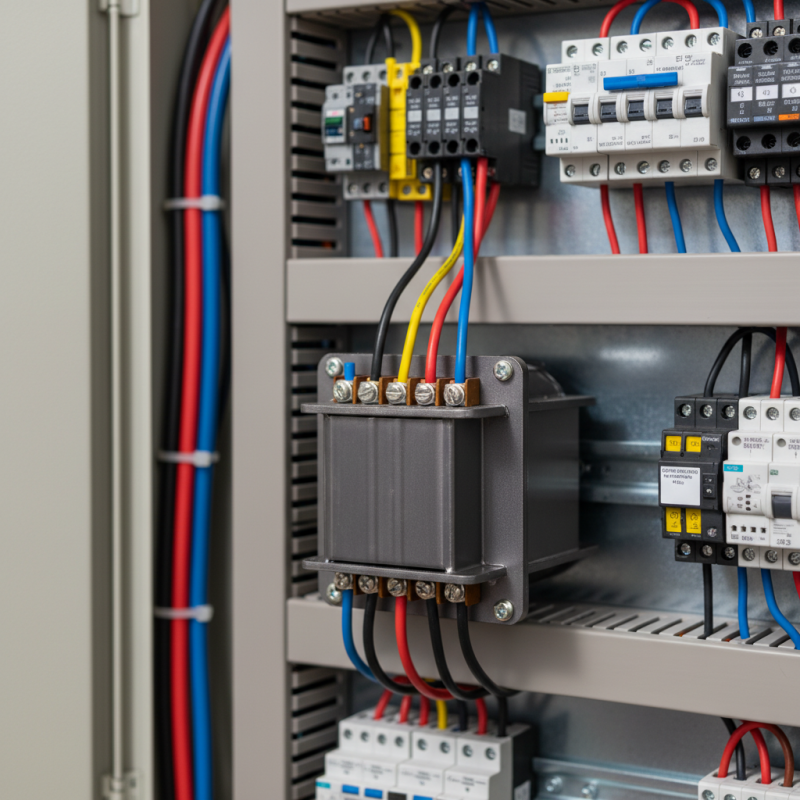
What is BKC Series Control Transformers and How Do They Work?

Definition and Purpose of BKC Series Control Transformers

BKC Series Control Transformers are vital components in electrical control systems. Their main purpose is to provide low-voltage control power. These transformers convert higher voltage inputs into safer, usable levels for control circuits. Typically, they operate at voltages between 120V to 480V, depending on the application. Industry reports indicate that improper usage can lead to inefficiencies and system failures.

In various industrial applications, BKC transformers enhance control reliability. They ensure that relay coils and control devices receive the right voltage. This improves operational safety. According to the latest data from the Institute of Electrical and Electronics Engineers (IEEE), equipment failure rates drop significantly when using quality control transformers. The reduction can be as much as 30% with proper implementation.

Despite their importance, users sometimes overlook installation best practices. Misconfiguration can cause overheating or diminished lifespan of the transformers. Regular maintenance checks are essential. Industry experts recommend monitoring performance periodically to ensure optimal function. Addressing potential issues proactively can avoid costly downtime and enhance system integrity. The use of BKC Series Control Transformers has a clear role, but users must remain attentive to their specific needs and conditions.

Key Components of BKC Series Control Transformers

BKC Series Control Transformers are specialized electrical devices. They play a critical role in the control of voltage levels within various systems. Understanding their key components helps to appreciate their functionality.

The primary component of a BKC Series Control Transformer is its core. This magnetic core is made of high-quality silicon steel. It efficiently channels magnetic flux, minimizing energy loss. Another essential component is the primary and secondary windings. These copper coils are precisely wound to transform voltage levels. They ensure the output voltage matches the required specifications. Insulation plays a pivotal role as well, protecting against short circuits and ensuring safe operation.

These transformers also incorporate a thermal protection system. It prevents overheating, guarding the transformer against potential damage. Monitoring the temperature is vital for maintaining efficiency. Users often overlook maintenance, yet it’s crucial for longevity. Regular checks can prevent failures. Users should also clean dust from vents and connections. This simple task can significantly enhance performance. Overall, understanding these components leads to a better insight into the importance of BKC Series Control Transformers.

Operational Principles of BKC Series Control Transformers

BKC Series Control Transformers play a critical role in modern electrical systems. They step down voltage to safe levels for control circuits and devices. These transformers help in regulating voltage, ensuring the efficient operation of electrical equipment. They are essential in industrial settings, providing stable power to control systems.

The operational principles of BKC Series Control Transformers revolve around electromagnetic induction. When alternating current flows through the primary winding, it creates a magnetic field. This field induces a voltage in the secondary winding, effectively reducing voltage levels. The design includes multiple taps, allowing for voltage adjustments as needed. High-quality insulation materials prevent energy loss, increasing overall efficiency.

However, not all transformers are equal. Some may have limitations regarding load capacity and temperature management. Users should consider these factors. It's also vital to reflect on the installation environment. Adverse conditions can impact performance. Regular maintenance checks are necessary to ensure reliability and longevity. Understanding these aspects can enhance operational efficiency and safety.

Applications of BKC Series Control Transformers in Industry

The BKC series control transformers are vital in various industrial applications. These transformers step down voltage levels, ensuring sensitive equipment receives the appropriate power supply. They play a crucial role in automation systems, where precise voltage control is essential. The ability to adjust voltage levels helps to protect delicate components from potential damage.

In manufacturing, BKC transformers are often used to power control panels and relay circuits. These components require stable voltage to operate correctly. Irregular voltage can lead to malfunctions in automated processes. By providing reliable power, BKC transformers help improve overall efficiency. Moreover, they are utilized in HVAC systems for monitoring and controlling environmental conditions. This makes them integral in maintaining optimal workplace environments.

Despite their significant benefits, there are challenges in using BKC transformers. Sizing and placement can impact performance. Incorrect installation can lead to inefficiency. Industry professionals must assess energy needs carefully to avoid common pitfalls. It's essential to have a clear understanding of system requirements for optimal transformer integration. This attention to detail can help prevent potential setbacks in operation.

BKC Series Control Transformers Applications in Industry

Benefits and Limitations of Using BKC Series Control Transformers

BKC Series Control Transformers play a vital role in various industrial applications. Their purpose is to ensure that control circuits operate efficiently and safely. These transformers help in stepping down voltage levels while isolating controls from high-voltage sources. This isolation is crucial for protecting sensitive equipment from potential damage.

The advantages of using BKC Series Control Transformers include improved energy efficiency and enhanced operational safety. Reports indicate that transformers can reduce energy losses by approximately 30% in control circuits. They also maintain stable voltage levels, which is essential for the reliability of electronic devices. However, there are limitations to consider. For instance, their compact design can lead to overheating issues if not properly ventilated. Additionally, the initial investment costs might deter some users despite long-term savings.

In some cases, the reliance on certain transformer models may lead to unexpected failures. Regular maintenance is often required to ensure optimal performance. Not addressing these maintenance needs can result in operational downtime. Users must weigh the pros and cons carefully before making decisions. Balancing efficiency and reliability with potential drawbacks is key to making informed choices in industrial settings.