2026 Best Solar Container Solutions for Sustainable Living?
As the demand for sustainable living solutions grows, solar container initiatives have emerged as innovative alternatives. According to a report from Allied Market Research, the global solar power market is expected to reach $223.3 billion by 2026, highlighting the potential of combining solar energy with modular living spaces. These solar containers serve as versatile, eco-friendly homes capable of generating renewable energy.
solar container designs often prioritize efficiency and ease of transport. They're typically constructed from repurposed shipping containers, making them both functional and environmentally responsible. Additionally, a study by the International Renewable Energy Agency (IRENA) suggests that integrating solar technology into buildings can reduce energy costs by up to 40%. However, challenges remain in the scalability of these solutions and their accessibility to low-income communities.
While solar containers present numerous benefits, it is crucial to address potential limitations. Many designs may lack sufficient insulation, affecting energy efficiency. Moreover, the initial investment might deter many potential users, despite long-term savings. Continued innovation and community engagement will be vital for maximizing the impact of solar containers on sustainable living.
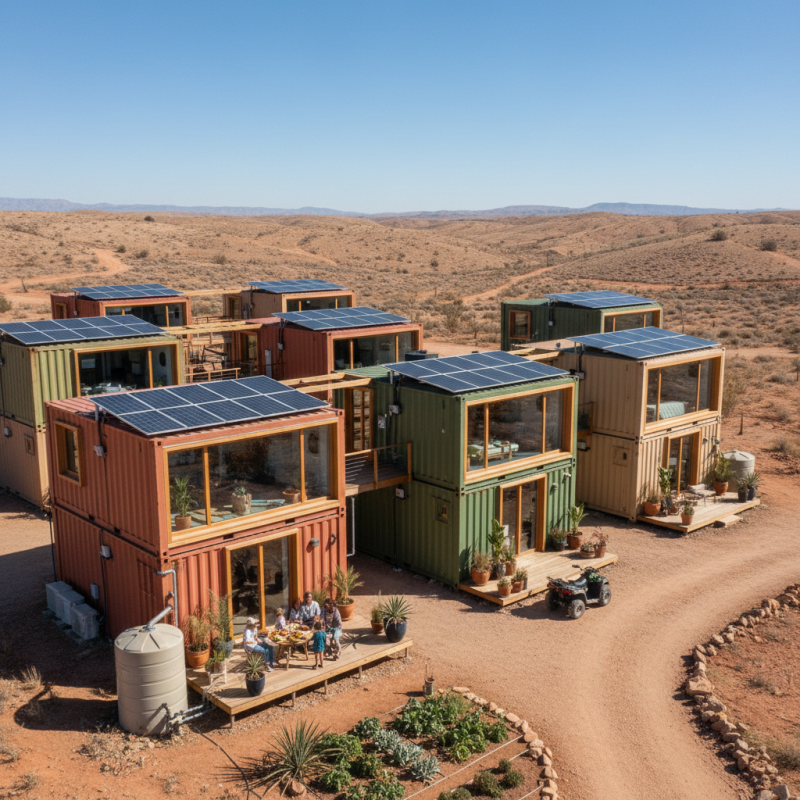
2026 Trends in Solar Container Solutions for Eco-Friendly Living
As we move towards 2026, solar container solutions are gaining traction for eco-friendly living. These innovative structures combine solar energy systems with portable, sustainable designs. They offer adaptable living spaces while minimizing environmental impact.
The trend highlights the blend of functionality and sustainability. These containers can be transformed into homes, offices, or community spaces. Their modular nature allows flexibility in design and use. Solar panels provide clean energy, reducing reliance on fossil fuels. However, challenges remain in energy storage and efficiency.
Some containers may not capture enough sunlight during winter months. Additionally, their installation can sometimes be cumbersome. Reflecting on these issues is crucial for improving future designs. The quest for truly sustainable living continues, pushing us towards more effective solutions.
Key Technologies Driving Solar Container Innovations in 2026
The rise of solar container solutions is transforming sustainable living. As we look towards 2026, key technologies are leading this evolution. Solar panels are becoming more efficient, boasting conversion rates exceeding 25%. This means more energy from less surface area, a crucial factor for compact living environments. According to a recent report by the International Renewable Energy Agency, solar energy deployment has surged by 20% annually.
Battery storage technology is also crucial. Advances in lithium-ion batteries have increased energy density significantly. This allows solar containers to store more energy for nighttime use. Some containers can operate off-grid, thanks to these innovations. The ability to monitor energy usage through smart technology further enhances efficiency. IoT devices can optimize power consumption in real-time.
However, challenges remain. Installation costs can be high for some users. Maintenance of solar systems often requires trained personnel. Not everyone may have access to these resources. Additionally, the lifecycle of solar panels can affect sustainability. Some materials used in panels are not fully recyclable. These factors necessitate ongoing discussions on the true sustainability of solar containers. The journey to widespread adoption is not straightforward, but the potential rewards are immense.
Comparative Analysis of Solar Container Efficiency and Performance
The energy efficiency of solar container solutions has gained significant attention in recent years. According to a report by the International Renewable Energy Agency (IRENA), solar containers can improve energy yield by up to 25% compared to traditional solar setups. These compact units convert sunlight into power efficiently, making them ideal for sustainable living.
However, not all solar containers are created equal. Factors like location, orientation, and local climate heavily influence performance. A study from the National Renewable Energy Laboratory indicates that factors such as shading can reduce efficiency by 15% to 30%. It's crucial to carefully assess these variables before making any investment in solar container technology.
**Tip:** Always evaluate the local climate when assessing solar container options.
Another area of concern is the lifecycle of solar containers. The manufacturing process and disposal of materials can impact sustainability. Reports highlight the importance of recycling programs for solar panel components to mitigate environmental harm. Ensuring the chosen solution aligns with commitments to sustainability is essential.
**Tip:** Consider the full lifecycle of materials in solar containers.
2026 Best Solar Container Solutions for Sustainable Living
| Container Type | Solar Efficiency (%) | Battery Capacity (kWh) | Total Area (sq ft) | Estimated Cost ($) |
| Standard Container | 18.5 | 10 | 320 | 25,000 |
| High-Efficiency Container | 22.0 | 15 | 320 | 35,000 |
| Compact Container | 15.0 | 8 | 256 | 20,000 |
| Luxury Container | 20.5 | 12 | 400 | 40,000 |
| Eco-Friendly Container | 19.0 | 10 | 320 | 30,000 |
Cost-Benefit Evaluation of Solar Containers in Sustainable Housing
As the world moves towards sustainable living, solar containers are emerging as a viable solution. These units can convert sunlight into energy, providing a renewable power source. A recent report by the International Energy Agency indicates solar energy could provide up to 30% of the world’s energy needs by 2030. This shift can lead to substantial cost savings. However, the initial investment may deter some potential users.
Solar containers typically have a payback period of 5 to 10 years. This can vary based on energy prices and usage patterns. While that might seem lengthy, potential savings can reach thousands annually. In certain cases, users report savings close to $1,000 per year. Yet, not all environments are ideal for solar containers. Locations with low sunlight may yield disappointing results.
Tips: Assess your location's sunlight exposure. This information is crucial; inadequate sunlight means poor energy production. Don’t rush into purchasing. Calculate potential savings based on energy usage and regional costs. Lastly, consider local incentives for solar projects. They can significantly reduce that initial investment hurdle.
Future Prospects: Market Growth and Adoption Rates for Solar Containers
As the world increasingly embraces sustainable living, solar container solutions are gaining traction. A recent report estimates the global market for solar containers will grow at a compound annual growth rate (CAGR) of 22% from 2023 to 2030. This growth is driven by a rising awareness of energy efficiency and eco-friendly practices. Solar containers, often made from repurposed shipping containers, offer versatile energy solutions for homes and businesses.
Adoption rates are improving, but challenges remain. Many regions lack supportive regulations. Financing options can be limited for potential users. According to industry insights, only 15% of households currently utilize solar containers. This indicates a significant opportunity for expansion. Educating consumers on the environmental benefits and cost savings is essential.
The technology is evolving too. Innovations in solar cell efficiency and storage options promise to enhance performance. As these improvements roll out, they spark interest from consumers and investors alike. Future prospects look promising, but real progress requires collaboration among all stakeholders. Engagement and advocacy can drive adoption rates higher in coming years.