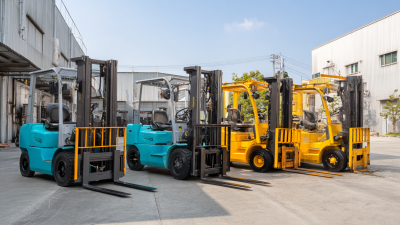

10 Best Forklift Equipment Suppliers for Global Buyers?
Choosing among the 10 best Forklift Equipment suppliers requires more than comparing prices or polished product photographs. Global buyers must match each machine to real working conditions: load capacity, lift height, aisle width, floor surface, shift length, and available power. A forklift moving pallets inside a cool warehouse faces different demands from one working outdoors on uneven ground. Small details matter.
Toyota production expert Taiichi Ohno’s reminder, “Where there is no standard, there can be no kaizen,” offers a useful lens for evaluating equipment and support. Buyers should compare specifications consistently, then check practical details: parts availability, technician coverage, warranty terms, operator training, and delivery support. A low purchase price may look attractive until a replacement component takes weeks to arrive. Service access matters.
This guide introduces suppliers serving international buyers and outlines what to examine before requesting a quote. It considers product range, electric and internal-combustion options, customization, and after-sales capabilities without assuming that one brand suits every operation. A supplier’s global presence is not, by itself, proof of strong local support. Ask for references from comparable fleets, clear service arrangements, and written specifications. Even then, a shortlist can miss local realities, such as narrow loading bays or seasonal workload changes. No ranking replaces a site assessment. Use these comparisons to ask sharper questions, verify claims, and identify the supplier best suited to your operation—not simply the most familiar name.
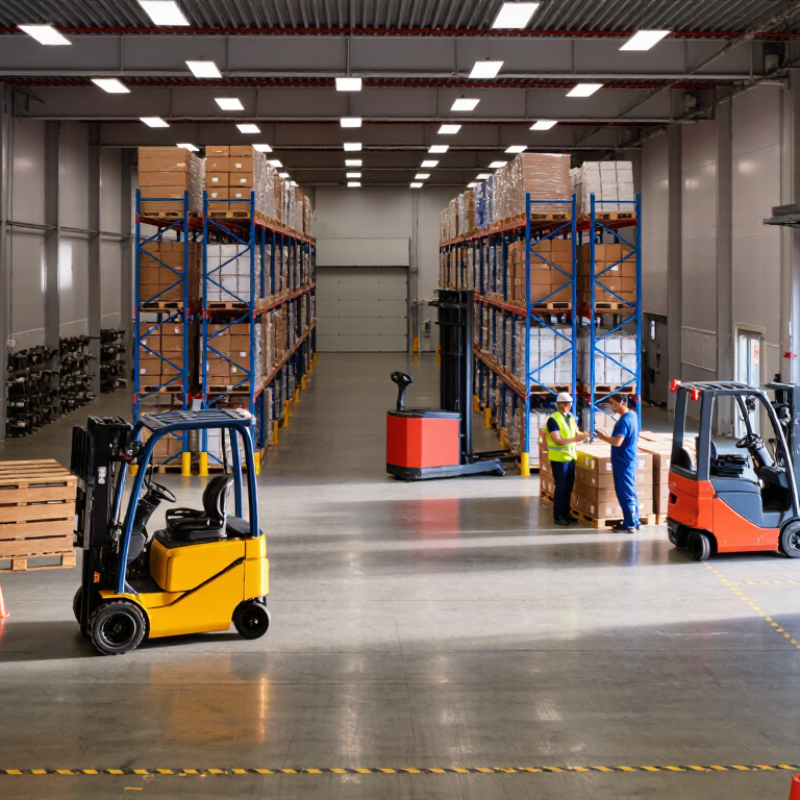
Key Criteria for Evaluating Forklift Equipment Suppliers Worldwide
A forklift supplier should match the working conditions, not just the requested price. Share the load’s weight, dimensions, lift height, and load center. Include aisle widths, floor conditions, and daily operating hours. Small details matter. A compact electric truck may suit a clean warehouse, while rough yards often call for different tires and power. Ask for written specifications and confirm that attachments do not reduce usable capacity. Check whether manuals, operator training, and parts support are available in your working language. For cross-border purchases, verify that equipment documents match the destination market’s requirements.
Supplier reliability becomes visible after delivery. Ask how quickly common parts, such as forks, tires, and filters, can be supplied. Request realistic service response times, warranty exclusions, and a clear delivery schedule. Compare total operating costs, including shipping, maintenance, battery replacement, and likely downtime. Speak with customers who use similar equipment in similar shifts. If possible, inspect a machine or arrange a practical demonstration with a representative load. No scorecard is perfect. A polished presentation can still hide slow parts support, and a lower quote may omit essential service. Record unanswered questions before comparing offers.
Profiles of 10 Leading Forklift Equipment Suppliers
Global buyers can compare ten useful supplier profiles by capability, not by unsupported ranking. A full-line manufacturer covers counterbalance and warehouse trucks for mixed fleets. An electric specialist suits indoor sites needing quiet operation and local emissions control. A rough-terrain builder serves uneven yards and outdoor material handling.
A compact-equipment producer fits narrow aisles and smaller warehouses. An automation integrator connects trucks with guided routes, sensors, and warehouse software.
Uptime matters.
A rental-led supplier helps manage seasonal demand without long-term fleet commitments. A regional dealer offers nearby parts and technicians, though coverage varies by location. A refurbishment supplier can extend truck life, but buyers should inspect battery health and service records. An attachment specialist matches clamps, forks, and other tools to specific loads. A fleet-service provider tracks inspections, maintenance, and equipment use.
OSHA’s Powered Industrial Trucks guidance estimates about 85 fatal accidents and 34,900 serious accidents involving forklifts occur annually in the United States. That figure makes operator training and service support practical selection criteria, not side issues. Ask each supplier for parts lead times, technician response targets, and a site-specific equipment recommendation. A polished specification sheet is helpful; it can still miss a real aisle constraint.
Comparing Product Ranges, Technologies, and Industry Specialties
Choosing a forklift supplier is less about counting models and more about matching equipment to daily work. Compare counterbalance trucks, reach trucks, pallet trucks, and rough-terrain units against load weight, lift height, aisle width, and floor conditions. A 2.5-tonne truck may suit a warehouse, but attachment weight can reduce its usable capacity. Check the load chart, not just the headline rating. Details matter.
Technology should solve a real operating problem. Battery-powered models can reduce indoor exhaust, while lithium-ion systems may support opportunity charging during short breaks. Telematics can track use and maintenance alerts, but only if staff review the data. Ask suppliers about parts availability, technician response times, operator training, and service support in each destination market. A strong specialty fit also matters: cold storage needs suitable components, while construction sites may call for higher ground clearance. A polished comparison table can hide gaps in local service. I would verify those claims with written coverage details and a sample maintenance schedule.
10 Best Forklift Equipment Suppliers for Global Buyers? - Comparing Product Ranges, Technologies, and Industry Specialties
An anonymized comparison of common supplier profiles, not a ranking of named companies. Product availability, specifications, service coverage, and certifications vary by supplier, model, and market.
| Supplier Profile | Typical Product Range | Common Technologies | Industry Specialties | Potential Advantages | Buyer Checks |
|---|---|---|---|---|---|
| Full-line global manufacturer | Counterbalance forklifts, warehouse trucks, reach trucks, pallet trucks, and selected heavy-duty models. | Electric, LPG, diesel, or other market-available powertrains; telematics and fleet-management options on some models. | General manufacturing, distribution, retail logistics, and mixed-fleet operations. | Broad product choice and the potential to source multiple truck classes from one supplier network. | Confirm local parts availability, technician coverage, model certifications, and the exact specifications offered in your country. |
| Regional forklift manufacturer | A market-focused selection of counterbalance trucks and warehouse equipment, with configurations suited to regional requirements. | Powertrain and control options vary; some ranges include electric models, operator-assist features, and fleet-monitoring tools. | Local logistics, construction supply, manufacturing, and small-to-medium fleets. | May offer local-language support and products configured for regional regulations or operating conditions. | Check export experience, warranty terms, parts lead times, and the availability of qualified service providers. |
| Electric warehouse-truck specialist | Electric pallet trucks, stackers, reach trucks, order pickers, and electric counterbalance trucks, depending on the range. | Lead-acid or lithium-ion battery options may be available; regenerative braking and battery-management features depend on model. | Indoor warehouses, distribution centers, food handling, and facilities seeking to reduce onsite exhaust emissions. | Focused choice for indoor material handling and operations where noise and local emissions are important considerations. | Compare battery chemistry, charging time, shift coverage, charger compatibility, and battery replacement costs. |
| Internal-combustion forklift specialist | Typically LPG- or diesel-powered counterbalance forklifts across a range of capacities and configurations. | Internal-combustion engines, transmission and cooling options, and attachments selected for specific loads or duties. | Outdoor yards, heavy manufacturing, and applications requiring frequent refueling or operation on suitable outdoor surfaces. | Can suit demanding outdoor tasks where site conditions and operating rules permit combustion-powered trucks. | Check fuel availability, emissions rules, indoor-use restrictions, noise levels, and maintenance requirements. |
| Narrow-aisle and high-bay specialist | Reach trucks, very-narrow-aisle trucks, turret trucks, and order pickers, depending on warehouse design. | Height and travel controls, warehouse navigation aids, and operator-assist systems may be offered on selected models. | High-density storage, tall racking, and distribution centers with carefully planned aisle widths. | Equipment can be matched to narrow aisles and high storage locations to support space-efficient warehouse layouts. | Verify aisle width, lift height, residual capacity, floor condition, rack layout, and operator training needs. |
| Rough-terrain forklift specialist | Rough-terrain counterbalance forklifts and, in some ranges, telescopic handlers or other site-handling equipment. | Large tires, elevated ground clearance, and drive or traction configurations designed for uneven surfaces; features vary by model. | Construction sites, timber yards, agriculture, and outdoor material handling on suitable terrain. | Equipment is designed for outdoor ground conditions that may not suit standard warehouse forklifts. | Confirm terrain limits, rated capacity at the required load center, tire type, stability requirements, and site regulations. |
| Pallet-truck and stacker specialist | Manual and powered pallet trucks, walkie stackers, and compact warehouse trucks. | Electric drive or lift on powered models; battery type, controls, and safety features vary across product lines. | Retail backrooms, loading areas, small warehouses, and short-distance pallet movement. | A focused option for pallet movement and lower-level stacking where a larger forklift may be unnecessary. | Check lift height, load capacity, turning space, ramp suitability, duty cycle, and operator requirements. |
| Heavy-capacity forklift supplier | High-capacity counterbalance forklifts and specialized trucks for heavy or oversized loads. | Heavy-duty powertrains, load-handling attachments, and operator-assist features may be available for specific applications. | Ports, steel processing, paper, timber, and heavy industrial operations. | Can provide equipment configured for loads beyond the typical capacity range of warehouse forklifts. | Assess load dimensions and center, attachment effects on capacity, site surfaces, transport logistics, and maintenance support. |
| Automated material-handling integrator | Automated guided vehicles or autonomous mobile robots for selected transport tasks, sometimes integrated with conventional forklifts. | Navigation, sensors, fleet-control software, and warehouse-system interfaces; system capabilities depend on site design and equipment. | Repetitive, planned material flows in manufacturing and distribution facilities. | May automate defined transport routes and support integration with other material-handling systems. | Request a site survey and validate safety planning, integration scope, uptime assumptions, fallback procedures, and total project cost. |
| Multi-brand dealer and rental provider | New and used forklifts, warehouse trucks, rentals, attachments, parts, and service, subject to local inventory. | Technology depends on the equipment represented; service portals, telematics support, and fleet tools may be available. | Buyers needing mixed fleets, seasonal capacity, short-term rentals, or local maintenance support. | Can offer access to multiple equipment types and rental options through a local sales or service network. | Confirm authorized service status, rental terms, used-truck inspection records, parts sourcing, and response-time commitments. |
Assessing Global Reach, Service Networks, and Parts Availability
When comparing forklift equipment suppliers, global reach should mean more than shipping to many countries. Ask where technicians are based, which regions receive on-site support, and how service requests are handled across time zones. A sales office is not a service network. Request realistic response windows for the ports, warehouses, and remote sites where equipment will operate. Small details matter.
Parts availability deserves equal scrutiny. Ask for typical lead times on filters, tires, forks, hydraulic hoses, and electrical components. Check whether common wear items are stocked near your operating region or shipped from a central warehouse. A supplier may advertise broad inventory, yet not every part will be available immediately. Get critical-item lead times in writing and confirm how substitutions are approved.
Compare warranty support, technician training, language coverage, and access to service manuals. These details can shape downtime more than the purchase price. Talk with customers operating similar fleets, if possible, and ask how urgent repairs were handled—not only whether they were satisfied. One caution: published service coverage can change, and a directory may lag behind reality. Record local contacts and escalation routes in the service agreement.
How Global Buyers Can Select a Supplier for Their Needs
A reliable forklift supplier should fit the work, not just offer an attractive price. Start with the operating details: rated load, lift height, aisle width, floor condition, and daily running hours. A 2.5-tonne truck may suit pallet handling, but long loads or uneven outdoor surfaces can change the choice. Share these conditions with suppliers and ask for a written specification. Details matter.
Check how clearly each supplier explains equipment limits, maintenance intervals, warranty coverage, and parts availability. For cross-border purchases, confirm the machine’s voltage or charging setup, shipping dimensions, documentation, and service options in your destination. Ask for references from buyers with similar applications, plus sample inspection or test records where available. Compare the full ownership cost, including batteries, tyres, freight, and expected maintenance—not only the quote.
Communication is part of the product. Note how promptly a supplier answers technical questions and whether the answers stay consistent. No checklist catches everything. A response that avoids specifics may deserve another question, while a polished brochure alone proves little. It is easy to overvalue a low initial price; I would pause and check who can supply parts six months later. Keep the final requirements in writing, and leave room to revise them when site conditions are better understood. That takes time.
10 Best Forklift Equipment Suppliers for Global Buyers
How to match equipment capacity to your operation when evaluating suppliers.
Indicative rated-capacity ranges vary by model and configuration; they are not supplier rankings or market averages. Compare each supplier’s exact model specifications, load centre, operating conditions, parts availability, and local service coverage before buying.
Related Posts
-
Maximizing Efficiency: A Comprehensive Guide to Choosing the Right Home Forklift for Your Needs
-
Top 10 Home Forklift Options for Global Buyers?
-
10 Proven Benefits of Using Scrap Forklifts for Efficient Material Handling
-
How to Operate a Fork Lift Safely and Efficiently?
-
Why Choose a Floor Forklift for Your Warehouse Needs?
-
10 Forklift Equipment Buying Tips for Global Buyers