Best Alloy Powder Grader for Optimal Performance and Quality?
Finding the right Alloy Powder Grader is essential in today's manufacturing landscape. According to industry reports, the demand for quality alloy powders is increasing. In 2022, the market saw a growth rate of 15% in this segment. It reflects the necessity for precision grading to ensure high performance.
However, not all graders deliver the same results. Some models struggle with consistency, leading to batches that don't meet required specifications. A good Alloy Powder Grader should provide tight particle size distributions and accurate grading capabilities. These factors are crucial for applications in aerospace and automotive sectors.
Moreover, many manufacturers face challenges when selecting the best equipment. It’s essential to consider not just the price but also long-term performance and maintenance needs. The right choice can drastically affect production efficiency and product quality. Awareness of these shortcomings can guide better decision-making.
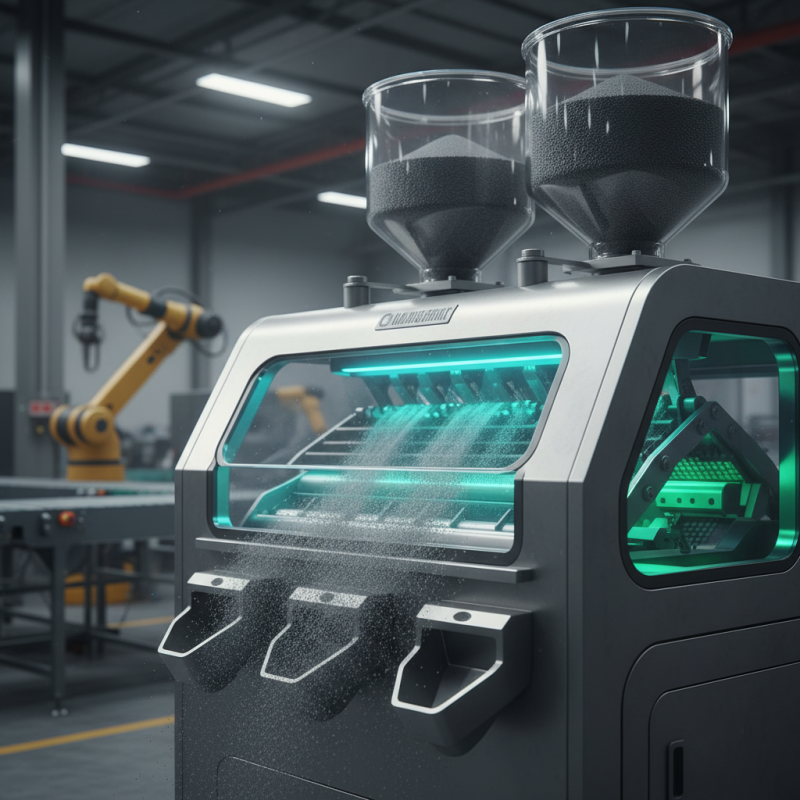
Overview of Alloy Powder Grading and Its Importance in Manufacturing
In the manufacturing world, alloy powder grading plays a crucial role in ensuring quality. Proper grading influences the end product's strength and durability. Each application may require specific particle sizes or shapes. When these requirements are not met, it can lead to failure in the final product.
Manufacturers often face challenges with inconsistent grading processes. This inconsistency may arise from various factors, such as improper equipment settings or operator errors. Without reliable grading, production efficiency is compromised. The quality of the alloy powder may not meet industry standards, resulting in financial losses.
Companies must invest in effective grading techniques to overcome these challenges. Advanced grading machinery can improve accuracy. Regular calibration and maintenance are essential, yet often overlooked. Creating a quality control system can significantly reduce mistakes. In the end, taking the time to refine grading practices is vital for success.
Types of Alloy Powder Graders Available in the Market
When choosing an alloy powder grader, it’s essential to understand the types available in the market. Various models cater to different needs. Some are designed for fine powders, while others excel with coarser materials. Each type has its strengths and weaknesses. The fine grading models often produce precise results but may be less efficient with larger particles.
Another type is the bulk powder grader. This option works well for larger quantities. However, it may sacrifice some precision. The versatility of bulk graders makes them appealing. Yet, users might notice inconsistency in the results over time. Regular maintenance is crucial to achieve optimal performance.
Some alloy powder graders incorporate advanced technologies for better accuracy. While these features can enhance performance, they may also complicate operation. Users often find themselves grappling with complex settings. Striking a balance between technology and usability remains a challenge. Overall, understanding these types helps in making a more informed choice.
Best Alloy Powder Grader for Optimal Performance and Quality?
| Type of Grader | Application | Performance Rating | Quality Assurance | Price Range ($) |
| Air Classifier | Fine Powder Separation | 4.5/5 | ISO 9001 Certified | 2000 - 5000 |
| Vibratory Grader | Metal Powder Sorting | 4.2/5 | CE Marked | 1500 - 4000 |
| Mechanical Grader | Heavy-Duty Applications | 4.0/5 | ASTM Compliant | 3000 - 6000 |
| Laser Grader | Precision Powder Measurement | 4.8/5 | ISO/IEC Certified | 5000 - 10000 |
| Rotary Grader | General Powder Separation | 4.3/5 | FDA Approved | 1800 - 4500 |
Key Features to Consider When Choosing an Alloy Powder Grader
When selecting an alloy powder grader, specific features are essential for optimal performance. One critical aspect is the grading accuracy. A machine that consistently delivers precise results ensures uniformity in the powder produced. Inconsistent grading leads to variations in the final product, affecting quality. Equipment that allows for easy calibration can save time and effort.
Another important consideration is the range of particle sizes the grader can handle. It should accommodate fine and coarse powders. This versatility allows users to work with various materials. A machine that struggles with finer particles can create bottlenecks in production. Regular maintenance should also be a factor. Durability often correlates with how well a piece of equipment performs over time.
Finally, ease of use plays a significant role. A complex interface can frustrate operators and lessen productivity. User-friendly designs can help reduce errors. However, simpler models might lack advanced features. This trade-off can be a point for reflection. Choosing the right alloy powder grader requires careful thought on these elements, ensuring that each choice aligns with production goals.
Technological Innovations in Alloy Powder Grading Equipment
Technological innovations in alloy powder grading equipment are transforming the manufacturing landscape. Companies now leverage advanced algorithms for precise grading. These algorithms analyze particle size and distribution with impressive accuracy. Laser technology plays a crucial role in this process. It ensures even the finest powders are graded correctly. Many systems still struggle with consistency, though.
Automated grading devices offer numerous advantages. They improve productivity and reduce human error. However, some operators report calibration difficulties. Maintaining these machines can also be challenging. Regular maintenance is vital to avoid costly downtimes. Investing in user-friendly interfaces may help streamline operations. Yet, even the best equipment requires careful handling and training.
The speed of technological advancements leaves some manufacturers behind. They may hesitate to adapt to new methods. Those who embrace innovation often see substantial improvements. However, rushing into new technology can lead to mistakes. It's essential to strike a balance between innovation and practical application. Quality should never be compromised in the pursuit of efficiency.
Best Practices for Maintaining Optimal Performance of Alloy Powder Graders
Maintaining optimal performance for alloy powder graders requires regular attention and care. Regular cleaning is essential. Even small amounts of residue can impact the grading process. Consider using compressed air to remove dust and particles. Lubricating moving parts helps ensure smooth operation. This can reduce wear and tear over time.
Calibration is another critical practice. An uncalibrated grader can lead to inconsistent results. Check alignment and settings regularly. Proper training of operators also ensures the equipment is used correctly. Mistakes made during operation can lead to inaccurate grading.
Monitoring performance metrics matters. Track how the equipment performs over time. Analyze any fluctuations in output. This might indicate maintenance needs or necessary adjustments. Evaluate if the grading process matches the required standards. Reflect on potential areas of improvement. The goal should always be enhanced efficiency and quality.
Best Alloy Powder Grader Performance Analysis