Top Benefits of Using Metal Tin Cans for Packaging Solutions?
In the modern packaging industry, Metal Tin Cans have emerged as a preferred choice for many businesses. Industry expert Dr. Emily Harris, a packaging technology specialist, states, "Metal Tin Cans not only protect the product but also enhance its shelf life." This insight highlights the multifaceted benefits of using these cans.
Metal Tin Cans are more than just containers; they are a sustainable packaging solution. Their durability ensures that food and beverages remain fresh for extended periods. Additionally, the recyclable nature of tin cans helps reduce waste, appealing to eco-conscious consumers. Yet, some may overlook the energy required for production, which raises sustainability questions.
Moreover, the aesthetic appeal of Metal Tin Cans adds value to branding. They can be easily printed with vibrant designs, attracting consumers at points of sale. However, brands must continually innovate to stand out in a crowded market. While the benefits are significant, companies should remain mindful of their environmental impact and strive for responsible sourcing practices.
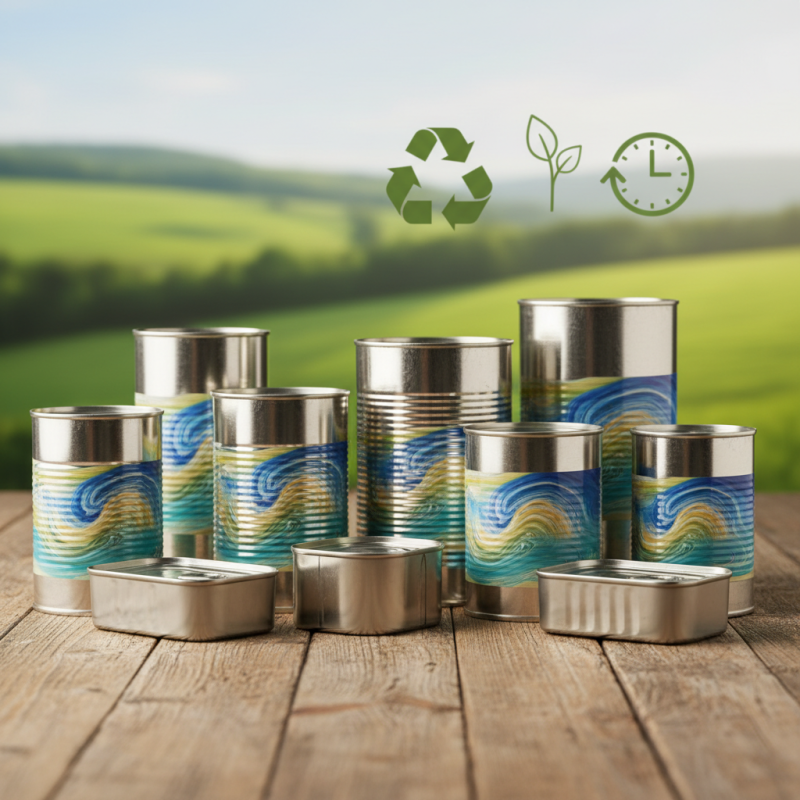
Advantages of Metal Tin Cans in Packaging Applications
Metal tin cans offer numerous advantages that make them an excellent choice for packaging. Their strength provides a robust barrier against physical damage and environmental factors. This durability ensures that products maintain their quality during storage and transport. Unlike plastic, tin cans are recyclable and contribute to sustainability. Using recyclable materials reduces waste and supports eco-friendly practices.
Another significant benefit is the effective preservation of contents. Metal tin cans protect food and beverages from light, air, and moisture. This protection extends the shelf life and maintains flavor integrity. Additionally, the non-reactive nature of tin makes it safe for various products, including acidic items. However, some may question the potential for metallic taste over long periods. This concern can be addressed by using proper linings in the cans, enhancing product reliability.
Moreover, metal tin cans deliver marketing advantages. They can be easily printed with vibrant designs, boosting shelf appeal. The visual aspect plays a role in consumer choices, sometimes overshadowing product quality. It's essential to balance aesthetics with functionality. Regular evaluations can ensure that designs remain impactful without compromising the can's effectiveness. Engaging in this continuous reflection aids in meeting evolving market demands.
Durability and Preservation of Contents in Tin Cans
Tin cans are increasingly recognized for their ability to preserve contents effectively. The durable nature of metal tin cans contributes to their functionality, allowing for long-term storage of a variety of products. According to industry data, tin cans can extend the shelf life of food products by up to five years, making them an attractive option for both manufacturers and consumers. The airtight seal ensures that contents remain fresh, safeguarding against spoilage and contamination over time.
When choosing packaging solutions, consider the benefits of durability. A report from the International Journal of Food Science indicates that tin cans are resistant to light and moisture, which can degrade product quality. This resistance not only protects the contents but also reduces waste. The cans are designed to withstand rough handling, making them suitable for various environments, from warehouses to delivery trucks.
**Tips:** Always check for dents or rust on cans before purchase. These imperfections can compromise the seal. Also, store cans in a cool, dry place to maintain their integrity. Remember, while tin cans are robust, proper storage is essential for maximum preservation. Careful handling can further extend their lifespan, ensuring that your products remain safe and nutritious.
Top Benefits of Using Metal Tin Cans for Packaging Solutions
| Feature | Benefit | Impact on Contents |
| Durability | Resistant to damage during shipping and storage | Reduces spoilage and loss of product |
| Preservation | Seals contents effectively from air and moisture | Extends shelf life without preservatives |
| Recyclability | Easily recyclable material | Environmentally friendly, reducing carbon footprint |
| Cost-Effectiveness | Low manufacturing and material costs | Affordable packaging solution, enhancing profit margins |
| Versatility | Suitable for a variety of contents | Adaptable to different products and markets |
Environmental Sustainability of Metal Tin Packaging
Metal tin cans are increasingly favored for their environmental advantages. Research indicates that these cans are recyclable and can be reused multiple times. About 76% of tin cans are recycled globally. This high recycling rate reduces the demand for raw materials, thus conserving natural resources. Recycling one ton of metal can save 1,400 kilograms of ore, significantly lowering mining impacts.
Moreover, metal tin packaging is energy-efficient. Production processes for aluminum and plastic can generate higher CO2 emissions. In contrast, tin can production emits 35% less greenhouse gas. This sustainability factor makes tin cans an attractive option for eco-conscious brands and consumers alike. Conducting life cycle assessments shows that switching to tin cans could lower a product's overall carbon footprint.
However, not all metal packaging practices are perfect. Contamination during the recycling process can lead to wasted materials. Additionally, while tin is less harmful than other packaging materials, mining practices raise environmental concerns. The industry must address these challenges to enhance sustainability. Through innovation, metal tin cans can evolve and contribute to a greener future.
Versatility of Tin Cans for Various Product Types
Metal tin cans are an excellent choice for packaging a variety of products, demonstrating remarkable versatility. Their design allows for effective storage and preservation of items ranging from food to cosmetics. According to the Metal Packaging Manufacturers Association, over 90% of metal containers are recycled, highlighting their eco-friendly nature. This aligns with the increasing consumer demand for sustainable products.
Tin cans can accommodate different shapes and sizes of products. For example, they can be used for liquids, solids, or powders. The ability to create airtight seals ensures that contents remain fresh. Data from a recent industry report shows that canned food sales rose by 15% during the last economic downturn, showcasing the reliability of this packaging method.
Tip: When choosing cans, consider the lid design as it influences ease of opening.
Moreover, tin cans offer strong protection against light and moisture, extending shelf-life. However, not all businesses utilize this packaging effectively, sometimes leading to product spoilage. This suggests a need for better performance analysis.
Tip: Always test different sizes to find the best fit for your product.
Versatility in packaging translates to broader market opportunities. However, companies must avoid relying solely on this option. They should explore creative designs to differentiate products on shelves.
Cost-Effectiveness of Using Metal Tin Cans in Packaging Solutions
Metal tin cans stand out as a cost-effective solution for packaging across various industries. Their durable nature ensures that products remain safe and secure. The initial investment is often lower than alternative packaging options like glass or plastic. This affordability attracts many businesses looking to optimize their production budgets.
These cans are lightweight, reducing shipping costs. They stack efficiently in warehouses, maximizing storage space. Businesses can benefit from lower logistics expenses. However, there are considerations. The recycling process for metal cans, while beneficial, can involve additional costs for some companies. Understanding these details is crucial to making informed decisions.
Moreover, metal tin cans have a long shelf-life, which helps reduce waste and spoilage. This longevity often translates to savings in terms of product freshness. Yet, organizations must evaluate if the initial cost savings will outweigh possible long-term challenges. Exploring the trade-offs is essential for achieving sustainable packaging solutions.