Air Muffler Silencer Tips for Optimal Noise Reduction?
In the world of noise reduction, the role of the "Air Muffler Silencer" remains crucial. Industry expert, Dr. James Mitchell, states, "A well-designed air muffler silencer is essential for effective noise reduction." His insights reflect the industry's focus on creating quieter environments.
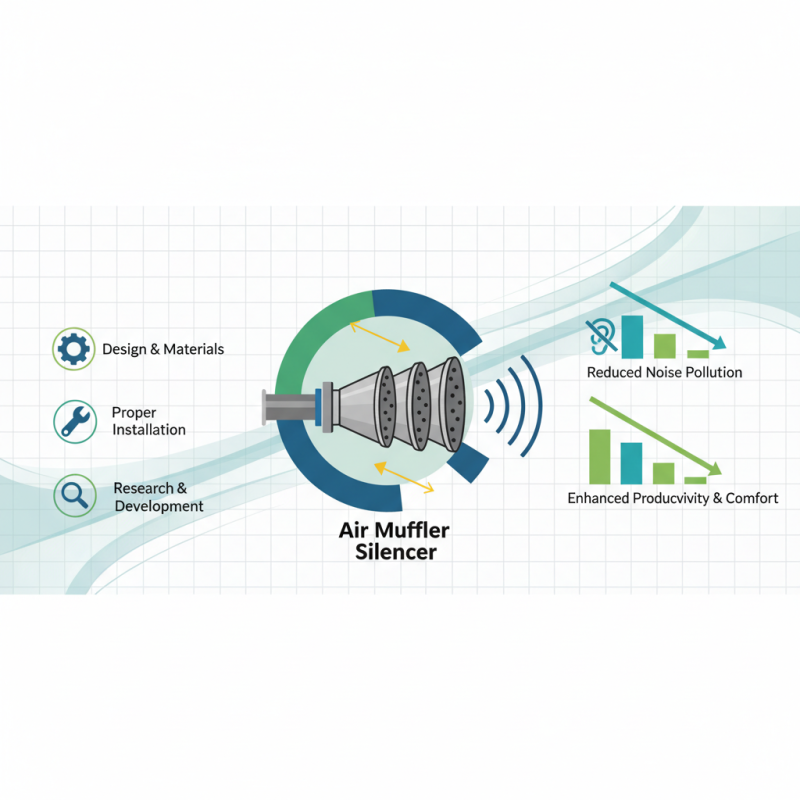
Noise pollution affects both urban and rural settings. Many people overlook the importance of air mufflers in everyday machines. Reducing noise not only improves comfort but also enhances productivity. However, achieving optimal noise reduction requires careful consideration of various factors. It’s not just about installation; the design and materials play significant roles too.
Despite advancements, many air muffler silencers still fall short. Users often face unexpected noise levels. Sometimes, the silencer does not align perfectly with the exhaust system. These inefficiencies highlight the need for ongoing research and development. Each failure offers a chance for improvement, pushing the industry toward better solutions.
Understanding the Importance of Air Muffler Silencers in Noise Control
Air muffler silencers play a crucial role in managing noise levels across various industries. Studies indicate that industrial noise can exceed 100 dB, posing health risks to workers. Persistent exposure at these levels can lead to hearing loss and increased stress. A research report from the National Institute for Occupational Safety and Health highlights that effective noise control can reduce these risks significantly, with proper mufflers contributing to a 30% noise reduction.
Installing an air muffler silencer not only enhances workplace safety but also improves productivity. When noise levels drop, employees can focus better. Noise distractions often lead to mistakes. A quiet environment encourages clearer communication and efficient operations. One report notes that ambient noise reduction can increase worker efficiency by up to 25%.
However, not all mufflers are created equal. Choosing the right type is essential. Some designs may not provide sufficient attenuation for specific applications. Many companies might overlook this, resulting in inadequate noise control. It’s vital to assess the noise reduction needs carefully. Sometimes, additional soundproofing measures may become necessary. Relying solely on mufflers can be shortsighted. A comprehensive approach yields the best results.
Mechanisms of Noise Reduction in Air Mufflers and Their Design Features
Air mufflers are crucial for reducing noise in various systems. Their design incorporates several mechanisms to achieve optimal sound attenuation. One key feature is the use of sound-absorbing materials within the muffler. These materials trap sound waves, minimizing their transmission. Additionally, the shape of the muffler can significantly impact noise reduction. Curved paths allow sound waves to disperse more effectively.
Another important aspect lies in the configuration of internal chambers. These chambers can create destructive interference, further diminishing noise levels. The placement and size of these chambers must be carefully calculated. Small errors in design can lead to inadequate noise reduction.
Yet, designing an effective air muffler is not straightforward. Factors such as airflow resistance can also play a role. Improving sound quality might compromise efficiency. Striking the right balance often requires trial and error. Each system has unique challenges that demand tailored solutions. A perfect design is often elusive, prompting ongoing revision and innovation.
Industry Standards for Noise Levels: Regulations and Best Practices
When it comes to noise reduction in industrial settings, adhering to industry standards is crucial. Different regulations set specific noise level limits. These limits protect workers and the environment from excessive sound exposure. For example, many countries impose a limit of 85 decibels for continuous exposure over an eight-hour workday. Exceeding this limit can lead to hearing loss.
Implementing effective air muffler silencers is one way to mitigate noise. Proper installation is essential. The material used in mufflers significantly affects performance. Some materials absorb sound better than others. Regular maintenance checks are also vital. Over time, mufflers can become less effective due to wear and tear. Noise reduction is not a one-time effort; it requires ongoing attention.
Organizations sometimes underestimate the impact of noise on productivity. Distractions can hinder employee focus and efficiency. Employers should consider sound level monitoring as part of their best practices. This proactive approach can reveal potential issues early. Regular assessments align with regulations and enhance workplace safety. Creating a quieter environment benefits everyone involved.
Material Selection for Mufflers: Impact on Sound Absorption and Durability
Choosing the right material for mufflers is crucial for both sound absorption and durability. Various studies indicate that materials like stainless steel and aluminum offer distinct advantages. Stainless steel, for example, provides excellent corrosion resistance. Its lifespan can exceed 10 years in harsh conditions. Aluminum, while lighter, may not last as long.
Sound absorption is another key factor. Research shows that combinations of materials can enhance performance. For instance, using a layer of acoustic foam inside a muffler can reduce noise by up to 30%. This is a significant improvement compared to basic designs. However, not all materials are created equal. Often, cost-saving choices lead to a trade-off in durability. This can result in increased vibration noise over time.
It's essential to assess the intended use of the muffler. High-performance applications benefit from advanced composites and thicker linings. But these options might raise manufacturing costs. It's a complex balance between performance, durability, and expense. Users must reflect on their specific needs to make the most informed decision.
Maintenance Tips for Air Mufflers: Enhancing Longevity and Performance
Air mufflers are vital for noise control in various applications. Proper maintenance is essential for optimal performance. Regular checks ensure they function efficiently. According to a recent industry report, poorly maintained mufflers can lead to noise level increases of up to 10 dB. That's significant.
Inspecting air mufflers every six months is a good practice. Look for signs of wear, such as cracks or corrosion. A simple visual check can prevent bigger issues later. Industry studies indicate that around 30% of mufflers fail due to neglect. This is a concern for any business prioritizing noise compliance.
Cleaning air mufflers plays a vital role too. Dust and debris can clog the system, leading to reduced performance. Using compressed air to blow out the muffler is an effective method. Remember, a clean muffler can last as much as 25% longer. However, ensuring all connections are tight and leak-free is also crucial. Every bit counts in achieving a quieter environment.