

What is 3 Shot Injection Molding and Its Benefits?

In the competitive landscape of manufacturing, "3 Shot Injection Molding" is an innovative technique that has gained significant attention. According to a report by Allied Market Research, the global injection molding market is projected to reach $296.5 billion by 2027. The growth is driven by the increasing demand for lightweight and durable components in various industries, including automotive and consumer electronics.

3 Shot Injection Molding stands out for its ability to create complex, multi-material parts in a single manufacturing process. This technique allows for the integration of different materials into one component, reducing assembly time and costs. For instance, companies can combine hard and soft materials to enhance product functionality. However, the technology also presents challenges. Achieving precise alignment and maintaining consistent quality across multiple shots requires careful engineering and expertise.

With its potential benefits, 3 Shot Injection Molding can offer companies a competitive edge. However, it is essential to weigh the advantages against the technical complexities it introduces. As manufacturers continue to explore this method, understanding its intricacies will be vital for successful implementation and long-term sustainability.
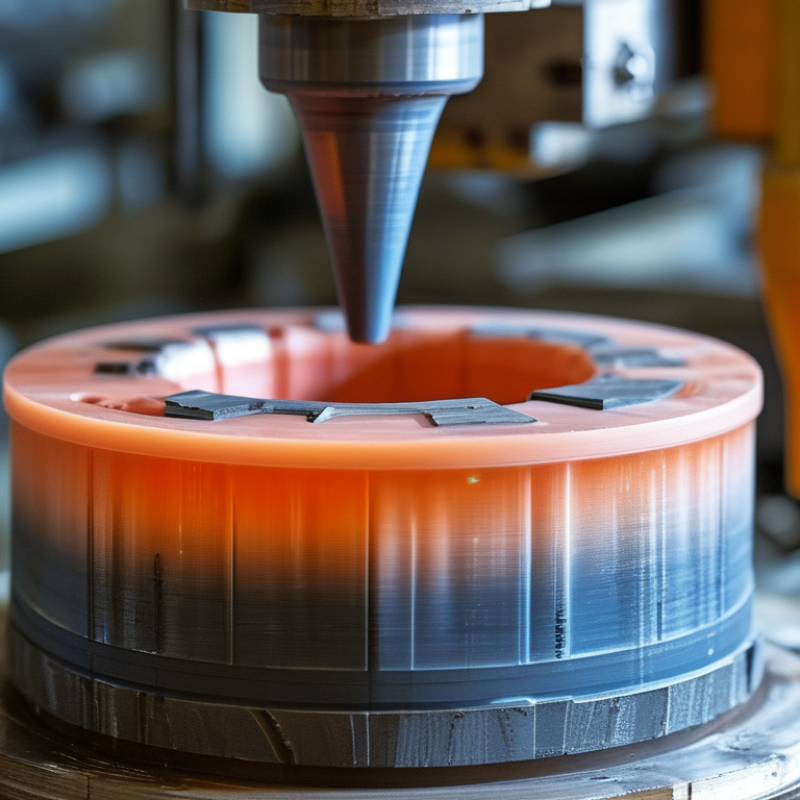
What is 3 Shot Injection Molding and Its Benefits?

What is 3 Shot Injection Molding?

3 Shot Injection Molding is a unique manufacturing process that allows for the production of complex parts. Unlike traditional methods, this technique merges three different materials into a single part. This enhances both functionality and aesthetics. According to industry reports, the market for multi-shot injection molding is expected to reach $7.4 billion by 2026. This growth indicates a rising demand for innovative manufacturing processes.

In 3 Shot Injection Molding, each shot involves a distinct material. The first shot typically forms the core, while subsequent shots build up layers that provide desired properties. This method not only streamlines production but also minimizes assembly time. A study by the Society of Plastics Engineers reveals that using this technique can reduce waste by up to 30%. However, designers need to carefully plan the material selection for each shot. Miscalculations can lead to compromised part integrity or production delays.

The process is revolutionary but not without challenges. Multi-material interactions can be unpredictable. Potential issues include poor adhesion between layers or inconsistent melting points. Researchers are continuously exploring ways to enhance compatibility and optimize the workflow. As industries evolve, the need for more reliable solutions in 3 Shot Injection Molding will grow. Constant reflection and improvement are necessary for the future of this technology.

The Process of 3 Shot Injection Molding Explained

Three-shot injection molding is an advanced technique that involves three distinct material injections to create complex parts. This process enhances design flexibility, allowing the integration of multiple materials into one component. In industries ranging from automotive to consumer goods, this technique has gained traction due to its ability to produce vibrant colors and varied textures in a single mold.

The process begins with injecting the first material, which establishes the core shape. The second material follows, often a different color or texture, which can improve aesthetics or functionality. Finally, a third material may be injected for specialized properties. According to a recent report from the Injection Molding Association, this method can reduce production time by up to 30%. It also minimizes assembly needs, thereby lowering costs.

Tips: Consider materials that bond well together to avoid delamination. Also, it’s crucial to assess the thermal properties of all three materials. Sometimes, improper material selection can lead to performance issues. This casts doubt on effectiveness, so testing is key. Balancing aesthetics and functionality remains a design challenge in this process.

Key Advantages of 3 Shot Injection Molding

3 Shot Injection Molding is a versatile manufacturing process that allows for the creation of multi-material parts. It combines three different materials in a single molding cycle. This technology is particularly beneficial for industries that require complex parts with various functional requirements.

One key advantage of this molding technique is material efficiency. By using multiple materials, manufacturers can reduce waste. This is vital in today's eco-conscious world. Additionally, the ability to use different materials can enhance product features. For example, soft and hard materials can be combined to create a better grip on a product.

Another significant benefit is the reduction in assembly time. Since multiple materials are formed in one cycle, fewer components are required. This leads to reduced labor costs and faster production times. However, mastering the process requires experience and careful planning. Some might find it challenging to achieve consistent results. Nevertheless, the potential rewards make it worth considering for advanced manufacturing applications.

Advantages of 3 Shot Injection Molding

This chart illustrates the key advantages of 3 Shot Injection Molding, highlighting aspects such as reduced material waste, faster production time, enhanced aesthetic quality, improved product durability, and design flexibility, each represented by percentages of significance.

Applications and Industries Utilizing 3 Shot Injection Molding

3 Shot Injection Molding is gaining traction in various industries due to its versatility. This process combines three different materials in one mold cycle. It creates complex, multi-material components with a single production step. Imagine a product featuring hard structural elements and soft, gripping surfaces. This technology makes that possible.

Industries like automotive, consumer electronics, and medical devices are adopting this molding technique. In automotive applications, it allows for lightweight parts that reduce overall vehicle weight. In electronics, it can provide protective casings with varied textures. Medical devices benefit from the ability to design handles that are both durable and comfortable.

However, this method isn't without challenges. The initial setup may be costly and time-consuming. The team must ensure precise alignment of materials. Quality control is crucial, as defects can arise from improper mixing. Yet, the benefits, such as reduced assembly time and improved functionality, often outweigh these concerns.

Comparing 3 Shot Injection Molding to Other Molding Techniques

Three-shot injection molding is a method that layers materials in a single cycle. This technique stands out compared to traditional methods like single-shot or two-shot injection molding. Each shot allows for different colors or materials to be injected. This results in complex components that are visually appealing. It is ideal for creating parts with varying properties in one go.

When comparing it to single-shot molding, three-shot injection molding offers enhanced versatility. Single-shot processes are limited to one material or color. This can result in a less dynamic final product. On the other hand, two-shot molding allows for two materials but still has limitations. With three-shot molding, manufacturers can combine multiple materials to achieve desired aesthetics and functionalities.

Challenges exist with three-shot injection molding. It requires precise control over timing and pressure. The complexity can lead to longer cycle times. Not all designs are suited for this method. Some may still benefit from simpler techniques. Evaluating specific project needs is essential to determine the best approach. Each molding method has its place in production scenarios.

What is 3 Shot Injection Molding and Its Benefits? - Comparing 3 Shot Injection Molding to Other Molding Techniques

Molding Technique Description Benefits Common Applications
3 Shot Injection Molding A process that combines three different materials into a single part through sequential injections. Enhanced aesthetic appearance, improved functionality, multi-material capabilities, and reduced assembly time. Consumer electronics, automotive parts, medical devices.
Single Shot Injection Molding The traditional method where a single material is injected to form a part. Simplicity, lower mold costs, faster cycle times. Simple plastic parts like bottle caps and containers.
Overmolding Involves molding a second layer of material over a previously molded part. Improved grip, additional functionality, and reduced assembly. Tools handles, grips, and various consumer products.
Blow Molding A method for forming hollow plastic parts by inflating a heated plastic tube. High production rates, suitable for hollow shapes, and lightweight construction. Bottles, containers, and drums.
Thermoforming Heating a plastic sheet until pliable and forming it into a mold. Cost-effective for large parts and prototyping, quick setup times. Packaging, trays, and automotive components.