2026 Best Used Bulldozer Buying Guide for Global Buyers?
As the demand for construction equipment continues to evolve, the Used Bulldozer market remains a critical focus for global buyers. According to a recent report by Industry Insights, the used bulldozer market is projected to grow by 4.5% annually. This growth reflects an increasing reliance on refurbishing existing machinery rather than investing in new models. Industry expert John Carter highlights, “Buying a used bulldozer can be a wise investment when you do your homework.”
Understanding the complexities of buying a used bulldozer is essential. Buyers often overlook factors such as machine condition, age, and maintenance history. These elements significantly impact overall performance and resale value. Proper evaluations can prevent unwise purchases, which may cost more in repairs than the initial price. An informed buyer might find a high-quality used dozer for less than the cost of a new machine.
While the market offers many options, not every used bulldozer is a good buy. It's crucial to analyze previous usage, inspection reports, and warranty options. As Carter advises, "Always inspect the machine personally or hire a trusted expert." This practice not only builds confidence but also enhances the reliability of your investment.
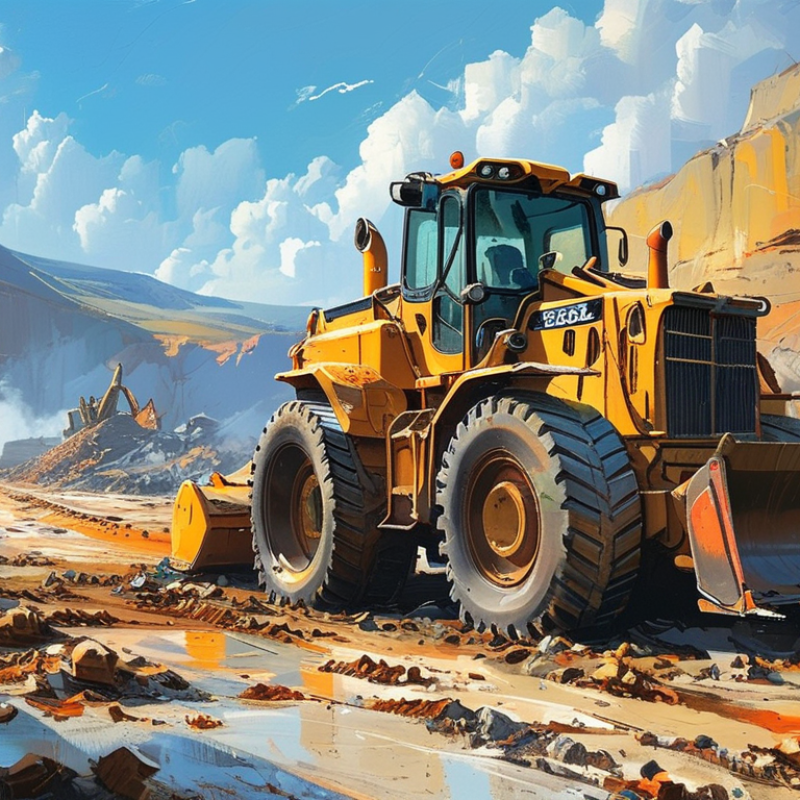
Factors to Consider When Buying a Used Bulldozer in 2026
When buying a used bulldozer in 2026, there are numerous factors to consider. One of the most important is the machine's operating hours. A well-maintained bulldozer with moderate hours might be a better investment than a model with fewer hours but poor maintenance records. Inspect the condition of the tracks and blade, as wear can indicate how the machine was used.
Tips: Always request maintenance records. They offer insights into any repairs done.
Another vital aspect is the type of work you plan to perform. Different projects require different features. Evaluate whether you need a bulldozer with attachments for specific tasks. The machine's age can impact its reliability and available parts, which is essential for maintenance.
Tips: Don't overlook the resale value. Some models depreciate faster than others, affecting long-term costs.
Finally, examine the service history. Look for signs of damage or repairs. A thorough inspection can reveal hidden issues. Remember, spending time upfront can save you money later on.
Understanding Different Types of Bulldozers and Their Uses
When exploring the types of bulldozers, understanding their specific uses is crucial. There are primarily three categories: standard bulldozers, swamp bulldozers, and special application bulldozers. Standard bulldozers are common on construction sites, ideal for earthmoving tasks. Swamp bulldozers navigate wetlands, often featuring tracks for better stability. Special application bulldozers come with unique modifications for tasks like snow removal or mining operations.
Statistics from industry reports suggest that the construction sector accounts for over 50% of bulldozer usage worldwide. This highlights the importance of selecting the right type of bulldozer based on project needs. Operators should be aware that terrain conditions and project requirements greatly influence this decision. For instance, using a standard bulldozer in swampy areas may lead to operational challenges.
Tips: Before purchasing, evaluate your project's environment. Consider the weight distribution and track type for optimal performance. Additionally, always review the machine's maintenance history, as this can impact overall productivity. A machine with a solid track record may be more reliable, although it might show signs of wear that need consideration. Recognize that not all bulldozers are suitable for every job, and ensuring the right fit can save costs and time.
Evaluating the Condition and Maintenance History of Used Bulldozers
When considering a used bulldozer, examining its condition and maintenance history is crucial. According to industry reports, nearly 40% of heavy equipment failures stem from inadequate maintenance. A well-documented service record can indicate a bulldozer's reliability. Look for regular oil changes, filter replacements, and hydraulic fluid checks. Each of these elements can significantly impact performance.
Inspecting the physical condition is equally important. Check for signs of wear on tracks and undercarriage. A bulldozer with excessive wear may require costly repairs soon after purchase. Reports suggest that up to 30% of used bulldozers have undisclosed defects. Taking time to assess these factors can save buyers from unexpected expenses. A thorough inspection often reveals hidden issues that can affect operational efficiency and safety.
Lastly, it’s wise to consult with experienced mechanics when evaluating used equipment. Their insights can provide a clearer picture of potential problems. Engaging professionals may highlight overlooked maintenance aspects. As the market for used bulldozers evolves, understanding their condition is key for informed buying decisions. Investing time in research and inspections pays off in the long run, minimizing risks associated with used equipment.
Comparing Prices: How to Assess Fair Market Value for Used Bulldozers
When buying a used bulldozer, understanding fair market value is essential. Various factors can influence pricing. Age, condition, and hours of use drive the cost up or down. A well-maintained bulldozer with lower hours generally demands a higher price. A machine with signs of wear might look less appealing but could be a worthwhile investment if priced correctly.
Inspecting multiple listings can help gauge the going rate for similar models. Examine the equipment thoroughly before making an offer. Don't shy away from asking questions about maintenance history or previous work done. Sometimes, sellers may inflate prices based on perceived value. Use online resources and forums to find out what others paid for similar machines.
Having realistic expectations can protect your budget. Even if the price appears fair, compare similar models to ensure you're not overpaying. A lower price can suggest hidden issues requiring expensive repairs later. These decisions should weigh heavily during the buying process. Always remember, it's okay to walk away if a deal feels off.
2026 Best Used Bulldozer Price Comparison
This chart displays the average market prices of various used bulldozer models. The prices can vary based on condition, location, and year of manufacture, helping potential buyers assess fair value.
Best Resources and Platforms for Purchasing Used Bulldozers Globally
When purchasing used bulldozers, choosing the right platform is essential. Look for reputable online marketplaces that specialize in heavy machinery. These platforms often provide detailed listings and user reviews. Check for verified sellers to ensure reliability. Avoid platforms with limited transparency.
Research is crucial. Reach out to industry forums or groups where experienced buyers share their insights. Personal experiences often highlight the pros and cons of specific sellers. This can save you money and time.
Tip: Always request a history report for any machine you consider. Understanding its past usage can prevent unexpected issues. Also, inspect the machine in person, if possible. Visual inspection can reveal potential problems not mentioned in listings. Keep in mind that even reputable sellers can have machinery with hidden flaws.