2026 Best Stainless Hex Nuts What You Need to Know?
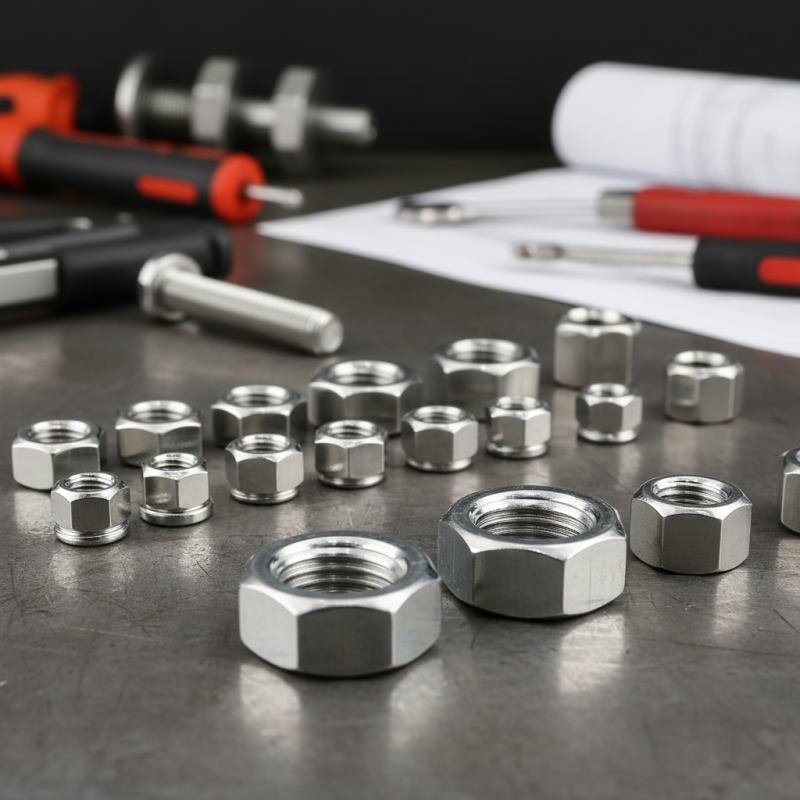
When it comes to durable fasteners, Stainless Hex Nuts stand out in 2026. These nuts are made of high-quality stainless steel, providing corrosion resistance and strength. They are essential in various applications, from construction to automotive use.
Choosing the right Stainless Hex Nuts can be challenging. Factors like size, threading, and material grade matter. It’s easy to overlook these details, yet they are crucial to ensuring longevity and performance. Some users sometimes buy without considering compatibility.
Understanding the specifications of Stainless Hex Nuts is vital. Each project requires specific types for optimal results. Whether you are a professional or a DIY enthusiast, being informed can save time and reduce potential headaches. Engaging with this guide will help you navigate your options better.
Understanding Stainless Steel Hex Nuts: An Overview
Stainless steel hex nuts are essential components in many applications. They provide strength and durability. Made from corrosion-resistant material, they can withstand harsh environments. This feature makes them ideal for outdoor and industrial use. Their hexagonal shape allows for easy tightening with a wrench, ensuring secure connections.
When choosing hex nuts, pay attention to specifications. The grade of stainless steel affects strength and corrosion resistance. Options like A2 or A4 indicate different properties. Some users overlook the importance of these grades, which can lead to premature failures. Smaller sizes can also be easily overlooked, yet they play critical roles in various projects.
Installation requires care. Threads must align perfectly to avoid stripping. Users often rush through this step, resulting in poor connections. Additionally, securing nuts with proper torque is crucial. Too tight can damage components; too loose can lead to vibrations. Understanding these details can improve the overall performance of your assembly.
2026 Best Stainless Hex Nuts Performance Comparison
Types of Stainless Steel Hex Nuts and Their Applications
When it comes to stainless steel hex nuts, several types cater to different applications. The most common types include A2, A4, and A5 stainless steel. A2 stainless steel nuts are widely used for their excellent corrosion resistance. They are ideal for applications in humid environments. A4 nuts are tougher than A2. They are suitable for marine applications due to their high resistance to chloride corrosion. A5 is less common but serves well in high-temperature environments.
Proper selection of hex nuts depends on their intended use. For example, high-strength applications require grade 8 nuts. On the other hand, standard applications only need lower grades. Industry reports suggest that improper selection accounts for a significant percentage of mechanical failures. Many manufacturers report up to 30% of failures arise from using incorrect fasteners. This highlights the importance of choosing the right type of nut.
Tip: Always consult technical data sheets to verify specifications. Pay close attention to torque recommendations during installation. Undercutting the torque can lead to issues. Not considering environmental factors can also result in rapid degradation of the nuts. Remember that not all stainless steel is created equal.
Key Features to Look for in Quality Stainless Steel Hex Nuts
When selecting stainless steel hex nuts, several key features should guide your choice. The material composition plays a crucial role. High-quality stainless steel is resistant to corrosion and rust. Look for nuts made from 304 or 316 stainless steel for best durability. These grades withstand harsh environments and maintain strength over time.
Thread design matters significantly. Clean and precise threading ensures a snug fit. This prevents loosening during use, which is especially important in applications with vibration. Additionally, the finish of the nut can affect performance. A smooth, well-finished surface reduces friction and enhances longevity.
It’s worth considering the size and standardization. Not all hex nuts fit every project smoothly. Often, mismatched sizes lead to frustration and potential failure. Be mindful of these details to avoid common mistakes. Sometimes, the most minor oversight can result in significant issues down the line.
How to Properly Select and Use Stainless Steel Hex Nuts
Selecting the right stainless steel hex nuts requires careful consideration. Stainless steel offers excellent corrosion resistance, which is critical in many applications. Research indicates that about 70% of fastener failures are due to improper selection. This is a significant concern for industries relying on durability.
When choosing hex nuts, pay attention to grades such as 304 and 316 stainless steel. Grade 304 is often used for general applications, while grade 316 is better for marine environments due to its enhanced resistance to pitting and crevice corrosion. Not all nuts are created equal. Look for ones that meet ANSI or ISO standards for consistency.
Proper installation is as important as selection. Over-tightening can lead to thread stripping. It's also essential to ensure compatibility with the bolts being used. Mismatched materials can weaken connections. Always account for the environment and load conditions. Regular inspections can highlight wear or corrosion, but many overlook this.
2026 Best Stainless Hex Nuts - What You Need to Know?
| Material Grade | Corrosion Resistance | Tensile Strength (ksi) | Finish | Applications |
| A2 (304) | Good | 70 | Plain | General purpose, food industry |
| A4 (316) | Excellent | 80 | Passivated | Marine environments, chemical processing |
| B8 (304) | Good | 75 | Plain | Bolt applications, structural |
| B8M (316) | Excellent | 90 | Passivated | High-stress environments, offshore rigs |
Maintenance Tips for Longevity of Stainless Steel Hex Nuts
Stainless steel hex nuts are known for their durability and resistance to corrosion. However, even the toughest materials need maintenance. Regularly check the nuts for signs of wear or rust. Clean them with a soft cloth to remove dirt and grime. This simple act can extend their life.
Tip 1: Use a protective coating. A light layer of oil can help prevent moisture buildup. It’s easy and effective. Just make sure to reapply it regularly.
Tip 2: Store hex nuts in a cool, dry place. Humidity can cause corrosion over time. Consider using silica gel packets in storage areas. They absorb moisture and keep nuts dry.
It's crucial to replace any damaged nuts immediately. Worn out nuts can lead to bigger issues. Remember, a small problem now can become a significant one later. Monitoring their condition is vital.