2026 Top Automatic Fire Shutter Benefits and Features Explained?
In the ever-evolving landscape of building safety, the role of the Automatic Fire Shutter cannot be overlooked. This essential device serves as a vital barrier against the spread of fire and smoke. It enhances the protection of life and property. When installed correctly, these shutters offer rapid deployment and reliable performance. They respond to fire alarms, closing swiftly to contain hazards.
However, not all Automatic Fire Shutters are created equal. Features vary widely across different models. Some may include sensors that detect heat, while others may have sophisticated control systems. Understanding these differences is crucial for making an informed choice. Buyers should consider the specific needs of their buildings.
The benefits of these shutters extend beyond basic fire safety. They can reduce smoke damage, decrease insurance costs, and improve overall safety compliance. Yet, it is important to reflect on a few challenges. Regular maintenance is necessary to ensure optimal functionality. Without proper care, even the best shutters may fail when needed most. Therefore, investing in quality and maintenance can make a significant difference.
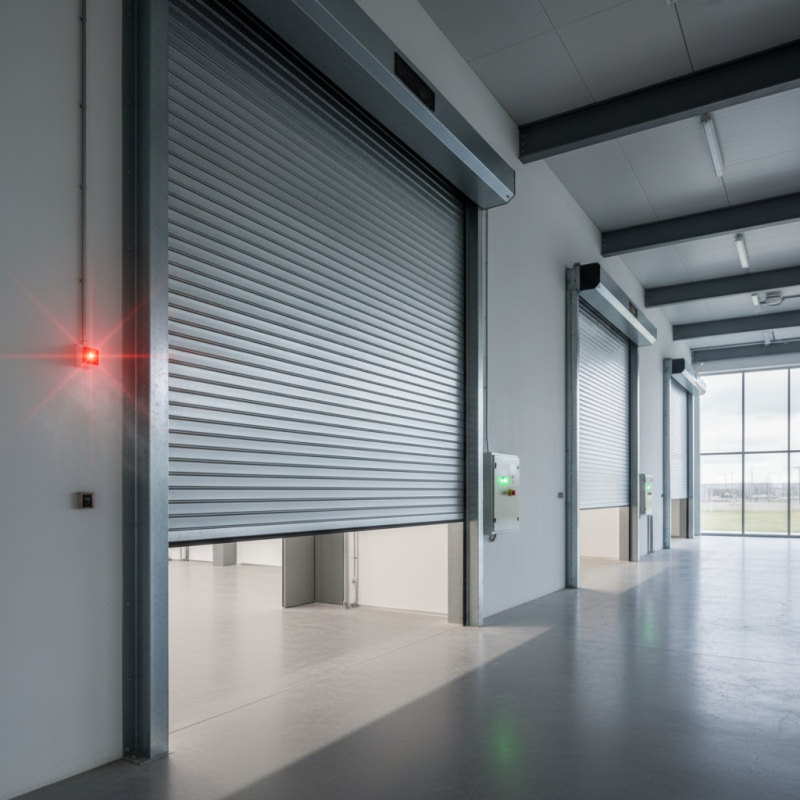
Overview of Automatic Fire Shutters and Their Importance in Safety
Automatic fire shutters play a crucial role in enhancing safety within various structures. These devices are designed to close automatically in the event of a fire, effectively containing smoke and flames. According to the National Fire Protection Association, early fire containment can reduce fire damage by up to 80%. This statistic underscores the importance of having reliable fire safety measures in place.
In high-rise buildings, the value of automatic fire shutters is even more pronounced. A report by the U.S. Fire Administration highlights that, during fires in multi-story buildings, smoke is often the leading cause of injury. Fire shutters help to create safe zones for occupants, allowing time for evacuation. Additionally, the fire shutters are engineered to withstand high temperatures, typically rated for 1-2 hours of fire resistance. This provides essential protection while reinforcing structural integrity.
However, the effectiveness of these systems depends on proper maintenance and installation. Regular inspections are critical, as malfunctioning shutters can lead to serious consequences during emergencies. While the technology is reliable, no system is foolproof. Awareness and education about fire safety must accompany these protective features. Inadequate training can hinder the overall response during a fire event. Hence, understanding and implementing safety protocols is just as vital as the systems themselves.
Key Benefits of Implementing Automatic Fire Shutters in Commercial Spaces
Automatic fire shutters are essential for commercial spaces. They provide a reliable barrier against the spread of smoke and flames. According to a recent industry report, buildings equipped with fire shutters have a 20% greater chance of containing a fire. This capability minimizes damage and protects lives.
One key benefit of these shutters is their automation. They can close automatically when a fire is detected. This reduces the need for human intervention. In emergencies, every second counts. A well-implemented fire shutter system can buy valuable time for evacuation. Research shows that quicker access to exits can save lives during a fire.
Tips for selecting the right fire shutter include checking for certifications. Look for products that meet local fire safety standards. Also, ensure regular maintenance. An overlooked shutter may fail when needed the most. In some cases, businesses underestimate this risk. Regular training for staff on emergency procedures is also crucial. Awareness can make a significant difference.
Investment in quality fire shutters is a smart decision. They enhance overall safety and compliance. While some may see it as an additional cost, consider the potential losses from fire damage. It’s worth contemplating the trade-off between safety and expenses. Fire prevention should always be a priority.
2026 Top Automatic Fire Shutter Benefits and Features Explained
| Feature | Description | Benefit | Commercial Spaces Applicable |
| Automatic Closure | The shutters close automatically when fire is detected. | Increases safety by containing fire and smoke. | Shopping Malls, Warehouses |
| Fire Resistance | Constructed with fire-rated materials that withstand high temperatures. | Protects property and life by preventing fire spread. | Factories, Airports |
| Ease of Integration | Can be easily integrated into existing building systems. | Cost-effective installation and upgrade options. | Office Buildings, Libraries |
| Remote Monitoring | Monitors fire shutter status remotely using IoT technology. | Provides instant alerts to management for quick action. | Data Centers, High-Rise Buildings |
| Customizable Options | Available in various sizes and colors to match building aesthetics. | Enhances the appearance of commercial spaces while ensuring safety. | Restaurants, Retail Stores |
Technical Features of 2026 Automatic Fire Shutters Explained
Automatic fire shutters are crucial for enhancing safety in various buildings. These shutters automatically close in the event of a fire, creating a barrier to slow down the spread of flames and smoke. They are engineered with sensors that detect heat and smoke presence. When activated, they respond quickly, often within seconds.
One noteworthy technical feature of modern fire shutters is their use of advanced materials. They can withstand high temperatures and still function effectively. These materials are designed to provide insulation and reduce heat transfer. Additionally, many fire shutters come equipped with manual override options. This allows for human control if needed. Maintenance is also critical. Regular checks can reveal wear and ensure the shutters operate correctly.
Yet, despite their benefits, not all installations work flawlessly. Some systems may fail due to poor maintenance or installation issues. Proper training for staff is essential to understand the system's limitations. The balance between technology and human oversight is crucial for optimal safety. Investing in high-quality fire shutters is important but requires careful consideration of upkeep and training.
Industry Standards and Compliance for Fire Shutter Systems in 2026
In 2026, fire shutter systems must adhere to stringent industry standards. These standards are essential for ensuring safety and reliability. Compliance with local codes is not just a recommendation; it is a requirement. Fire shutters protect openings, preventing smoke and flames from spreading. This critical role means that every installation should meet and surpass these set guidelines.
Regular testing and maintenance are necessary. Many facilities overlook this aspect, leading to potential hazards. The materials used in fire shutters must be fire-rated and durable. Yet, some might choose cheaper alternatives, compromising safety. Awareness of certification from recognized organizations is key. It helps to ensure the product's effectiveness in emergencies.
Furthermore, training staff on how to operate these systems is vital. In critical moments, hesitation can cost lives. Communication about the fire shutter’s functionality often gets ignored in planning. Regular drills can bridge this gap, keeping everyone prepared. Compliance is not a one-time checklist; it demands continuous effort.
2026 Top Automatic Fire Shutter Benefits and Features
Market Trends and Innovations in Automatic Fire Shutter Technology
The automatic fire shutter market is evolving rapidly. Recent reports indicate a shift toward more innovative technologies. By 2026, experts project the global market for automatic fire shutters will reach $1.2 billion. This growth is driven by increasing fire safety regulations and demand for efficient building designs.
One key trend is the integration of smart technology. Automatic fire shutters now come with sensors that detect smoke and heat. This innovation allows for faster response times during emergencies. Additionally, many models are equipped with remote monitoring features. This provides real-time data to building managers, improving overall safety.
However, challenges remain. Installation costs can be high, which may deter some building owners. Moreover, not all buildings are suitable for these systems. A lack of awareness about their benefits can also hinder adoption. More education in the industry is needed to address these gaps. Increased collaboration between manufacturers and regulatory bodies may help overcome these barriers, making advanced fire safety solutions more accessible.